
You've probably heard that any puddle under a vehicle means trouble. Here's what the data actually shows. If you're asking **why is there a water puddle under my car**, the most common answer is completely normal air-conditioner condensation. That said, not every clear-looking puddle is harmless, and this is where a little observation beats guesswork. The location of the puddle, the color, the smell, and whether the A/C was running tell you far more than panic does. In the garage, I treat any mystery fluid like a diagnosis problem: identify the system first, then decide whether you have a routine condition or a repair waiting to happen.
The most common cause: A/C condensation
On most cars, a small puddle of water after driving in warm or humid weather is just the evaporator drain doing its job. Your air-conditioning system pulls moisture out of cabin air as it cools it. That moisture condenses on the evaporator core, then exits through a drain tube and lands on the ground. In Oklahoma humidity, I've seen this create a surprisingly healthy puddle after a grocery run, especially if the vehicle sat idling with the A/C on full blast.
The clues are usually straightforward. The liquid is clear, thin like plain water, and it shows up near the passenger side firewall on many vehicles, though exact location varies by model. It usually appears after the A/C has been running, not after the car has been parked cold overnight in dry weather. If the puddle dries without leaving an oily film or colored residue, that points even more strongly toward condensation.
A normal condensation puddle does not change engine oil level, coolant level, or brake feel. If all your gauges look normal and there is no sweet smell, slick texture, or colored stain, the answer to **why is there a water puddle under my car** is often the least dramatic one.

When it is not just water
This is where people get tripped up. Many automotive fluids can look watery at first glance, especially on dark pavement. Engine coolant, for example, can be clear-ish when diluted or hard to see under low light. Washer fluid can also mimic water, although it often has a dye color and a more chemical smell. The fix is to inspect before assuming.
Start with a white paper towel or cardboard. Dab a small amount from the puddle. Real water leaves almost nothing behind after it evaporates. Coolant often leaves a slightly slippery feel and may smell sweet. Washer fluid may smell like alcohol or detergent. If the fluid feels oily, it is not water. If it has green, orange, pink, blue, or yellow tint, think coolant or washer fluid rather than condensation.
Also check timing and location. A puddle directly under the radiator area, water pump area, or beneath a coolant hose deserves more attention than one under the A/C drain zone. If the engine has been overheating, the heater output has changed, or the coolant reservoir level is dropping, stop calling it water until proven otherwise.
Science Corner: why condensation happens at all
Science Corner: Air always contains some amount of water vapor. When warm, humid cabin air passes over the cold evaporator core, the temperature of that air drops below its dew point. At that moment, vapor becomes liquid water on the metal fins, much like a cold drink sweating on a summer day. The drain tube exists because the system is expected to make water.
This matters because the size of the puddle depends on conditions. High humidity, long idle time, and low evaporator temperature can produce more condensate. So can a road trip with the A/C running constantly. In other words, a larger puddle is not automatically a bigger problem. It can simply mean the system removed more moisture from the air.
If you remember one number from this post, make it this one: water has essentially no lubricity compared with oil or coolant mixtures. That means a truly watery puddle that evaporates clean is usually exactly what it appears to be. Read the spec, not the bottle also applies here in spirit: identify the physical properties, not your first fear.
Other harmless sources of water under a car
A/C condensation is the usual suspect, but it is not the only harmless one. Exhaust systems also produce water as a natural byproduct of combustion. On a cold start, especially in cool weather, water can drip from the tailpipe and collect under the rear of the car. Short trips make this more noticeable because the exhaust may never get hot enough to fully evaporate that moisture.
Rainwater can also collect in body channels, splash shields, and undertrays, then drip out later after you park. Sunroof drains and cowl drains sometimes release water in a way that looks suspicious if you did not drive through rain recently. Hybrid vehicles and efficient engines can make owners extra alert to unfamiliar puddles simply because the car runs quietly and the drips are easier to notice.
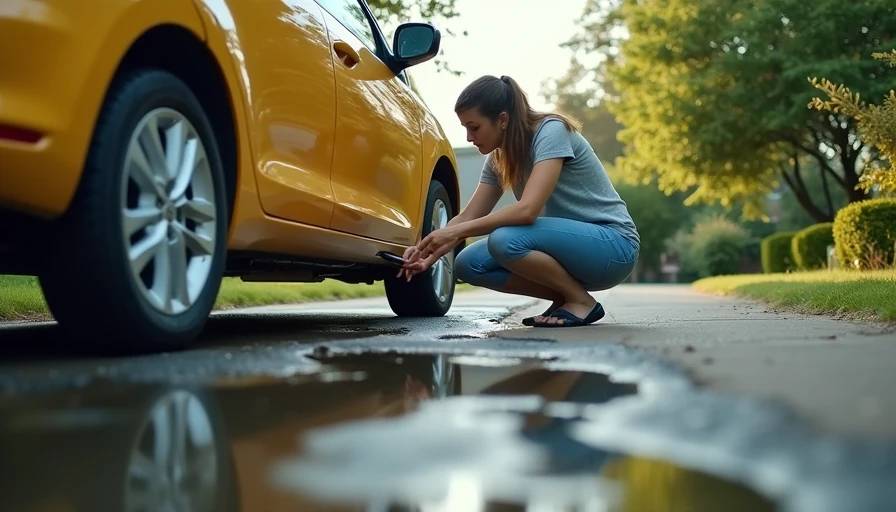
So if you're still wondering **why is there a water puddle under my car**, remember to match the puddle to recent conditions. Did you run the A/C? Was it humid? Did it rain? Did you just cold-start the car? Context often solves the mystery before a wrench ever comes out.
When to worry and what to check next
A few signs mean you should stop treating the puddle as normal. If the fluid has color, feels slick, smells sweet or chemical, or keeps appearing with the A/C off, investigate further. If the engine temperature rises above normal, the coolant reservoir drops, or you see steam, that is no longer a watch-and-wait situation. The same goes for wet carpet inside the passenger compartment, which can point to a clogged evaporator drain sending condensate into the cabin instead of outside.
Your quick checklist is simple. Check coolant reservoir level when the engine is cool. Look under the passenger-side firewall for an active A/C drain drip after running the climate control. Inspect the ground location relative to the radiator, hoses, and water pump area. Smell the fluid carefully and use a white towel to check residue. If the answer to **why is there a water puddle under my car** still is not obvious, a shop can pressure-test the cooling system quickly.
In plain terms: clear, odorless water after A/C use is usually normal. Colored, slippery, or sweet-smelling fluid is not. Start with those facts, and you'll solve most puddle questions without chasing myths.