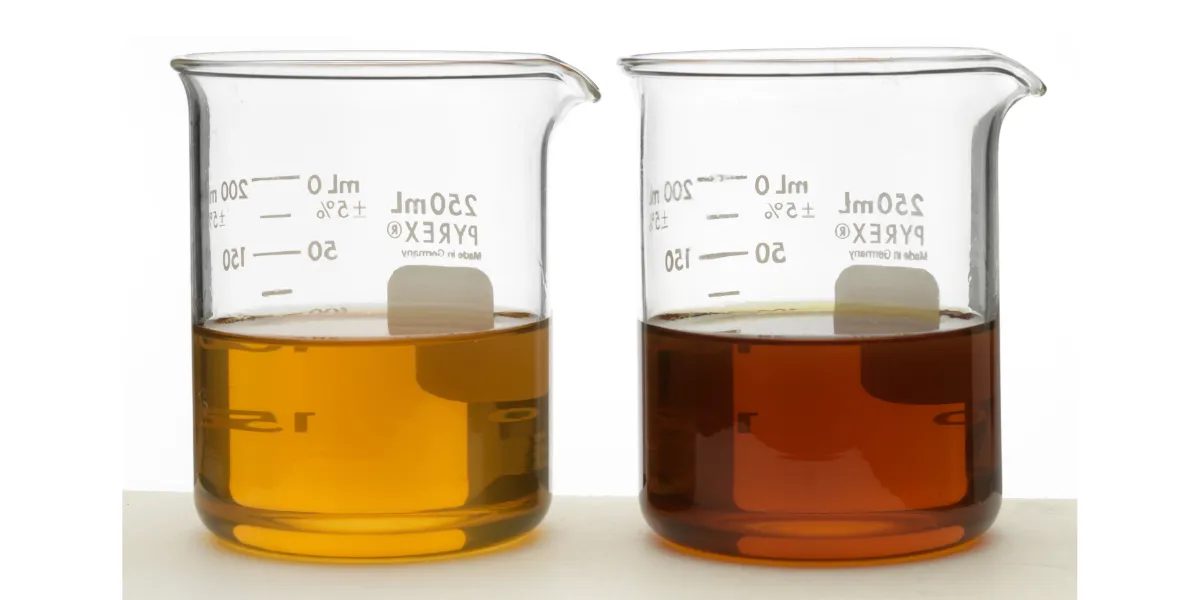
Motor oil contamination stems from a variety of sources. Among them are leaks originating from oil storage tanks or pipelines. The improper disposal of oil-based products represents another frequent contributor to engine oil contamination. Any of these factors can trigger unforeseen equipment performance issues and mechanical breakdowns.
Preventing oil contamination relies heavily on proper lubricant and machinery maintenance. This means adhering to best practices for engine oil storage, dispensing, filtering, and monitoring at every stage.
This concise guide covers the most widespread forms of motor oil contamination and the approaches available to address them.
Over time, engine oil contamination degrades the oil's lubrication and protective capabilities. This deterioration is highly harmful to machinery, potentially leading to equipment failure and even catastrophic machine breakdowns.
The downstream effects include unplanned downtime, expensive machinery repairs, and damage to a company's reputation when deadlines cannot be met.
Oil contamination falls into two broad categories: internal and external.
True to its name, external contamination arises from outside sources — dirt, dust, water, and cross-contamination among the most notable.
Improper storage of lubricants and equipment significantly elevates the risk of external contamination. Environments characterized by high humidity, sharp temperature swings, or airborne dirt and dust can compromise oil cleanliness, providing pathways for external contaminants to infiltrate machinery.
Cross-contamination typically results from funnels or dispensing bottles that have not been adequately cleaned. It can also arise when users switch engine oil types or brands without first flushing the oil tank. Under these circumstances, incompatible oils react with one another, producing gunk that may block engine passages and cause serious damage.
Internal oil contamination can stem from several sources, including surface degradation, normal engine operation, and the gradual depletion of additives. These contaminants are a byproduct of the machine's own functioning and, regrettably, cannot be eliminated entirely.
That said, tracking contamination levels and maintaining a regular oil change schedule can limit contaminant buildup and protect machinery from harm.
The four most prevalent categories of oil contaminants are abrasives, water, fuel, and coolants.
Abrasive contaminants encompass dust, dirt, and metallic particles generated by engine wear. These particles can infiltrate the oil at multiple points during transport, storage, and dispensing.
Air cleaner and ventilation system design limitations allow these particles to enter the engine during normal operation.
Continuous engine wear generates microscopic metal particles that accumulate in the oil and travel through the entire engine. When combined with road debris and dirt, wear rates intensify. This produces additional abrasive metal particles capable of migrating through the engine before eventually being captured by the filter.
Water ranks as the second most common source of oil contamination on average.
Steam is a natural byproduct of the engine combustion process. At elevated temperatures, the majority of this water remains as vapor and exits through the exhaust system. When engine temperatures drop — such as during cold-weather short trips or initial startup — that vapor condenses on cylinder walls and drains into the oil pan, leading to sludge formation and corrosion.
Fuel contamination occurs when fuel infiltrates the oil supply, thinning it and reducing both its viscosity and protective qualities.
During engine operation, fuel can leak past the piston rings and mix with the oil in the crankcase — a phenomenon known as fuel dilution. This issue is especially prevalent in engines equipped with direct fuel injection systems.
A drop in oil viscosity caused by fuel dilution disrupts the oil film and accelerates oil consumption. It also promotes the formation of sludge and varnish deposits, which can damage the engine and necessitate more frequent oil changes.
Although every type of motor oil will eventually become contaminated and require replacement, selecting a high-quality synthetic oil remains essential. Valvoline's synthetic engine oils — including SynPower Premium — deliver extended superior protection thanks to their premium base oils and carefully engineered additive packages.
Coolant contamination, most often the result of a blown head gasket, reduces oil viscosity and transforms the oil into sludge, inflicting damage on engine components. It generally signals the presence of more serious underlying engine problems that demand immediate attention.
Addressing oil contamination requires a comprehensive approach encompassing proper storage, dispensing, filtering, and ongoing monitoring of lubricants.
Selecting high-quality lubricants formulated to resist contamination is one important strategy, but it is not sufficient on its own. Fleet and machinery operators must also commit to regular lubricant analysis programs.
Routine oil analysis forms a cornerstone of any effective lubrication management program. It enables the identification of contaminants and informs necessary adjustments to maintenance plans, including dispatching oil samples to a laboratory for detailed contamination data.
Unsure how to get started? Valvoline offers a comprehensive Fluid Analysis Program to guide you through the process.
Engine oil contamination arises from numerous internal and external sources alike. Abrasive contamination, water contamination, fuel contamination, and coolant contamination represent just a portion of what machinery faces. Left unchecked, these contaminants can cause severe equipment damage and failures, translating into unplanned downtime and escalating repair expenses.
Consistent lubricant maintenance is one of the most reliable strategies for minimizing and preventing motor oil contamination. Always select premium-quality products engineered to withstand contamination challenges.
Explore Valvoline's full range of premium mineral and synthetic engine oils to find the right fit. If you need guidance, our Lubricant Advisor is available to assist, or reach out directly to your nearest Valvoline distributor.