Every Valvoline customer and reader understands that an engine simply cannot function without adequate oil. Motor oil serves multiple critical roles: it minimizes friction between moving components, shields engine parts from corrosion, and draws heat away from the system. Over time, however, oil breaks down and becomes less effective — oxidation being the primary culprit. Here we explore the fundamentals of oxidation, its consequences for engine oil, and why machine and vehicle owners must grasp this essential process.
Oxidation is an extremely widespread chemical reaction that takes place whenever materials come into contact with oxygen. Though most people associate this reaction with rusting metal, many other substances are susceptible to oxidation as well — motor oil among them.
The mechanics of oxidation are straightforward. The reaction drives electron transfer, which alters the molecular structure of the affected substance. Metal, for example, can weaken and turn brittle, while food can spoil or develop off flavors. Given how widely oxidation occurs and how many materials and chemicals it affects — including the engine oil powering our vehicles — understanding it is genuinely important.
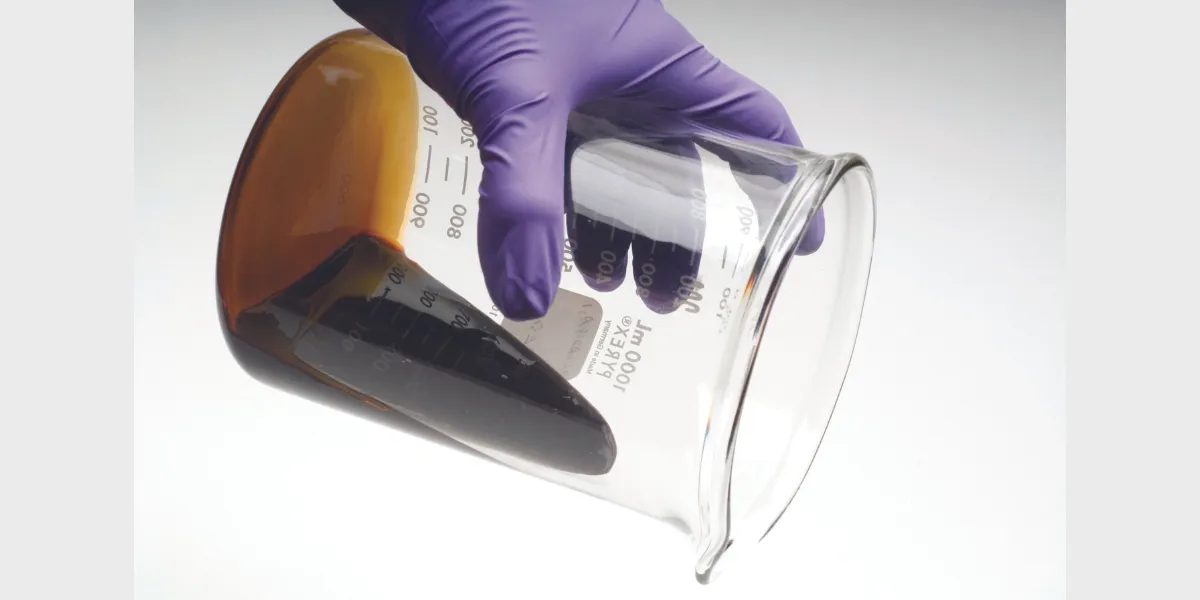
As engine oil oxidizes, it thickens and becomes less fluid due to viscosity changes. This shift in consistency can dramatically impair the oil's ability to flow freely through the engine, resulting in inadequate lubrication of moving components. The engine then endures greater wear and tear, which may shorten its service life. As oxidation progresses, it also generates harmful byproducts such as sludge, varnish, and acidic compounds.
Diminished lubrication causes engine temperatures to climb, which in turn accelerates further oxidation — a self-reinforcing cycle. Left unchecked over time, oxidation can lead to more frequent servicing needs, declining fuel efficiency, and, at its most severe, complete engine failure.
Engine oil oxidation does not proceed at a uniform rate or intensity; multiple factors each influence how quickly the oil breaks down. Vehicle owners who are familiar with these variables are better positioned to optimize their maintenance schedules.
Although oxidation of engine oil is inevitable, vehicle owners and operators have several practical strategies available to slow its progression and minimize its effects.
The simplest and most effective defense against oil oxidation is changing the oil before significant degradation sets in. Adhering to the manufacturer's recommended oil change intervals — or opting for more frequent changes under demanding operating conditions — ensures the engine always has fresh oil circulating with its full protective properties intact.
Premium engine oils are often formulated with specialized additives, including antioxidants that actively work against oxidation. These additives extend the oil's service life by neutralizing the chemicals inside the oil that promote oxidative reactions. Synthetic oils, in particular, deliver superior oxidation resistance compared to their conventional counterparts.
The storage environment matters whether oil is sitting in a container or already inside an engine. Keeping oil in a cool, dry place away from direct sunlight helps reduce premature oxidation.
Replacing worn components, servicing or swapping out clogged filters, and addressing any issues that could contribute to overheating all support better oil longevity.
Routinely monitoring oil condition — its color, texture, and odor — can expose early warning signs of oxidation. Some vehicle owners also elect to conduct periodic fluid analysis, which offers a detailed assessment of oil quality and can identify oxidation indicators before they become serious problems.
Even though oil oxidation is a natural occurrence, we should take every reasonable step to slow it down and extend both the lifespan and performance of our lubricants. Now that you understand how oxidation works and how to make informed, proactive choices with Valvoline engine oil, you are equipped to fight its damaging effects and keep your oils and engines performing as dependably as possible.