Prevent a $4,000 Seizure: How to Spot Low Oil, Read the Warning Light, and Save Your Engine
You've probably heard that as long as the oil light stays off, your engine is running happy. Here's what the data actually shows: the dashboard lamp is often the last line of defense, not the first. By the time that lamp glows, you might already be minutes away from a turbo failure or a seized block. Let me show you what actually happens inside your engine when lubrication drops, and how to catch it before the bill hits four figures.
Why This Matters
Your engine isn't just a block of metal; it's a system of tight tolerances where oil is the only thing keeping parts from welding themselves together. According to maintenance data from Repsol, low oil levels are a primary cause of preventable catastrophies. We're talking about cracks in your turbocharger, damaged cams or valves, and issues that choke your diesel particulate filter (DPF). Worst case? The "engine flu." That's shop talk for when friction generates so much heat that metal parts fuse together, resulting in a total seizure. Checking your oil isn't maintenance; it's insurance against a rebuild that costs more than the car.
> Science Corner: The Physics of Friction
> Oil creates a hydrodynamic film between moving parts. When the level drops, that film can't bridge the gap. Metal contacts metal. The coefficient of friction spikes, generating localized heat that can exceed 1,000°F in seconds. This thermal runaway softens the metal, causing cams to spall, turbo bearings to weld, and in severe cases, piston rings to fuse to the cylinder walls.
What You Need to Know
You don't need a lab to protect your engine, but you do need the right tools and specs.
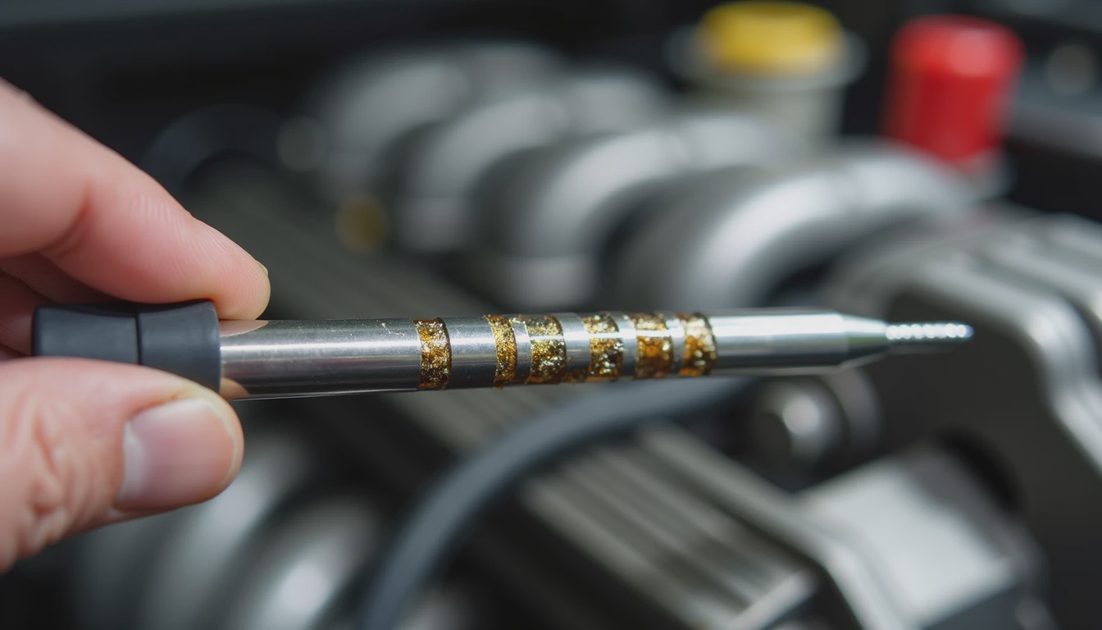
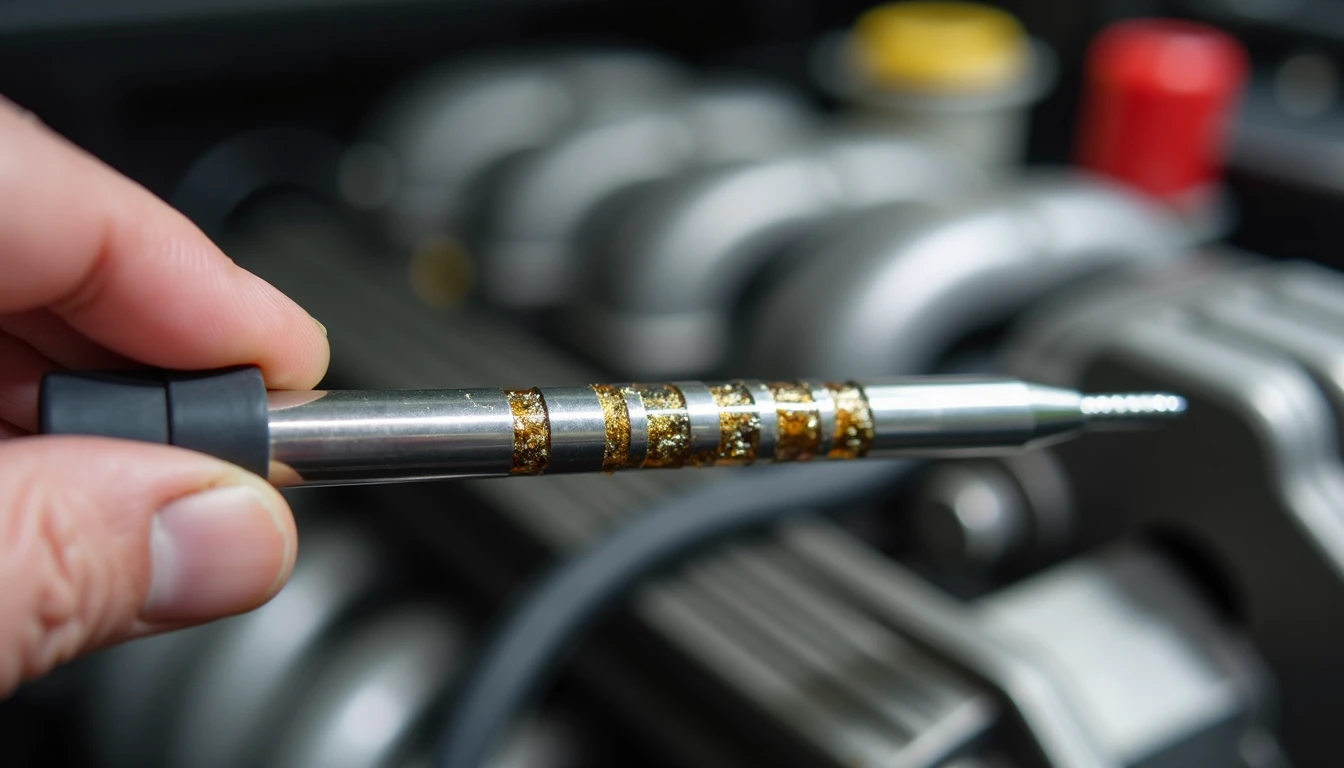
- The Tool: Your dipstick. This is the only accurate way to measure volume. Visual guesses under the hood don't count.
- The Spec: The source emphasizes using the "recommended lubricant" to the "correct level specified in the manual." This means your vehicle's maintenance manual is the authority. It defines the viscosity grade and performance specifications your engine requires. Using a random bottle can harm modern components like DPFs or turbo seals.
- The Check: You must check whether the level is high or low. Both extremes cause problems.
> Pro Tip: If you suspect a leak and smell burning oil, wait for the engine to cool down before checking the dipstick. Hot oil expands and can give a falsely high reading, and more importantly, you don't want hot oil spraying on your hands when you pull the stick.
How It Works: Three Warning Signs
Your car talks to you. You just need to know the dialect. Here is how to interpret the data:
1. The Dashboard Lamp
Look for the oil lamp shape on your cluster. If it illuminates, the pressure is critically low.
- Action: Top off immediately with the recommended lubricant to the correct level. Do not ignore this. The manual specifies the level for a reason; running outside that range risks the damage mentioned above.
2. The Burnt Odor
If you smell burning oil inside the cabin, stop what you're doing.
- Action: Stop the car immediately and turn off the engine. This odor usually indicates a leak where oil is trickling onto hot exhaust components. The source is explicit: "Do not use the car." Driving further can result in a major engine failure. Once cooled, check the level. If it has dropped, the leak is confirmed, and the vehicle needs repair, not just a top-off.
3. Noises and Rattling
Engines hum; they don't rattle. If you hear metallic knocking or rattling, lubrication is failing.
- Action: This noise is the sound of friction. While topping off the oil is the immediate step to restore lubrication, the source recommends requesting technical assistance. Rattling can indicate that damage has already occurred or that a component is failing. A top-off might silence the noise temporarily, but a mechanic needs to verify the internal health of the engine.
Common Mistakes
- Myth: "The light tells me everything."
False. The light monitors pressure, not volume. You can lose significant oil volume through a leak before pressure drops enough to trigger the sensor. Relying only on the light is a gamble. Use the dipstick.
- Mistake: Driving through a burnt smell.
Despite what some forum threads suggest, you cannot "drive it out" if oil is leaking onto hot parts. The source warns this can lead to major failure. Immediate shutdown is the only safe protocol.
- Mistake: Ignoring "High" Levels.
The source notes you must check if the level is "high or low." Overfilling is just as dangerous as underfilling. Too much oil can aerate (foam) as the crankshaft whips through it, reducing lubrication effectiveness and causing pressure issues. Always aim for the "correct level."
Bottom Line
Lubricants are indispensable. The data is clear: most engine breakdowns related to oil are easy to prevent if you follow the maintenance manual. Check your dipstick regularly. Respect the burnt odor by stopping immediately. Listen for rattling and seek help. Use the recommended lubricant at the correct level. Do this, and you keep your engine running smooth and your wallet intact.