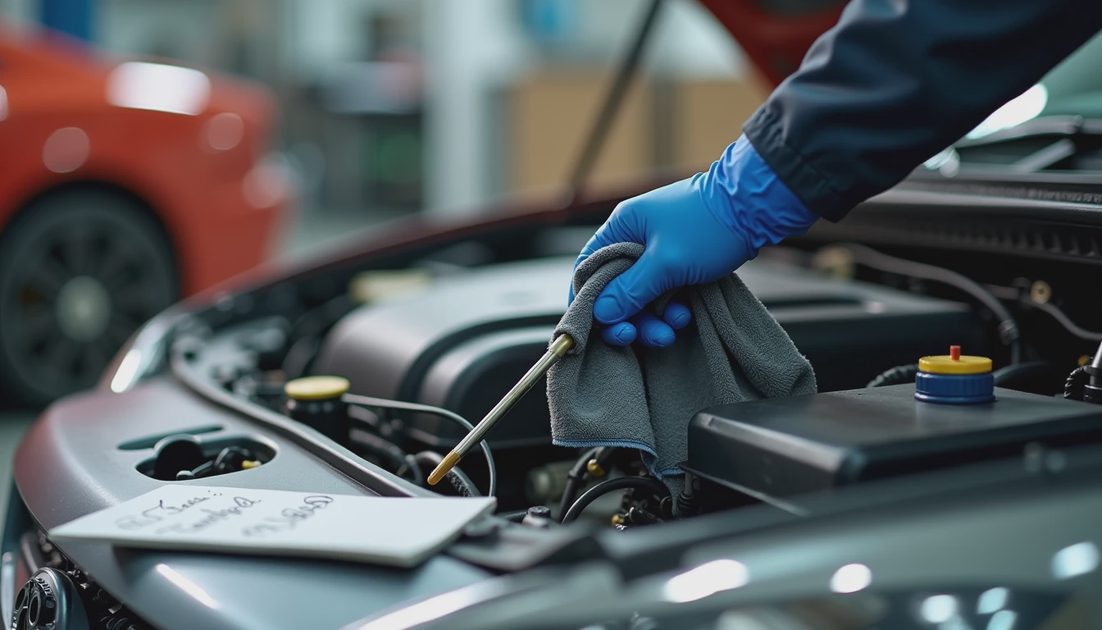
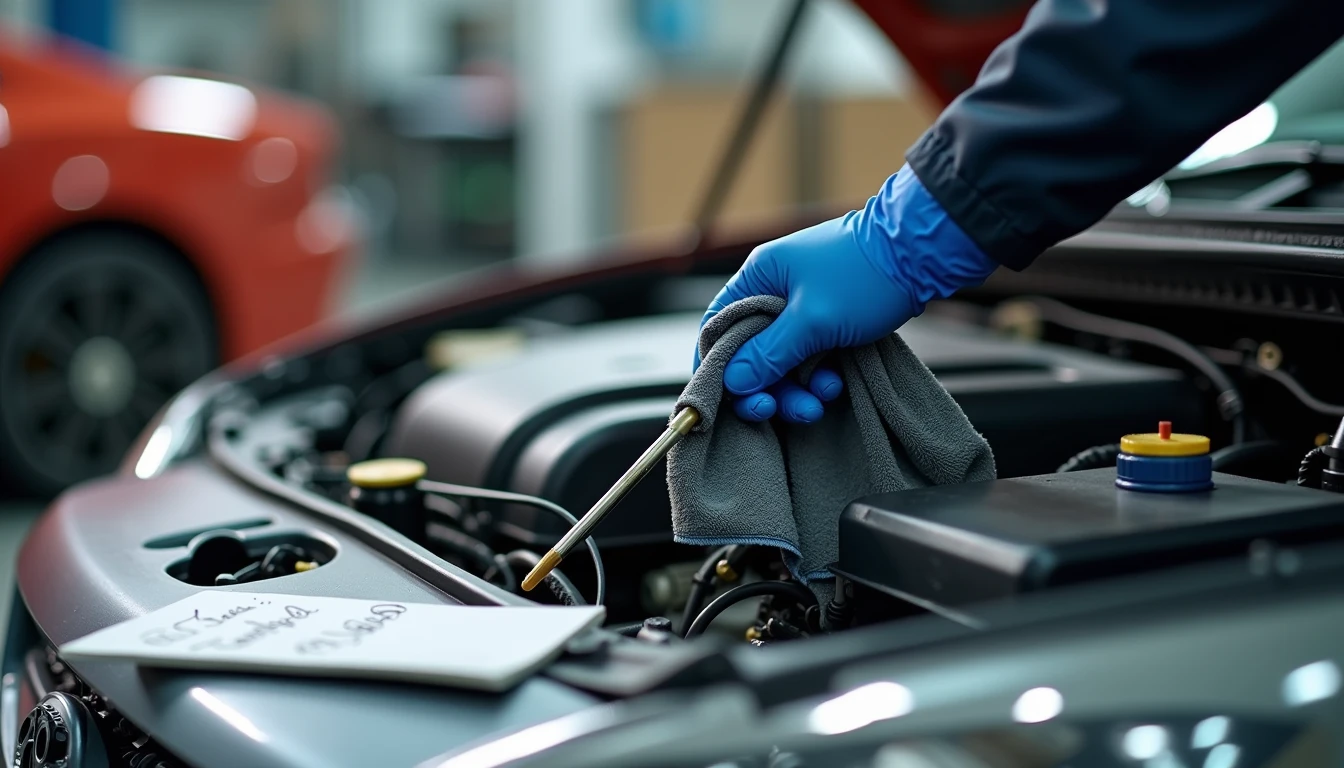
Fixing oil consumption early can save your engine from oil starvation and a catastrophic failure
Why This Matters (cost/safety/longevity payoff)
You’ve probably heard that “a little oil burning is normal—just top it off.” Here’s what the data actually shows: when oil consumption goes unchecked, the real killer isn’t the smoke—it’s oil starvation (running the engine low on oil). Oil starvation strips the protective oil film off moving parts, skyrockets heat and friction inside the engine block, and can end in catastrophic failure.
Oil consumption also tends to snowball. Burned oil leaves carbon deposits, carbon worsens ring sealing and valve sealing, and that increases oil burn even more. Catch it early, and you might be dealing with maintenance-level fixes. Ignore it, and you can cook the engine from the inside.
What You Need to Know (specs, types, intervals)
Engine oil consumption means your engine’s oil level drops noticeably between oil changes.
From the source, here’s the key baseline example:
- An oil change interval of 6,000 miles is used as a reference point. If you reach that mileage and drain significantly less oil than expected, your engine is consuming oil.
A few definitions in plain English:
- Viscosity: how thick the oil is at a given temperature. Engines are designed around a specific viscosity range.
- Oil starvation: operating with too little oil in the engine, causing metal-to-metal contact, excess heat, and rapid wear.
- Compression: the engine’s ability to squeeze the air/fuel charge in the cylinders. Low compression often points to sealing problems (rings/valves).
No brand talk here—just the reality: each engine has a dedicated oil type, viscosity, and amount of oil it needs to run right. Using the wrong oil can be a direct cause of oil consumption.
How It Works (what actually causes oil to disappear)
You’ve probably heard oil “just vanishes.” Let me show you what actually happens inside your engine: oil only leaves the crankcase in two ways—it leaks out or it gets burned during combustion.
The main engine oil consumption causes (from the source)
#### 1) Worn out piston rings
Piston rings seal the combustion chamber and help control oil on the cylinder wall. When they wear, oil can slip past the rings and get burned.
What you’ll notice: oil level dropping, possible blue smoke, and often low compression because the cylinder can’t seal as well.
Science Corner (ring sealing, shop-teacher version):
Rings ride on a microscopic film of oil. When ring tension drops or ring faces wear, they stop scraping and sealing correctly. That leaves extra oil on the cylinder wall, and the next combustion event cooks it into carbon.
#### 2) Leaking valve stem seals
Valve stem seals keep oil in the valvetrain area from running down the valve guides into the combustion chamber. When they leak, oil gets sucked into the cylinder and burned.
What you’ll notice: oil consumption and smoke symptoms (often most noticeable after certain driving conditions), plus carbon buildup over time.
#### 3) Using the wrong engine oil
Wrong oil can increase consumption because the engine was designed around a specific type and viscosity. Too thin or incorrect formulation can slip past seals or rings more easily, or fail to control oil the way the engine expects.
Pro Tip: If oil consumption started right after an oil change, don’t assume the engine suddenly “went bad.” First verify the correct oil type and viscosity were used for your engine.
#### 4) Oil leaks
Not all “consumption” is burning. If oil is leaking externally, you’ll lose oil level just the same.
What you’ll notice: oil level dropping, and often evidence under the vehicle or around engine surfaces (even if it’s not dripping constantly).
Symptoms to watch for (what your car is telling you)
The source lists these common symptoms. Use them like a checklist:
1) Low oil level
This is the big one. If the dipstick keeps dropping between services, you’ve got a real issue—not just “old car behavior.”
2) Poor engine work
General poor running can show up when oil consumption is tied to mechanical wear or carbon buildup.
3) Low compression
A major diagnostic clue. Low compression often goes hand-in-hand with worn piston rings or valve sealing problems.
4) Blue smoke
Blue smoke is classic “oil is being burned.” (The source also mentions black smoke earlier; smoke color can be a clue, but the bigger point is: smoke + oil loss needs diagnosis.)
5) Carbon formation on the piston top and valves
Burning oil leaves deposits. Those deposits can worsen sealing and drivability.
6) Clogged catalytic converter
Oil ash and carbon can contaminate and clog the catalytic converter over time—expensive and performance-killing.
How to diagnose engine oil consumption (a practical DIY workflow)
You don’t fix oil consumption by guessing. You fix it by proving where the oil is going.
1) Confirm the problem is real
- Check the oil level consistently and document the drop. The source frames the issue as oil missing between changes (example interval: 6,000 miles).
Pro Tip: Check oil on a consistent routine (same parking spot, similar temperature/engine state) so your readings aren’t bouncing around.
2) Separate “leak” from “burn”
- Look for evidence of oil leaks around the engine and under the vehicle.
- If you’re not seeing leak evidence but the level drops, suspect burning through piston rings or valve stem seals.
3) Use symptoms to point the diagnosis
- Blue smoke + oil loss: strong indicator of burning oil.
- Low compression: points you toward ring or valve sealing issues.
- Carbon buildup signs and drivability issues: supports an internal-burning theory.
4) Verify the oil you’re using
- The source calls out using the wrong engine oil as a cause. Confirm the oil type and viscosity match what the engine requires.
Common Mistakes (myths, pitfalls, warnings)
- Myth: “Oil consumption isn’t serious if the car still runs.”
Reality: the danger is oil starvation, which can destroy the engine internally and lead to catastrophic failure.
- Mistake: Ignoring the dipstick between oil changes.
Oil loss happens between services. If you only check at oil-change time, you can run low for thousands of miles without realizing it.
- Myth: “Smoke is the only sign.”
Reality: you can have oil loss with minimal obvious smoke, and still be heading toward low oil level and damage.
- Mistake: Assuming it’s always internal when it might be a leak (or vice versa).
You need to determine whether oil is leaking out or burning to pick the right repair path.
Bottom Line (summary, recommended action)
Oil consumption isn’t just an annoyance—it’s a direct path to oil starvation and engine damage if you let it ride. Start with the basics: confirm oil level drop between oil changes (the source uses a 6,000-mile interval example), check for leaks, watch for blue smoke and low compression, and verify you’re using the correct oil type and viscosity for your engine. Then you can target the real root cause: worn piston rings, valve stem seals, wrong oil, or external leaks.