Viscosity Grades

5w30 vs 10w40 Which Is Better for Summer?
5w30 vs 10w40 which is better for summer? Learn how viscosity, HTHS, and your engine's spec decide the right grade in ho...

Is thicker oil better for high mileage?
thicker oil better for high mileage? Learn when it helps worn engines, when it hurts cold starts, and how to read the sp...

Which Oil Is Thicker? A Lubricant Engineer Breaks Down Viscosity Grades
Wondering which oil is thicker? Here's how SAE viscosity grades work, what the W means, and how to pick the right thickn...

10w40 vs 5w30: What the Viscosity Numbers Actually Mean
10w40 vs 5w30: Which oil should you choose? Here's what viscosity numbers mean, how cold starts affect engine wear, fuel...

10w30 vs 5w40: What the Viscosity Numbers Actually Mean
10w30 vs 5w40 isn't just a cold-weather debate. Learn how SAE grades, HTHS viscosity, and your owner's manual decide whi...

How to Read an Engine Oil Viscosity Chart Like a Lubricant Engineer
Learn how to read an engine oil viscosity chart and choose the right grade for your car. We break down SAE ratings, cold...

Pick the right oil viscosity to prevent cold-start wear and hot-running damage
A practical viscosity grades guide with step-by-step detail and professional tips.

Pick 5W-30 vs 10W-40 the right way to avoid cold-start wear and unnecessary drag
This guide explains how SAE J300 defines 5W-30 vs 10W-40, with viscosity ranges at 100 C and what they mean for cold sta...
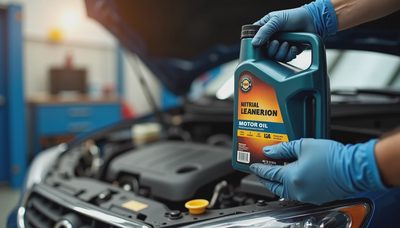
Reading the engine oil label right can prevent premature wear and an expensive engine repair
This guide explains how to read engine oil labels using SAE J300 viscosity codes, the API donut, and ACEA A/B/C ratings ...