Stop Premature Wear and Clean Internal Systems With Additive Chemistry
You've probably heard that engine additives are just expensive snake oil for desperate mechanics. Here's what the data actually shows. When formulated correctly, additives aren't magic potions—they're precisely engineered chemical packages that solve specific molecular problems inside your powertrain. I’ve spent fifteen years in lubricant R&D breaking down base stocks and additive chemistry, and I’m going to show you exactly how these compounds work, what specs to look for, and how to apply them without wasting money or damaging your engine.
Why This Matters
Modern engines and transmissions run tighter tolerances than ever before. That means sludge, varnish, and microscopic wear particles have less room to hide. A clogged fuel injector or a stiff transmission valve body doesn’t just cause a rough idle—it triggers cascading failures that cost thousands to fix. The right additive package can restore flow, condition seals, reduce metal-to-metal contact, and stabilize fuel during storage. Using the correct chemistry at the right concentration prevents premature rebuilds and keeps your maintenance budget predictable.
What You Need to Know
Additives are categorized by their target system and chemical function. Below are standard market reference sizes and SKUs that illustrate how these products are packaged for DIY application. Always match the container volume to your system capacity, and never exceed manufacturer dilution ratios.
- Valve cleaning concentrates (e.g., SKU: 2001, 150 ml) target carbon deposits on intake valves and combustion chambers.
- Friction modifiers for differentials and manual transmissions (e.g., SKU: 2019, 50 g) use solid lubricants to reduce gear wear.
- Fuel system cleaners for gasoline (e.g., SKU: 2030, 500 ml) and diesel (e.g., SKU: 22248, 1 l or SKU: 22249, 1 l) dissolve varnish and restore injector spray patterns.
- Cooling system flushes (e.g., SKU: 2051, 300 ml) break down rust and scale in radiators.
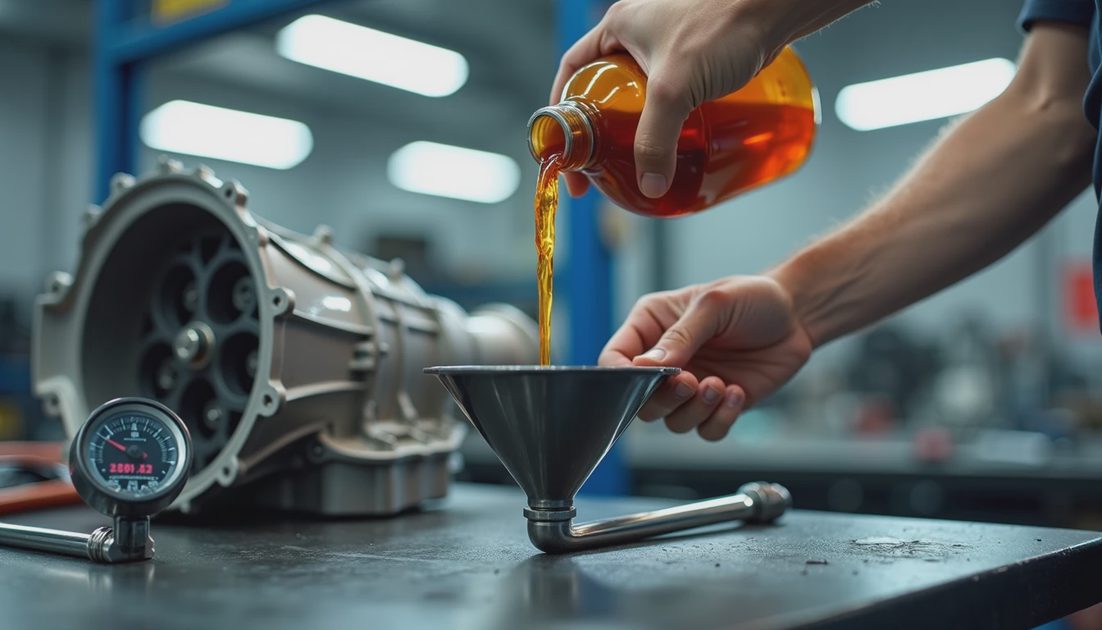
- Automatic transmission cleaners (e.g., SKU: 20224, 1 l) suspend varnish in valve bodies before fluid changes.
- Viscosity modifiers for engine oil (e.g., SKU: 20206, 300 ml) thicken degraded oil to restore proper film strength.
- Fuel stabilizers for seasonal equipment (e.g., SKU: 20502, 1 l) prevent oxidation and phase separation in stored gasoline.
- Oil conditioners and seal swellers (e.g., SKU: 22250, 1 l) restore pliability to aging gaskets and reduce burn-off.
- Power steering leak stoppers (e.g., SKU: 20284, 35 ml) target high-pressure steering system seals.
> Science Corner: Modern additives rely on carrier molecules that deliver active ingredients exactly where they’re needed. Fuel cleaners use polyether amines (PEA) that bond to carbon at high temperatures, breaking it into microscopic particles that burn off cleanly. Friction modifiers like molybdenum disulfide (MoS2) plate onto metal surfaces under pressure, creating a low-shear layer that prevents scoring. Seal conditioners contain ester-based compounds that gently swell nitrile and Viton rubber without causing swelling-induced leaks.
How It Works
Application is about timing and concentration. For fuel system cleaners, pour the concentrate directly into a nearly empty tank before filling up. This ensures proper mixing and lets the cleaner scrub injectors during normal combustion cycles. For transmission cleaners, add the 1 L bottle to the existing fluid, drive for ten miles to circulate it, then perform a complete fluid and filter change. The cleaner suspends varnish so it drains out instead of clogging the new filter. For oil thickeners or seal conditioners, add them during an oil change when the system is empty and ready for fresh fluid. Always verify your oil filler neck capacity and dipstick reading before adding viscosity modifiers—over-thickening starves the pump.
> Pro Tip: Warm the engine to operating temperature before adding any fluid-based additive. Cold fluid has higher viscosity (how thick the oil is at a given temperature) and won’t mix properly with the existing charge. A five-minute idle cycle ensures complete integration.
Common Mistakes
Despite what forum threads claim, you absolutely can overfill or over-concentrate these products. Adding a full liter of cleaner to a small fuel tank creates a solvent-rich mixture that can strip protective coatings from aluminum components. Mixing multiple additive types in one system causes chemical competition—detergents will fight dispersants, and seal swellers can neutralize friction modifiers. Another frequent error is using a radiator cleaner in a closed cooling system without flushing afterward. Residual acid-based cleaners will eat through aluminum water pumps and heater cores. Always follow the dilution ratio printed on the container, and never stack additives unless the chemistry is explicitly compatible.
Bottom Line
Additives are maintenance multipliers, not miracle cures. Match the concentrate type to your specific problem, respect the container volume, and apply them during routine service windows. Keep your API oil ratings and OEM viscosity grades as your baseline, and use these chemical packages to extend component life and prevent costly failures. When in doubt, consult your service manual, verify the additive’s chemical compatibility, and let the data guide your next purchase.