You've probably heard that kerosene lasts forever. Here's what the data actually shows: does kerosene go bad depends less on a magic expiration date and more on storage conditions, contamination, and the fuel's original quality. Clean kerosene kept in a tightly sealed, approved container can remain usable for years, but exposure to water, dust, air, and temperature swings gradually changes the fuel.
That matters whether you keep kerosene for a portable heater, lantern, torpedo heater, farm equipment, or emergency backup. Old fuel is not automatically dangerous or useless, but it deserves inspection before you pour it into a burner. A few minutes of checking can prevent clogged wicks, smoky combustion, bad odors, and expensive component replacement.
How kerosene changes during storage
Kerosene is a middle-distillate petroleum fuel, chemically related to diesel but generally refined for different applications. It contains hydrocarbon molecules that are more stable than the compounds in gasoline, which is why properly stored kerosene often has a long practical shelf life. However, stability is not the same as permanence.
The first problem is oxidation. Oxygen in the headspace of a container can slowly react with fuel molecules and create gums, resins, and other heavier oxidation products. Heat accelerates that process. These materials can leave sticky deposits on a wick, nozzle, pump, or combustion chamber. The result may be difficult starting, a yellow flame, smoke, reduced heat, or an unusual varnish-like smell.
Water is another common contaminant. A partially filled container has room for humid air, and repeated temperature changes can cause condensation on the inside walls. Water can settle at the bottom, where it may be drawn into equipment first. Rust, dirt, and biological contamination can also enter through a loose cap or dirty transfer funnel.
Science Corner: kerosene does not usually separate into dramatic layers because of normal aging alone. Visible layers, cloudiness, floating particles, or sludge point more strongly toward water, dirt, corrosion, or chemical contamination. Those signs matter more than the calendar date printed on a container.
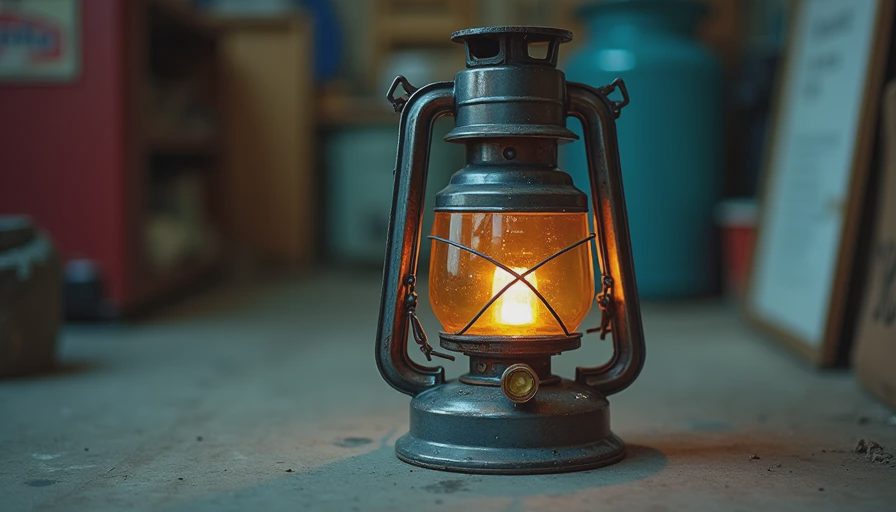
Does kerosene go bad in a plastic container?
Does kerosene go bad in a plastic container? It can, especially when the container is not designed for petroleum fuel. Use an approved, clearly labeled kerosene container made from a compatible material. A thin household jug, an unmarked bucket, or a repurposed food container creates problems: the material may soften, the cap may not seal, and someone could mistake the contents for another liquid.
Keep the container closed, upright, and out of direct sunlight. A cool, dry shed or garage is usually better than an attic, porch, or vehicle trunk. Avoid storing it beside a furnace, water heater, welding equipment, or any ignition source. Do not leave a container where children or pets can reach it.
The container should have minimal empty space without being overfilled. Fuel expands as it warms, so leave the headspace specified by the container design. Label the fuel with its contents and storage date. If you transfer kerosene from a larger drum into a smaller container, use a clean funnel reserved for fuel and avoid introducing dust or water.
How to inspect old kerosene before use
Before using old kerosene, move the container to a well-ventilated area away from flames, sparks, cigarettes, and running engines. Do not sniff closely over the opening or test fuel by lighting it in an improvised container. Open the cap carefully and inspect the liquid with a flashlight held beside the container, not by placing a flame near it.
Fresh, usable kerosene is generally clear and uniform, with a petroleum odor that is noticeable but not sharply sour or solvent-like. Warning signs include a milky appearance, darkening, floating debris, rust flakes, sediment, a gelatinous layer, or water visible at the bottom. A strong rancid or varnish odor is also a reason to stop.
If the container is transparent and undisturbed, let it sit long enough for heavier contamination to settle. Do not shake it before inspection. Even when the liquid appears acceptable, check the heater or lantern instructions first. Some appliances require a particular kerosene grade, such as 1-K kerosene, and poor-quality fuel can damage a wick or produce unsafe combustion.
A small sample in a clean glass jar can make inspection easier, but handle it as flammable fuel and keep the sample away from living areas. Never mix questionable kerosene with fresh fuel simply to dilute the problem. Contaminated fuel can still carry water, sediment, or gum into the appliance.
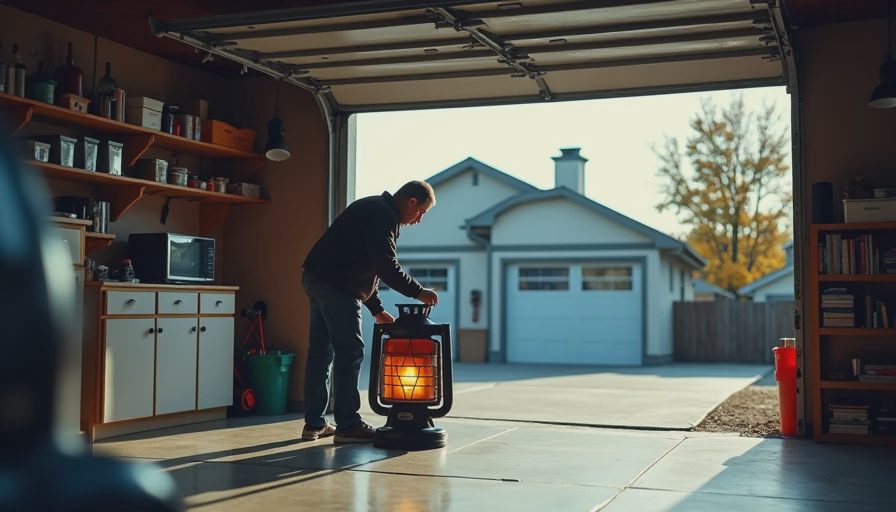
Does kerosene go bad faster in a heater or lantern?
Does kerosene go bad faster in a heater or lantern? The fuel itself ages according to storage conditions, but equipment problems can make old fuel appear worse. A wick exposed to contaminated kerosene may harden or develop carbon deposits. A nozzle can partially clog, and a filter can trap sediment. Those issues produce poor performance even if some fuel in the container remains usable.
For a wick appliance, replace or trim the wick according to the manufacturer instructions rather than trying to burn away contamination. For a forced-air heater, inspect the filter, fuel line, nozzle, and pump system. A black or smoky flame is not a normal way to judge fuel quality; shut the appliance down and follow its service procedure. Incomplete combustion can produce carbon monoxide, so use fuel-burning heaters only with the ventilation and detector precautions specified by the manufacturer.
Do not use kerosene in a diesel engine, gasoline engine, or oil furnace unless the equipment documentation specifically permits it. Similar petroleum origins do not make fuels interchangeable. The wrong viscosity, volatility, lubricity, or additive profile can create hard starting and component damage.
How long can stored kerosene last?
There is no universal expiration date that overrides storage conditions. A sealed container of clean, commercially produced kerosene stored indoors may remain serviceable for several years. An open container exposed to heat, humidity, dust, or repeated temperature swings can become questionable much sooner. The useful answer to does kerosene go bad is therefore conditional: time raises the need for inspection, but contamination determines whether the fuel should be used.
For seasonal equipment, rotate stock instead of accumulating several old containers. Mark the purchase date, use the oldest acceptable fuel first, and inspect the container before every season. Keep only the amount you realistically expect to use. Saving $20 worth of questionable fuel is not worthwhile if it clogs a $100 wick assembly or creates smoky combustion in a heated space.
Safe disposal and a simple storage routine
If the fuel is cloudy, contaminated, badly discolored, or stored in an unknown container, do not pour it down a drain, onto soil, into a storm sewer, or into household trash. Contact your local household hazardous-waste program or fire department for disposal guidance. Keep the container closed during transport, place it upright in a stable position, and never combine it with gasoline, solvents, motor oil, or other chemicals.
A sound storage routine is simple. Buy the correct fuel for the appliance, use an approved container, label the date, keep the cap tight, store it cool and shaded, and inspect it before use. If you remember one number from this post, make it this one: there is no single number of months that guarantees fuel quality. Read the container, inspect the liquid, and follow the equipment manual.
So, does kerosene go bad? Yes, eventually or whenever contamination compromises it, but properly stored kerosene can remain useful for a long time. Treat it as a petroleum fuel rather than an immortal liquid, and your heater or lantern will have a much better chance of starting cleanly when you need it.




No letters yet — pray write the first.