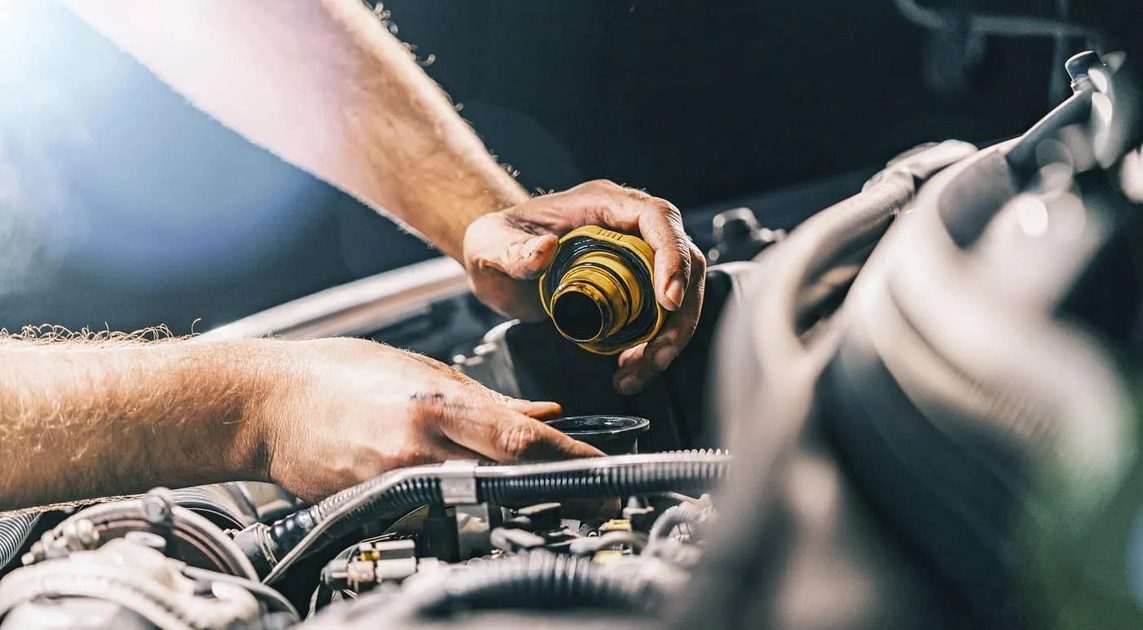
Premium engine oil serves several critical functions simultaneously. It reduces friction between moving parts, dissipates heat buildup, removes contaminants, and strengthens the seal between engine components — all of which contribute to extended engine life and optimal performance.
Tracking oil consumption provides a reliable window into overall engine health. When an engine burns through oil at an abnormal rate, it frequently signals an underlying mechanical problem that requires attention.
What exactly triggers excessive oil consumption, and how can you recognize the warning signs?
Engine oil consumption is measured in deciliters per 1,000 kilometers (dl/1,000 km).
Pinpointing the exact threshold where oil consumption crosses into excessive territory is not straightforward. The answer varies based on multiple variables, including specifications set by individual engine manufacturers.
Generally speaking, passenger cars use between 0.05 and 3 dl of engine oil per 1,000 km. Modern vehicles are held to stricter standards than older models, with maximum allowable consumption typically falling between 0.05% and 1%.
For utility vehicles, the accepted upper limit for oil consumption sits between 0.25% and 0.3%.
Excessive oil consumption can stem from a variety of sources. The following are among the most common:
Every engine is engineered to run on a particular type of lubricant. Using an incompatible formulation can degrade internal engine components and drive up oil consumption. As one example, oil with insufficient viscosity generates excess heat and friction, leading to engine wear.
The frequency of oil changes also plays a role in consumption rates. When oil changes are neglected, contaminants accumulate and the oil begins to burn off. Left unchecked, this leads to elevated oil consumption and accelerated engine deterioration.
The Valvoline fluid analysis program allows you to evaluate your engine oil for the presence of damaging substances — including silica deposits, metal contamination, and fuel intrusion.
Valvoline produces an extensive lineup of premium synthetic, high-mileage, and racing engine oils designed to satisfy a broad range of performance needs. Below is a selection from our comprehensive product catalog:
Piston rings are responsible for sealing the space between the piston and the cylinder wall. When these rings wear out or sustain damage, engine oil begins migrating past them and into the combustion chamber, driving up overall consumption.
Once inside the combustion chamber, the oil burns off and leaves behind carbon deposits on the piston rings themselves.
Worn piston rings produce several additional symptoms beyond elevated oil consumption, including blue exhaust smoke, reduced engine output, and sluggish acceleration.
Freshly built engines tend to consume relatively little oil. As the engine accumulates mileage, its components gradually degrade, creating minor leaks that cause oil to disappear more quickly than expected.
Regularly comparing your actual oil consumption against the manufacturer's maximum permissible rate is an important maintenance practice.
Gaskets and seals are constantly exposed to extreme heat and corrosive fluids. This harsh environment causes them to deteriorate over time, resulting in oil leaks.
As oil escapes through compromised seals, the engine continuously loses fluid during normal operation. More frequent top-offs become necessary to prevent serious damage. Gasket repairs are relatively affordable and can meaningfully improve engine performance while lowering costs over the long run.
If you suspect your engine is consuming too much oil but are unsure how to confirm it, the following symptoms can help guide your assessment:
The appearance of blue or grey exhaust smoke indicates that engine oil has entered the combustion chamber and is being burned. This can result from multiple causes, such as leaking or worn piston rings and damaged cylinder walls.
Persistent blue smoke warrants a professional inspection. Only a trained technician performing comprehensive diagnostic tests can accurately identify and isolate the underlying issue.
A compression test reveals the condition of key internal components, including valve seats, valves, and piston rings.
To perform the test, insert a compression tester into each cylinder. Disable both the fuel and ignition systems beforehand. The engine should be at operating temperature when tested, as piston rings do not form a proper seal when cold.
A healthy reading exceeds 100 psi per cylinder, and the difference between the highest and lowest cylinder readings should remain within 10%.
Oily residue found on spark plugs or accumulated at the base of the valves indicates that oil is reaching the combustion chamber and burning away.
As noted above, using the wrong engine oil and having damaged piston rings are the primary contributors to excessive carbon buildup.
When engine oil finds its way into the cooling circuit, it degrades the coolant. Beyond contributing to oil loss, this contamination disrupts heat transfer and alters the coolant's physical characteristics, such as its color and transparency.
Abnormally high oil consumption is frequently a symptom of a deeper engine health concern. Address it at the first sign of trouble by bringing in qualified professionals to trace the source. Consulting your Valvoline representative and enrolling in an engine oil analysis program are also strongly recommended steps.
Above all, invest in a high-performance engine oil. For more than 150 years, Valvoline has been at the forefront of engine oil innovation, continuously advancing formulations to meet evolving industry standards. Explore our full range of motor oils and find the right match for your engine.




No letters yet — pray write the first.