You've probably heard that automatic engine stop-start systems save fuel without creating meaningful wear. Here's what the data actually shows: the system can reduce idling fuel use, but start stop technology disadvantages become more noticeable when the battery is weak, traffic is congested, or the vehicle is used for short trips. I have spent years looking at lubrication, wear, and failure patterns, and the honest answer is less dramatic than either side of the internet argument.
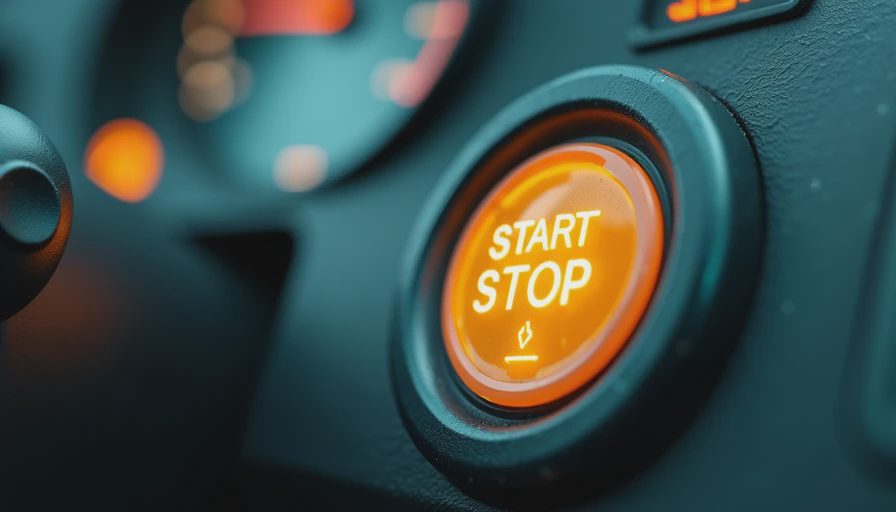
An automatic stop-start system shuts the engine off when the vehicle is stationary, then restarts it when the brake is released or the accelerator is pressed. The computer considers battery charge, coolant temperature, cabin temperature, steering input, and other conditions before allowing the shutdown. It is not simply switching the ignition off at every red light.
The main start stop technology disadvantages
The first concern is increased starting events. A conventional vehicle might start several times during a trip, while a car used in heavy city traffic can command many additional restarts. That sounds like an automatic engine-wear disaster, but the starter, ring gear, battery, and control software are designed for this duty cycle. The system also avoids stopping the engine when conditions would make a restart undesirable.
Still, extra cycles are not free. A starter motor has brushes, bearings, and a pinion gear that eventually wear. Vehicles with stop-start operation commonly use an enhanced starter or a belt-driven starter-generator rather than the basic unit found in an older compact car. Replacement costs can range from roughly $300 to more than $1,000 depending on the vehicle and labor access. That is one of the practical start stop technology disadvantages owners feel years after the fuel savings appear.
Battery cost is often the bigger issue. Many systems require an AGM or EFB battery, not a conventional flooded lead-acid replacement. AGM batteries tolerate repeated cycling better, but they often cost about $180 to $350 installed. A battery that is marginal can trigger warning messages, disable the feature, or create hard starting. In cold Oklahoma mornings or during repeated short trips, that reserve disappears faster.

Science Corner: what happens to the oil film?
At engine shutdown, rotating parts stop and the hydrodynamic oil film gradually collapses in some loaded areas. During a restart, the crankshaft, bearings, and camshaft move before full oil pressure is established. That does not mean the engine runs dry. Modern engines retain oil on surfaces, use low-friction coatings, and often place the starter and bearing system under carefully modeled loads.
Oil temperature matters more than the marketing slogan. A fully warmed engine with the correct SAE viscosity grade can restart with relatively low resistance. A cold engine has thicker oil, weaker battery output, and poorer fuel vaporization. If a vehicle repeatedly starts, moves a few hundred feet, and stops again, the engine may spend much of its life outside its ideal operating temperature.
This is why the correct oil specification matters. Use the viscosity and performance approval listed in the owner manual, such as SAE 0W-20 or 5W-30 and the required API or manufacturer standard. Do not pour in a thicker oil just to make restarts feel calmer. Viscosity changes can affect variable valve timing, hydraulic tensioners, fuel economy, and cold-start flow.
Used-oil analysis rarely proves that stop-start operation alone destroyed an engine. Wear metals reflect many influences, including dust ingestion, fuel dilution, overheating, oil age, and short-trip operation. The sound conclusion is that stop-start adds operating events, while proper oil, temperature control, and battery maintenance determine whether those events become expensive.
Fuel savings versus real-world tradeoffs
The fuel benefit is real because an idling engine burns fuel while producing no useful movement. The savings are most relevant in repeated urban stops and long waits. On a highway, the feature does essentially nothing because the engine is running continuously. In a mild commute with only a few brief stops, the financial benefit may be small compared with a battery or starter replacement.
Climate control creates another tradeoff. When the engine stops, the air-conditioning compressor may stop or switch to a limited electric system. Cabin cooling can weaken at a long light, especially in hot weather. Many vehicles restart automatically when cabin temperature moves away from the selected setting, but the driver may still notice warmer air, a vibration, or a delayed response.
Some drivers also dislike the feel. A good system is nearly invisible, while an older calibration can produce a pause, shudder, or abrupt restart when traffic begins moving. That hesitation is not usually dangerous, but it can make precise maneuvering frustrating in parking lots, roundabouts, or stop-and-go lanes. These drivability complaints are among the most common start stop technology disadvantages.
How to reduce wear and maintenance surprises
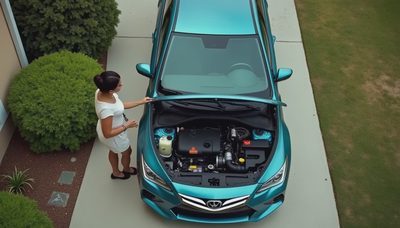
Start with the battery. If the vehicle has a battery-monitoring sensor, battery replacement may require registration or programming so the charging system knows the new battery's condition. Installing the right physical size but the wrong technology can shorten service life and cause repeated system faults.
Next, monitor the pattern of use. A car that takes one 30-mile trip daily generally gives the battery and oil more recovery time than a car used for eight two-mile errands. Combine short errands when practical, allow the engine to reach normal temperature, and avoid leaving accessories powered for long periods with the engine off.
Follow the manufacturer oil interval, but understand severe-service definitions. Frequent short trips, extreme temperatures, dusty roads, towing, and prolonged idling can justify a shorter interval than a highway commuter uses. A quality oil meeting the required specification is more valuable than a flashy additive. Factory additive packages already balance detergents, dispersants, antiwear chemistry, antioxidants, and friction modifiers for the intended engine.
If the vehicle offers a temporary stop-start disable button, use it strategically in a parking maneuver, a congested queue, or a situation where repeated cycling is irritating. Do not assume that pressing the button permanently disables the system; many cars reset it after each ignition cycle.
When a warning message deserves attention
A stop-start warning is not automatically an engine failure. The computer may disable the feature because the battery state of charge is low, the engine is cold, the defroster is operating, the steering wheel is turned sharply, or the cabin needs more climate control. That is normal logic, not proof of damage.
Repeated warnings, slow cranking, dimming lights, a clicking starter, or a check-engine light deserve diagnosis. A technician can test battery conductance, charging voltage, parasitic draw, starter operation, and fault codes. Replacing the battery without checking charging performance can waste money; replacing the starter without testing the battery can do the same.
A basic diagnostic visit might cost $50 to $150, while an accurate battery and charging test is often included with parts-store service. The important thing is to identify the cause before a marginal battery leaves you stranded. Start stop technology disadvantages are manageable when warning signs are handled early rather than ignored.
The practical verdict for car owners
Stop-start technology is not automatically harmful, and it is not a free fuel-saving miracle. Its engineering reduces unnecessary idling, but it shifts some attention toward battery type, starter design, software calibration, and short-trip habits. The system is most convincing in dense traffic and least valuable when maintenance costs, hot-cabin discomfort, or replacement parts dominate the ownership experience.
Read the spec, not the bottle: use the required oil grade, API category, and manufacturer approval. Keep the battery healthy, recognize severe-service driving, and treat sluggish starting as a fault instead of a personality trait. If the feature irritates you occasionally, disabling it for that trip is reasonable. If it repeatedly disables itself, investigate the battery and charging system.
The best response to start stop technology disadvantages is not a blanket internet verdict. It is a maintenance plan based on the vehicle's design and your driving pattern. That approach preserves the fuel-saving benefit when it is useful while limiting unnecessary wear, inconvenience, and surprise repair bills.


No letters yet — pray write the first.