You've probably heard that water in engine oil symptoms are rare, something that only happens to neglected engines. Here's what the data actually shows: coolant contamination is one of the most common causes of premature engine failure, and it can strike any engine—from a daily driver to a high-mileage fleet vehicle. Ignoring early signs can turn a $200 gasket repair into a $4,000 engine replacement. In this guide, I'll walk you through the unmistakable water in engine oil symptoms, why they happen, and the exact steps you should take when you spot them.
What Causes Water to Mix with Engine Oil?
Water enters your oil pan through one of a few failure points. The most common culprit is a blown head gasket—the seal between the cylinder head and engine block. When that gasket fails, coolant from the water jackets can leak into the oil passages. A cracked cylinder head or engine block can also allow coolant to seep into the oil. Less common but still possible: a failed oil cooler (on vehicles equipped with one) can mix engine oil with coolant directly. Regardless of the cause, the result is the same: water in your engine oil, which reduces lubrication, causes corrosion, and can lead to catastrophic bearing failure. If you remember one number from this post, make it this one: even 0.5% water content can significantly reduce oil film strength.
The Telltale Water in Engine Oil Symptoms
Water in engine oil symptoms are often visible before they become audible. Here's what to look for:
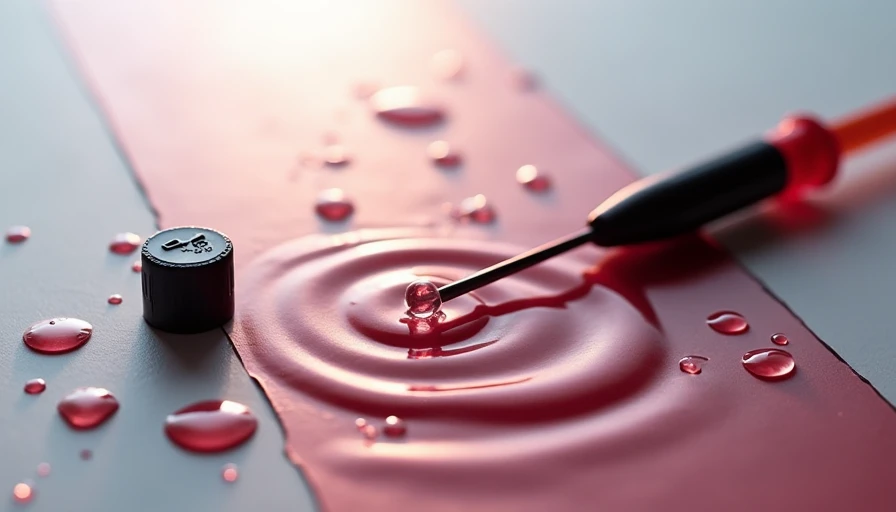
- **Milky or frothy oil on the dipstick:** This is the classic sign. Pull the dipstick and check the color. Normal oil is amber to dark brown; contaminated oil looks like a chocolate milkshake or mayonnaise. The froth indicates emulsified water.
- **Coolant loss without visible leaks:** If you're topping off the radiator frequently but can't find a puddle under the car, the coolant may be mixing with your oil.
- **White smoke from the exhaust:** Coolant burning in the combustion chamber produces a sweet-smelling white vapor. This often accompanies water in engine oil symptoms because the head gasket failure allows coolant to enter both oil and cylinders.
- **Overheating:** Coolant contamination can affect the oil's ability to transfer heat, and the root cause may also reduce cooling system efficiency. An engine that runs hot for no apparent reason deserves a dipstick check.
- **Low oil pressure warning:** Water thins the oil, reducing its lubricating properties. Your oil pressure gauge or warning light may flicker or stay on.
If you spot any of these, don't drive the vehicle until you've confirmed the diagnosis. Continuing to run the engine with water in the oil can accelerate wear within minutes.
How to Confirm Water in Engine Oil
While the visual signs are strong indicators, lab analysis provides definitive proof. A used-oil analysis (UOA) will measure water content in percent by volume. Many DIYers order kits online, send a sample to a lab, and get results within a week. But you can also confirm water in engine oil symptoms with a simple test at home: drain a small amount of oil into a clear container and let it sit for an hour. If the oil separates into layers (oil floating on top of water), you have contamination. Another quick check: heat a drop of oil on a hot plate—if it crackles or spits, water is present.

**Science Corner:** Water is denser than oil (1 g/mL vs. ~0.85 g/mL), so it tends to settle at the bottom of the oil pan. This is why symptoms may not appear immediately—the water sits below the oil pickup tube until enough accumulates to be drawn into the pump. That's why early detection of water in engine oil symptoms is critical.
What to Do If You Find Water in Your Engine Oil
If you've confirmed water in engine oil, stop driving the vehicle immediately. Here's the step-by-step:
- **Drain the oil and filter:** Remove as much contaminated oil as possible. The oil will likely be milky—dispose of it properly.
- **Refill with fresh oil and a new filter:** Use a quality oil of the correct API rating and viscosity grade. Don't waste money on a premium synthetic yet; you may need to change it again soon.
- **Perform a cooling system pressure test:** Rent or buy a pressure tester to check for head gasket or crack leaks. Observe if pressure drops and look for coolant in the oil pan.
- **Run the engine briefly:** Once repaired, you may need several oil changes to flush out all residue. Each change should be inspected for remaining water.
- **Get a professional diagnosis:** If you're not comfortable doing a pressure test or replacing a head gasket yourself, take the vehicle to a trusted mechanic. Expect to pay $800–$1,500 for head gasket replacement on a typical four-cylinder engine—much cheaper than a used engine.
Read the spec, not the bottle: when selecting replacement oil, stick with the API 'S' category recommended in your owner's manual. Don't use additives that claim to "absorb" water—they can create sludge. The only cure for water in engine oil is fixing the leak and flushing the system.
Don't Ignore the Signs
Water in engine oil symptoms are easy to dismiss, especially if your engine seems to run fine. But the chemistry is unforgiving: water accelerates oxidation, corrodes bearing surfaces, and destroys the oil's additive package. Within 500 miles of contamination, you can expect measurable wear metals like iron and copper to spike in a UOA. If you catch it early, you save the engine. If you ignore it, you're shopping for a crate motor. You've probably heard that a little water won't hurt—here's what the data shows: even small amounts dramatically shorten engine life. Act on the symptoms, not the hope.



No letters yet — pray write the first.