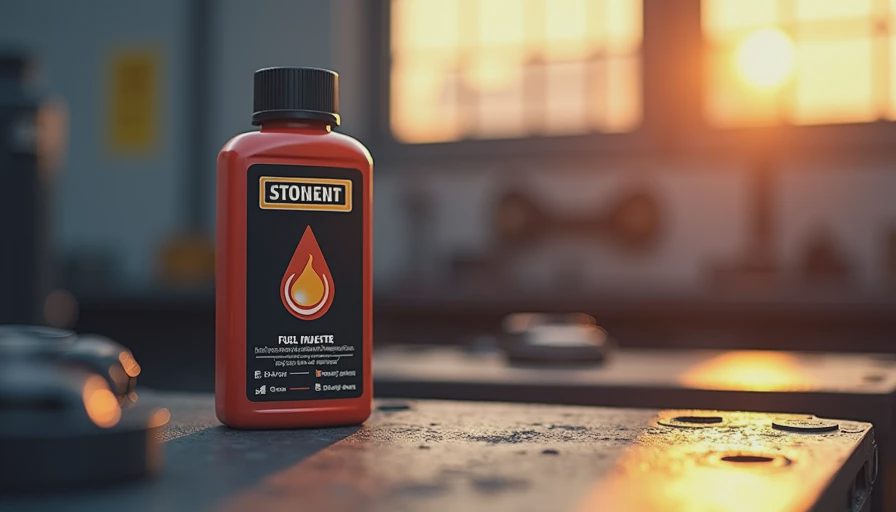
You've probably heard that a bottle of cleaner can fix any shaky idle. Will fuel injector cleaner help rough idle? Sometimes, but only when the problem is deposit-related and not a vacuum leak, bad plugs, low fuel pressure, or a failing coil. That distinction matters because a rough idle is a symptom, not a diagnosis. If the engine only has a light stumble, the chemistry can be useful. If the idle is shaking hard or setting misfire codes, the bottle is a distraction. Read the symptom, not the marketing.
When cleaner can actually smooth a mild rough idle
A cleaner has the best shot when the engine has been on lots of short trips, sat with old fuel, or picked up injector varnish over time. In that case, the injector spray pattern can get lazy, and idle is where the engine shows it first. A good detergent package can restore atomization enough to smooth things out. The key ingredient I look for is PEA, or polyetheramine, because it is one of the stronger deposit cleaners in gasoline systems. Cheap solvent blends can help a little, but they usually do not stay active long enough to do much work.
The improvement, when it happens, is usually modest but real: less shudder at a stoplight, a cleaner cold start, and fewer little misses at low rpm. That is different from a full-blown repair. If the engine has worn plugs, an air leak, or weak ignition, the bottle will not mask the problem for long. It can only help the fuel side of the equation.
Science Corner: will fuel injector cleaner help rough idle when varnish is the culprit?
Science Corner: PEA works because it can travel through the fuel stream and loosen soft deposits on injector tips better than many lighter solvents. In port-injected engines, fuel also washes the intake valves, so the cleaner can help more of the path from tank to combustion chamber. In direct-injected engines, the picture is narrower. The fuel never touches the back of the intake valves, so tank additives cannot clean those valves at all. That is why a GDI engine can still idle rough even after a bottle does its job on the injectors.
The other chemistry point is dose. The bottle instructions are written around a tank size and a target concentration. Dumping in a cleaner and driving a few miles is not the same as running a treated tank through the system. If the concentration is too low, you get a placebo effect. If the product is strong enough and the deposits are mild, you can get enough cleanup to notice at idle.

What to check before you buy a bottle
Before you spend money, use a scan tool if you have one. Look at fuel trims at idle and then at a higher engine speed. If trims are strongly positive at idle and settle down when rpm rises, unmetered air is often the culprit. That points toward a vacuum leak, intake gasket leak, or hose problem rather than dirty injectors. If one cylinder keeps misfiring, I start thinking spark plug, coil, injector, or compression, not a general cleaner.
The feel of the roughness matters too. A mild, annoying idle that comes and goes after a lot of short trips is a fair candidate for a cleaner. A flashing check-engine light, raw fuel smell, or a shake that makes the steering wheel dance is not. At that point, the engine is asking for diagnosis, not additives.
How to use cleaner without wasting money
If the symptoms fit, add the cleaner to the tank the way the label directs, then fill up and drive enough miles to work through the whole treated tank. I like to judge the result after one tank and again after a full warm-up cycle. A quick five-minute idle test in the driveway does not tell you much. Deposit cleanup is gradual, and the idle often smooths out first on the next cold start or after a longer drive.
Cost matters here. A bottle usually runs about $7 to $20. A professional injector service can land in the $150 to $300 range, and injector replacement is much more. That price gap is why a cleaner makes sense as an experiment when the symptom is mild and the rest of the tune-up items look healthy. It is a cheap test, not a universal cure.
When the rough idle is really something else
If the throttle body is dirty, the idle control system can struggle to stabilize airflow. If the spark plugs are worn or the coil is weak, combustion gets lazy no matter how clean the injectors are. If fuel pressure is low because of a pump or filter problem, the engine will still starve. And if compression is low or a valve is not sealing, no bottle in the tank will rescue it. Those problems all feel similar from the driver seat, but the fixes are completely different.
I also see mixed problems on higher-mileage cars: a little injector deposit, a slightly dirty throttle body, and one aging coil. In that case, the cleaner may help some, but it will not solve the whole rough idle. The smart move is to test, not guess. Start with scan data, plugs, air leaks, and fuel pressure before you chase chemistry.
Bottom line for a rough idle
If you remember one number from this post, make it this one: a fuel-system cleaner is a low-cost test, not a magic fix. If your rough idle is mild and deposit-related, a PEA-based cleaner is worth trying. If the engine is misfiring hard or showing signs of air leaks, ignition trouble, or low compression, spend the money on diagnosis instead.
So, will fuel injector cleaner help rough idle? Sometimes. It helps when deposits are the problem and misses when the fault sits elsewhere. That is the whole game. Read the spec, not the bottle, and let the symptoms tell you where the real repair lives.




No letters yet — pray write the first.