Catching a burning oil smell early can save your engine from a $5,000 catastrophic failure.
You’ve probably heard that a faint burning odor is just “part of driving” or something you can safely ignore until your next service visit. Here’s what the data actually shows: that thick, acrid odor (a sharp, irritating smell caused by vaporized hydrocarbons) is your vehicle’s early warning system firing off because fluid is escaping the sealed lubrication system and vaporizing on hot metal surfaces. Ignoring it doesn’t just ruin the air in your cabin—it accelerates internal wear, triggers overheating, and can permanently damage your engine block or transmission.
Why This Matters
Your vehicle’s engine bay is a tightly packed ecosystem of valves, wires, seals, and moving metal components. Every part depends on something else, which means one minor fluid leak quickly escalates into a bigger problem if not properly treated. Motor oil serves as the primary lifeblood of your sedan, truck, or SUV. Without the proper amount flowing throughout the heart of the engine, friction spikes, heat soars, and you run a serious risk of permanent damage. The same principle applies to your transmission fluid. It plays a critical role in vehicle performance, especially when levels drop. If your transmission fluid is running low or potentially leaking, the foul odor can indicate a faulty transmission system that may soon prevent you from switching gears. Acting fast when you notice that smell protects your investment and keeps you safe on the road.
What You Need to Know
The source material highlights three primary triggers for that burning odor, and understanding them helps you diagnose the issue before it worsens. First, your motor oil may be running very low. You should always keep an eye on your oil level, regardless of whether you smell burning oil or not. Second, your transmission fluid may be leaking. Transmission fluid lubricates and hydraulically actuates gear shifts; when it degrades or escapes, the system struggles to perform up to par. Third, your engine may be overheating. An overheated engine could be the result of fluid starvation. When proper fluids aren’t reaching their destination, the engine begins to overheat, which can cause permanent damage. You can readily keep an eye on your engine’s temperature by monitoring your car’s dashboard temperature gauge. If the needle climbs or a warning light illuminates, shut the engine down immediately.
How It Works
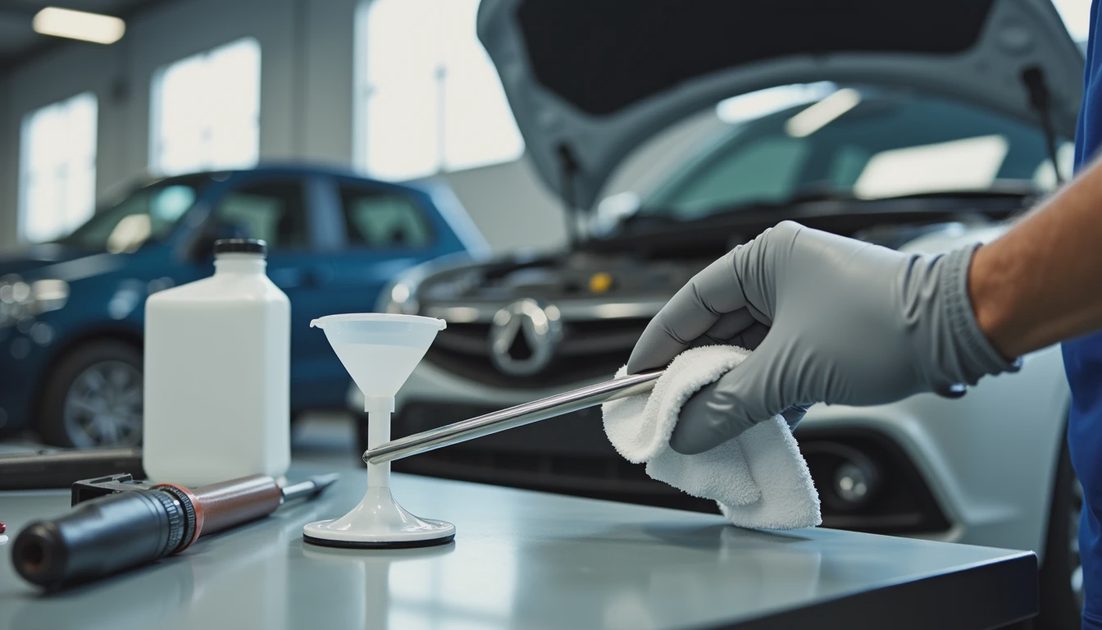
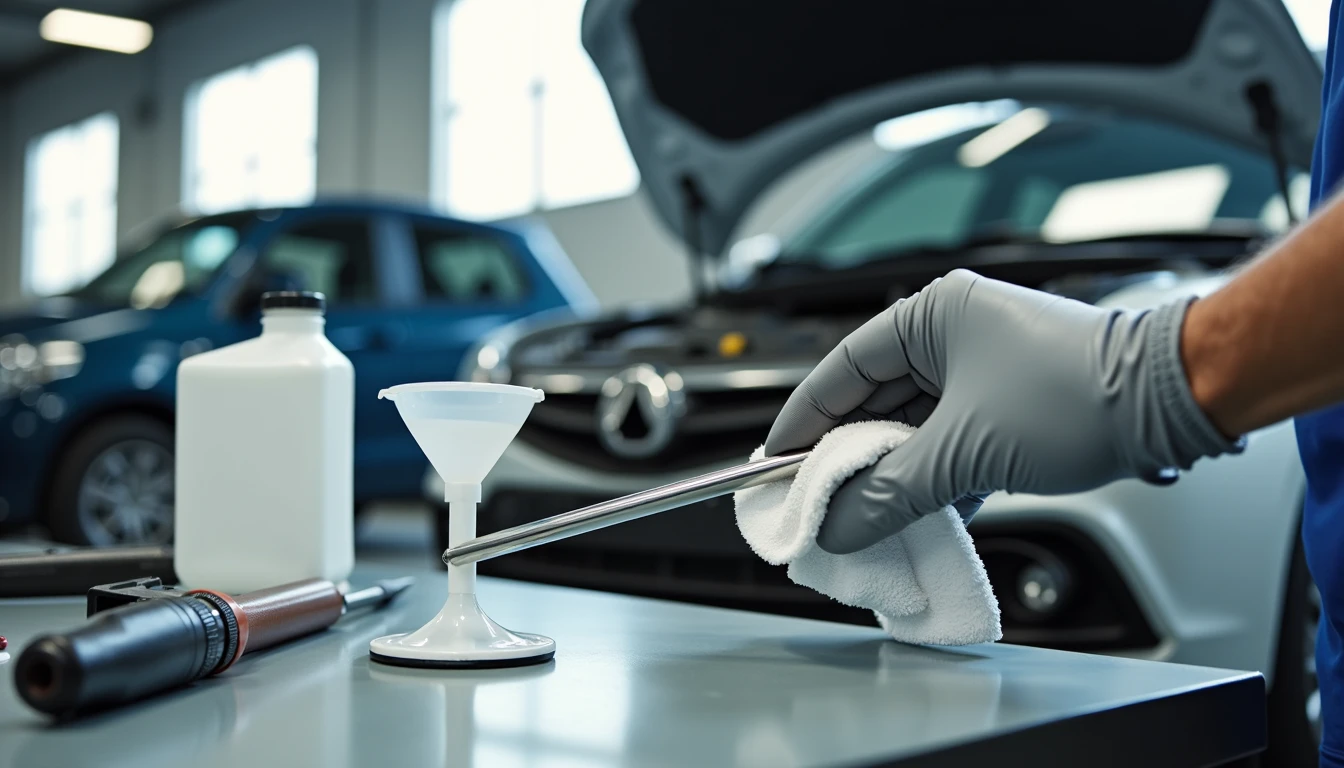
When you detect that bitter smell, your first move is safety. Safely pull over to examine your engine and check for the cause of the foul odor. Let the vehicle idle briefly if it isn’t overheating, then turn it off. Open the hood and visually inspect the engine bay for obvious drips, smoke, or wet spots on hoses and seals. Check your dipstick (a calibrated metal rod used to measure fluid volume) to verify oil levels against the marked minimum and maximum indicators. If it’s below the minimum, you’re losing fluid somewhere. Next, locate your transmission fluid dipstick or fill tube and check the fluid’s condition and level. Always compare what you see against your owner’s manual specifications, as fluid capacities and requirements vary by model. If you can’t locate the source or the fluid levels drop quickly, schedule a professional inspection immediately.
> Science Corner
> Why does leaking oil smell like burning? Motor oil is formulated with base oils and additive packages designed to withstand high heat and shear forces. When oil escapes the sealed engine cavity and lands on the exhaust manifold or cylinder heads—surfaces that regularly exceed 400°F—the lighter hydrocarbon fractions vaporize instantly. This thermal breakdown breaks down the oil’s molecular structure, releasing volatile organic compounds that create that sharp, acrid odor. The smell isn’t just unpleasant; it’s a chemical signal that your lubricant is no longer doing its job where it matters.
> Pro Tip
> Check fluid levels when the engine is warm but parked on level ground. Cold fluid doesn’t drain fully from the pan, giving you a falsely low reading on the dipstick. Also, never top off low transmission fluid without first locating the leak—adding fluid to a damaged system just masks the symptom while internal wear continues.
Common Mistakes
Despite what forums say, you CAN overfill your oil or transmission fluid. Pouring extra fluid into a system that’s already at capacity creates hydraulic lock, foaming, and excessive pressure that blows seals and forces fluid past gaskets. Another frequent error is assuming the burning smell means you just need an oil change. While old oil degrades over time, a sudden acrid odor usually points to an active leak or overheating condition, not routine maintenance. Finally, many drivers ignore the dashboard temperature gauge until the engine smokes. Your vehicle’s cooling and lubrication systems are interdependent; if the engine overheats due to low fluid, you’re risking warped cylinder heads and blown head gaskets. Address the root cause, not just the smell.
Bottom Line
A burning oil smell is never something to ignore. It’s a direct indicator that your motor oil is running low, your transmission fluid is leaking, or your engine is overheating. Check your fluid levels regularly, monitor your dashboard temperature gauge, and inspect for leaks the moment you catch that acrid odor. If you can’t locate the source or the fluid levels drop quickly, schedule a professional inspection immediately. Catching these issues early prevents critical damage, saves you from expensive rebuilds, and keeps your vehicle running exactly as the engineers intended.