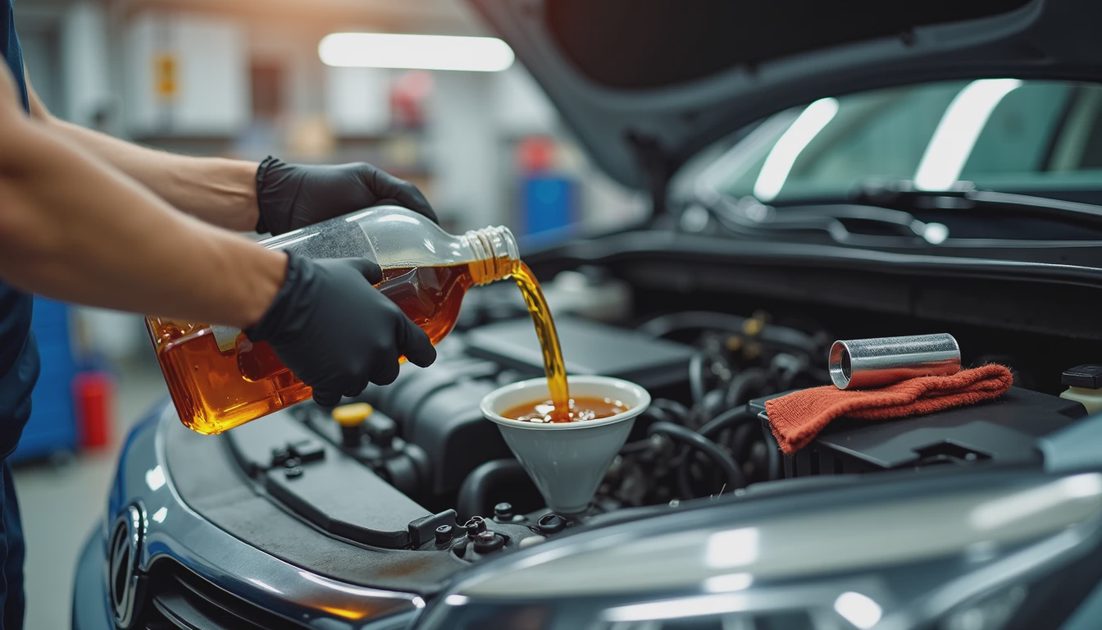
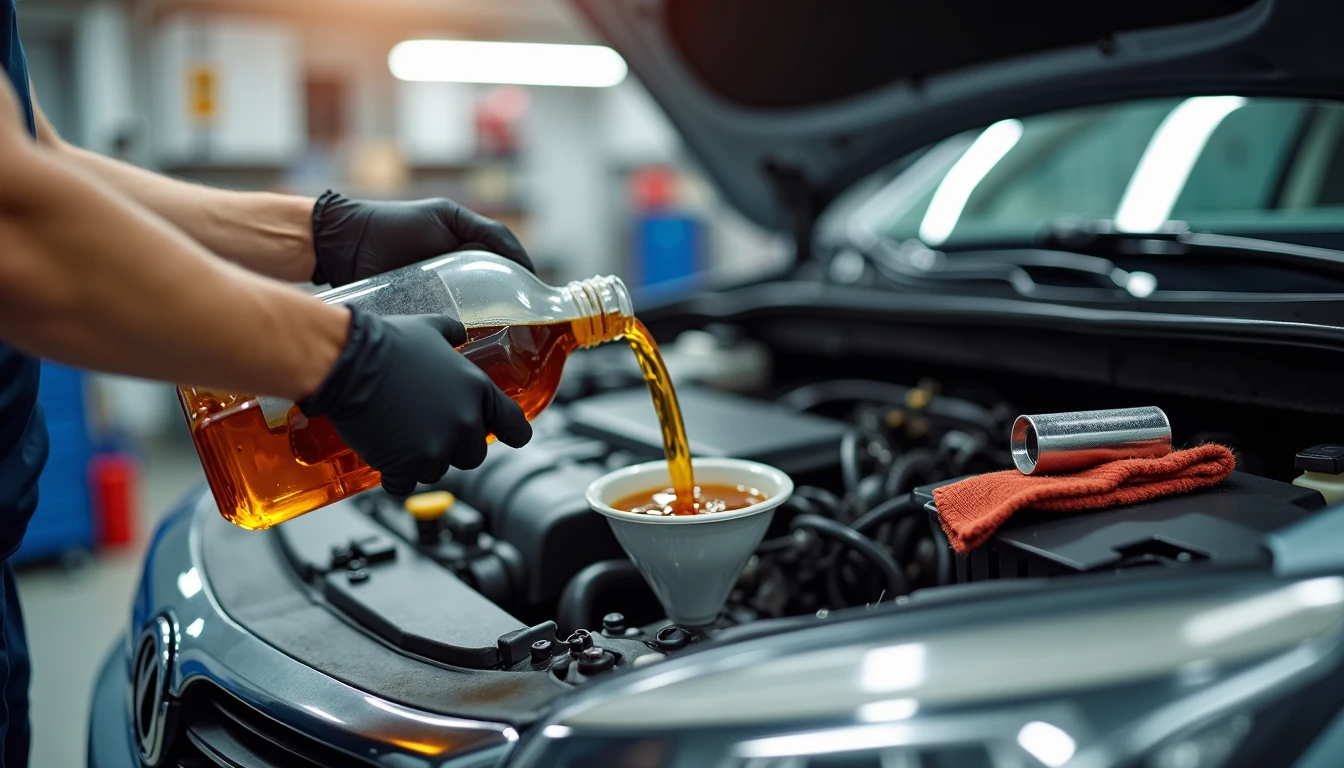
Regular oil changes (typically $25–$100) are cheap insurance against engine wear and costly repairs
Why This Matters (cost/safety/longevity payoff)
You’ve probably heard that oil changes are just a “quick lube upsell” or that you can ignore them until something feels wrong. Here’s what the data actually shows: engine oil is the only thing keeping thousands of metal-to-metal contacts from grinding themselves into expensive scrap. Skip oil changes long enough and you don’t just risk “dirty oil”—you risk accelerated wear, heat buildup, and sludge that can shorten engine life.
The practical payoff is simple: spending $25 to $100 on routine oil service is one of the most affordable ways to protect the most expensive component in your vehicle—your engine.
What You Need to Know (specs, types, intervals)
Typical cost range
According to the source, an oil change usually ranges from $25 to $100. That spread isn’t random—it mostly comes down to three real-world variables:
- Where you live: Higher cost-of-living areas typically mean higher shop labor and service prices.
- What oil you use: Conventional oil costs less; synthetic oil costs more because its additive system is engineered for protection and durability. Synthetic blends sit in the middle.
- Your vehicle’s year, make, and model:
- Some vehicles (especially newer or luxury models) may require full synthetic oil.
- Larger vehicles may take more oil, increasing cost.
Conventional vs. synthetic (what it means in the garage)
- Conventional oil: Less expensive, but generally not as long lasting as synthetic.
- Synthetic oil: Costs more, but is designed to reduce engine wear and tear.
- Important warning from the source: If your vehicle requires full synthetic, don’t substitute conventional oil—it may void your warranty.
Science Corner (why synthetics often protect better):
Oil isn’t just “slippery liquid.” Modern motor oil is base oil plus an additive package. Synthetic oils are formulated to stay more stable under heat and stress, and their additives are designed to help reduce wear and deposits. That’s why they often cost more—and why some engines are designed around them.
What an oil change service typically includes
During an oil change service described in the source, you generally get:
- A new oil filter
- Four to five quarts of your preferred oil (typical for many vehicles, per the source)
At Parra Car Care specifically, their oil change service includes the following checks and add-ons:
- Replace the old oil filter with a new one
- Lift the vehicle to drain dirty oil
- Inspect the in-cabin filter and engine filter
- Refill the engine with new oil
- Lubricate door hinges, chassis, hood, and other high-wear spots
- Add windshield washer fluid and coolant as necessary
- Inspect tire pressure, wiper blades, belts, and hoses
- Check other fluids, including power steering and brake fluid
Pro Tip: Ask what’s included before you authorize service. Some shops quote a low price for “oil and filter” and charge extra for inspections or top-offs. Knowing the checklist up front prevents surprises.
When to change your oil (no “one-size-fits-all”)
You’ve probably heard the 3,000-mile rule. Here’s what the source says: *every car’s different.* The correct move is to follow the maintenance schedule in your owner’s manual.
The source also lists practical warning signs that it may be time for an oil change:
- Loud or strange sounds
- Low oil levels on the dipstick
- Worse engine performance
- Dark oil that appears black
- An engine light that’s flashing or continually on
How It Works (what actually happens inside your engine)
Let me show you what actually happens inside your engine. Oil has three big jobs:
1. Lubrication: It forms a protective film between moving parts so they glide instead of grind.
2. Cooling: Oil carries heat away from loaded parts (like bearings and valvetrain components).
3. Cleaning/contaminant handling: Oil traps byproducts and debris so they don’t plate onto internal surfaces.
Over time, oil gets contaminated and depleted. That’s why an oil change isn’t just “fresh fluid”—it’s also a reset of the oil’s ability to protect.
What the shop does (translated into DIY-friendly logic)
Even if you don’t DIY, it helps to know what you’re paying for:
1. Vehicle is lifted so the oil can drain completely and safely.
2. Old oil is drained (this is where suspended contaminants leave with the oil).
3. Oil filter is replaced (critical—filters can load up and restrict flow).
4. New oil is installed (the right type matters: conventional vs. synthetic vs. blend).
5. Basic inspections/top-offs are performed (filters, fluids, tires, belts, hoses, etc., per the source list).
Pro Tip: Don’t ignore the dipstick between oil changes. The source specifically calls out low oil levels as a sign you may need service. Low oil level means less oil to carry heat and protect parts—bad combination.
Common Mistakes (myths, pitfalls, warnings)
Myth: “Oil changes are cheap, so the oil type doesn’t matter.”
Reality: The source is clear that newer cars might require full synthetic oil, and using conventional oil in that scenario may void your warranty. The correct oil type is part of the vehicle’s engineered requirements, not a preference.
Myth: “Just follow the 3,000-mile rule.”
Reality: The source states that while many people follow it, every car’s different. Your owner’s manual maintenance schedule is the baseline you should follow.
Mistake: Waiting for symptoms
The source lists symptoms like loud sounds, worse performance, and a flashing or constant engine light. Here’s the hard truth: by the time you feel performance changes or hear noise, you’re often late to the party. Use the manual schedule first; use symptoms as a “don’t delay” warning.
Mistake: Treating black oil as a standalone diagnosis
Yes, the source notes dark/black oil as a sign. Just understand: oil can darken as it does its job holding contaminants. Color alone isn’t a lab test—but if your oil is black and you’re overdue, that’s a practical reminder to service it.
Bottom Line (summary, recommended action)
Oil changes are one of the best maintenance bargains you can buy: typically $25 to $100 to keep your engine lubricated, cooled, and protected. Follow your owner’s manual maintenance schedule, choose the correct oil type (especially if your vehicle requires full synthetic), and don’t ignore warning signs like low dipstick level, odd noises, poor performance, black oil, or an engine light.