You've probably heard that any oil will do in a floor jack. Here's what the data actually shows: for an autocraft floor jack oil type question, the safe answer is usually a dedicated hydraulic jack fluid, not motor oil, brake fluid, or some mystery top-off from the shelf. A floor jack is a small hydraulic machine with tight check valves, seals, and a pump that depends on the fluid moving predictably. If the oil foams, thickens too much in the cold, or attacks the seal material, the jack gets lazy fast. It may lift slowly, lose pressure, or start weeping around the ram. If you remember one number from this post, make it this one: match the fluid to the hydraulic system, not to whatever happens to be nearby.
What fluid most floor jacks actually want
For an autocraft floor jack oil type, think hydraulic jack oil first. In practice, that usually means a light hydraulic fluid in the ISO 32 or similar range, often sold as jack oil or AW hydraulic oil. That fluid is built to flow through small pump passages, resist foaming, and protect metal surfaces under load. It is not the same thing as engine oil, even if both look amber on the shelf.
If the jack label or manual gives a spec, follow that. If it simply says hydraulic jack oil, that is the answer. If it names ATF, use ATF. Some jacks are tolerant of automatic transmission fluid because it has a relatively stable viscosity and anti-wear chemistry, but that does not make ATF a universal substitute. The point is to follow the jack's design, not a forum shortcut.
The easiest rule is also the safest one: if the fluid is intended for a hydraulic jack, it should be non-foaming, seal-compatible, and light enough to pump by hand when the garage is cold. That is why a dedicated jack oil beats a random bottle of 5W-30 every time.

Science Corner: why the wrong fluid changes lift feel
Hydraulic systems are simple in concept but picky in execution. The pump piston moves a small volume of fluid, the check valves trap that fluid, and the ram converts pressure into lift. When the fluid is too viscous, the pump has to work harder and the handle feels stiff. When it is too thin, internal leakage goes up and the jack sags sooner. When it foams, the pump starts compressing air bubbles instead of moving solid fluid, which gives you that spongy, inconsistent feel.
This is also why brake fluid is a bad idea in a floor jack unless the maker specifically says otherwise, which is rare. Brake fluid is glycol-based and hygroscopic, so it behaves differently from hydraulic jack oil and can create compatibility problems with seals and finishes. Motor oil is not ideal either. It is blended for crankcase conditions, not for a hand pump, check valves, and a reservoir that may sit unused for weeks. The detergent package, viscosity profile, and aeration behavior are simply not tuned for that job.
For anyone comparing options on a shelf, the phrase to watch is anti-foam. That matters more than glossy marketing copy. A proper jack fluid also needs decent low-temperature flow so the jack works on a chilly morning without making the handle feel like a pry bar.
How to refill or bleed the jack without creating more problems
Start with the jack fully lowered and on level ground. Clean the area around the fill plug so dirt does not fall into the reservoir. Remove the plug slowly and inspect the fluid. Clear amber fluid is a good sign. Dark sludge, a burnt smell, or a milky look means the reservoir has contamination or water, and a full drain is smarter than just topping off. If you are checking autocraft floor jack oil type during a repair, this is the moment to confirm what the jack actually wants before you add anything.
Add fluid in small amounts. Overfilling is a common mistake because the reservoir needs some air space. Once the level is correct, cycle the jack through a few full lifts and lowers to purge trapped air. Many jacks will need a little extra topping off after that first bleed because the internal passages were full of air and the fluid level drops as they clear. Keep the handle strokes smooth and controlled. You are trying to move fluid, not whip it into a latte.
If the jack still will not hold pressure after the bleed, the problem may be worn seals or a stuck release valve rather than low fluid. That is a mechanical issue, not a chemistry issue.
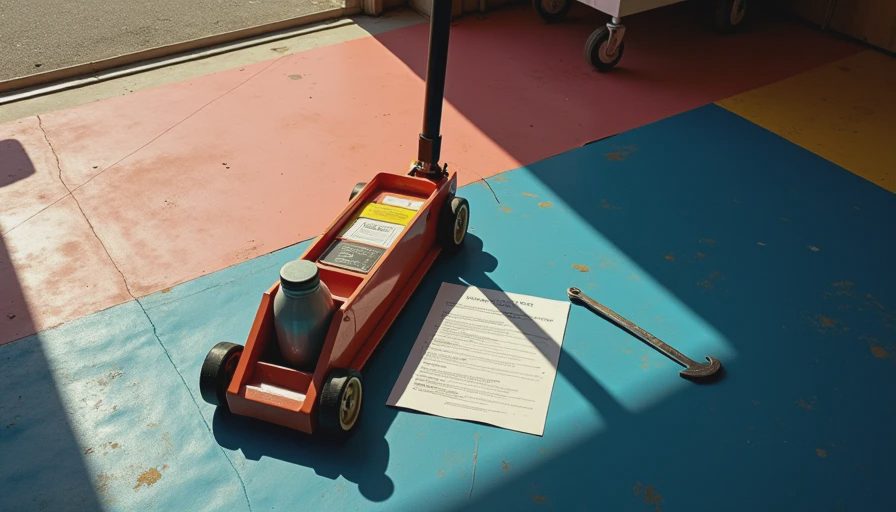
What low fluid and the wrong fluid look like in the real world
In the shop, the symptoms are usually easy to spot. A jack with low fluid lifts partway, then needs extra pumps to finish the job. A jack with aerated fluid may rise in little jerks instead of one smooth motion. A jack filled with the wrong product often works on day one and gets worse as temperature changes or as the seals start reacting to the fluid.
I have seen this pattern more than once with a decent-looking jack that was "fixed" using whatever oil was already on the bench. The immediate result was movement. The later result was a handle that took three times as many pumps and a ram that bled down overnight. Once the fluid was corrected to the right hydraulic grade and the air was purged, the jack returned to normal lift speed and held pressure better. That is the part most people miss: the wrong fluid can look like success at first.
If you are troubleshooting your own garage setup, do not assume the jack is done just because it feels weak. Check the reservoir level, look for leaks at the ram and fill plug, and inspect the release valve for debris. A clean fluid change fixes a lot of these cases. A seal kit fixes the rest.
A practical final check before you buy anything
If you are standing in front of the parts shelf and still wondering about autocraft floor jack oil type, use this decision rule: choose the fluid named in the jack manual, then choose a quality hydraulic jack oil or equivalent hydraulic fluid that matches that spec. Do not guess with brake fluid. Do not dump in engine oil because it is convenient. Do not mix fluids unless the maker explicitly allows it.
That is the practical answer for autocraft floor jack oil type. Read the spec, not the bottle, and your jack will usually lift smoother, hold pressure longer, and last a lot longer than the people who treat hydraulics like a junk drawer.



No letters yet — pray write the first.