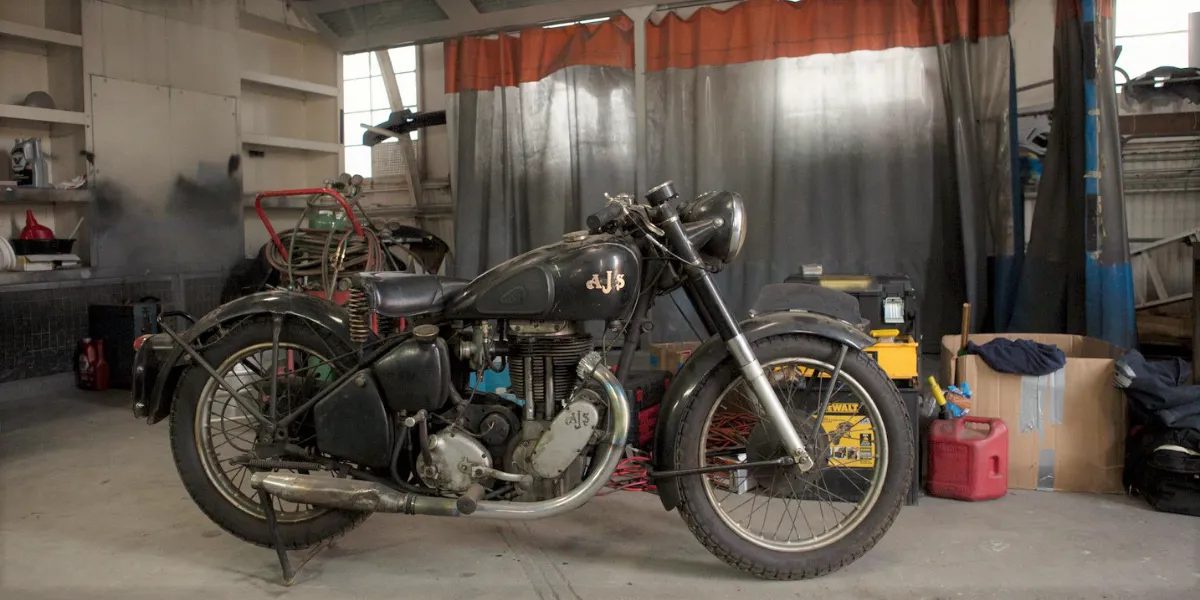
When the days grow shorter and a cold edge creeps into the air, the moment arrives to carefully ready your motorcycle for its long winter rest. Handing your cherished two-wheeled machine over to the cold season is never a decision made carelessly, and this is precisely where Valvoline's deep expertise proves its worth. Rooted in a legacy of motor oil and lubricant mastery, Valvoline serves as your trusted partner, making certain that your motorcycle not only weathers the winter dormancy but comes out the other side refreshed and primed to surge into spring. This guide is more than a checklist — it is a story about safeguarding a passion and honoring the lasting relationship between a rider and their machine.
Getting your motorcycle ready for winter storage is one of the most important tasks a rider faces, and choosing the correct motorcycle oil sits at the very center of that effort. As temperatures fall, engine oil takes on a pivotal role in shielding the engine throughout the extended inactive months ahead. Understanding how oil selection affects your motorcycle's long-term health can lead to meaningful differences in how the bike fares come spring.
Motorcycles are high-revving machines whose engines operate under considerably greater stress than those found in cars, which demands a purpose-built type of oil. Motorcycle oil is formulated specifically for these high-performance engines, delivering superior resistance to wear, elevated temperatures, and the buildup of deposits.
Throughout winter storage, the oil sitting inside your motorcycle's engine must maintain a protective film over internal components. This matters because oil gradually degrades over time — losing viscosity and diminishing its ability to lubricate and guard the engine effectively. The right oil holds onto its protective properties even while the bike sits idle, defending against the rust and corrosion that can quietly develop inside the engine.
Beyond its protective characteristics, the oil you select should be suited to the temperature range your motorcycle will encounter while in storage. In colder regions, a lower-viscosity oil may be the better choice, as it stays more fluid at reduced temperatures and allows efficient circulation when you fire up the engine after winter, avoiding unnecessary strain on internal components.
Finally, when you change the oil, take the opportunity to swap out the oil filter as well. A new filter ensures that any contaminants introduced to the oil during the storage period are properly trapped, keeping the oil clean and capable of doing its job when the riding season resumes.
The process of applying lubricant to your motorcycle before putting it away for winter is an essential step in maintaining the bike's integrity and ensuring it is ready when warmer weather returns. Lubrication is more than routine upkeep — it is a layer of protection for the bike's most exposed and vulnerable components. Give particular attention to:
These are the arteries that keep your motorcycle functioning. Coating these components thoroughly with a high-quality motorcycle lubricant is critical. It creates a shield against rust and corrosion, twin threats that can silently take hold during the inactive winter months.
Lubricating these parts also helps preserve their flexibility and responsiveness. The goal is not simply to apply a product — it is a forward-thinking step to prevent seizing and stiffness when spring arrives. A proper lubricant will additionally repel moisture, which is important because even inside a covered storage space, ambient humidity can cause gradual but serious harm.
Beyond the mechanical advantages, lubricating your motorcycle can become a mindful, deliberate process that lets you examine each component up close and confirm everything is in sound condition. This hands-on engagement with your bike deepens your connection to it and creates a natural opportunity to identify potential problems before they develop into costly repairs.
Keep in mind that the lubricant you choose matters just as much as the application itself. Select lubricants designed specifically for motorcycles, since these products offer the right chemical composition to handle the unique stresses placed on motorcycle parts. By investing this time and care into lubrication, you are not only preserving your motorcycle — you are laying the groundwork for a smoother, safer, and more rewarding ride once the snow melts.
As winter closes in, ensuring that your motorcycle's coolant system is properly prepared carries the same weight as any other maintenance task. Coolant — frequently overlooked in motorcycle care — plays a central role in your bike's overall condition, particularly during prolonged storage. Also known as antifreeze, coolant is indispensable not only for managing engine temperature but also for preventing the internal cooling system from freezing when temperatures plunge.
Begin by checking the coolant level in the reservoir. A low reading may point to a leak or gradual evaporation. Top it off as needed, but also examine the hoses and connections for signs of wear or seepage. Even a minor leak left untreated through winter can develop into a serious problem by the time spring arrives.
Equally important is the condition of the coolant itself. Over time, coolant can turn acidic and begin attacking the internal surfaces of the engine's cooling system, creating a real risk of corrosion. As you prepare your motorcycle for storage, treat it as essential to drain the old coolant and replace it with a fresh, premium-grade motorcycle coolant. This is not simply a fluid swap — it is a proactive defense against freezing temperatures and corrosive degradation, keeping your engine in strong condition through the winter months.
While changing the coolant, take the time to inspect the radiator and overall cooling system for debris or blockages. A clear radiator promotes efficient thermal management, which becomes important the moment you start the engine after storage. Also, be sure to select a coolant that matches your motorcycle's specifications. Motorcycles have distinct cooling system requirements from cars, so use a motorcycle-specific coolant or a compatible multi-vehicle formula that delivers the right combination of freeze protection and heat absorption.
Caring for the battery is an integral part of preparing your motorcycle for winter storage. A neglected battery can drain completely and sustain permanent damage while the bike sits through the off-season. Avoiding these issues comes down to following a few key steps:
Begin by identifying the type of battery your motorcycle uses. Conventional lead-acid batteries call for different handling than modern gel or lithium units. Regardless of chemistry, storing the battery at a full charge is essential. A fully charged battery resists the complete discharge that triggers sulfation and shortens battery life.
For longer storage periods, the best practice is to disconnect the battery from the motorcycle entirely. Keep it in a cool, dry location away from direct sunlight and temperature extremes. This eliminates the gradual self-discharge that naturally occurs when the battery remains connected to the bike.
A trickle charger or battery maintainer can offer significant benefits during this period. These devices deliver a slow, steady charge that keeps the battery at an ideal state without the risk of overcharging. Make sure to use a charger matched to your specific battery type to ensure both safety and effectiveness.
Check on the battery periodically throughout the winter. Look for any visible signs of damage, corrosion, or leakage. For conventional lead-acid batteries, verify that electrolyte levels are sufficient and top up with distilled water if they have dropped.
Tyre care is a critical element of winter storage preparation that is often given less attention than it deserves. Start by cleaning the tyres thoroughly — remove any debris, dirt, or small stones embedded in the tread, as these can slowly degrade the rubber over months of storage.
Inflating the tyres to the correct pressure before storage is equally important. Tyres gradually lose air while sitting idle, which can result in flat spots or irregular wear patterns. Consult your motorcycle's manual for the manufacturer-recommended tyre pressure and set them accordingly. This straightforward step can meaningfully extend the service life of your tyres.
For the best protection, raise your motorcycle off the ground using a stand. Eliminating the weight and pressure on the tyres prevents flat spots, a common outcome when a bike sits in one position throughout a long storage period. If a stand is unavailable, turning the tyres at regular intervals during storage is a workable substitute.
Examine your tyres closely for wear, cracks, or damage. Cold temperatures can worsen existing issues, so dealing with them before storage is the sensible course. If the tyres are approaching the end of their usable life, replacing them before putting the bike away means you can enter the new season with fresh rubber — and with the safety and performance that comes with it.
Applying a tyre protectant is also a worthwhile measure. A good-quality protectant helps keep the rubber conditioned and prevents it from drying out or cracking during storage. Take care to select a product formulated for motorcycle tyres, as certain chemicals can break down rubber or compromise traction.
Protecting your motorcycle's fuel system during winter storage is essential for maintaining both performance and longevity. Start by filling the tank with fresh fuel. A full tank minimizes the air space inside, which reduces the chance of moisture condensing on the tank's interior walls — a particular concern with metal tanks where condensation can lead to rust and corrosion.
Once the tank is full, adding a high-quality fuel stabiliser is a necessary next step. Fuel degrades and oxidizes over time, producing varnish and gum deposits that can clog fuel lines and injectors. A stabiliser halts this breakdown, keeping the fuel viable and ready for use when the motorcycle comes out of storage. Follow the manufacturer's dosage instructions to add the correct amount.
After introducing the stabiliser, run the engine for several minutes. This allows the treated fuel to circulate through the carburettor or fuel injectors and into the engine, ensuring that the full extent of the fuel system — not just the tank — is protected from the harmful effects of stale fuel.
On motorcycles equipped with carburettors, draining the float bowls is a worthwhile precaution. Residual fuel left in the carburettor can degrade and cause blockages or corrosion over time. While you are at it, inspect the fuel lines and filters. Cracked or deteriorated lines are best replaced before extended storage, and a clean fuel filter keeps contaminants out of the fuel supply throughout the off-season.
Finally, give thought to where the motorcycle is stored. Wide swings in temperature can alter fuel properties and accelerate degradation. Keeping the bike in a controlled environment away from direct sunlight and harsh cold goes a long way toward maintaining fuel stability through the winter.
As the final steps of winterisation are completed and your motorcycle stands ready for its seasonal rest, take a moment to reflect on the ride ahead. With Valvoline's trusted products working through every system, your motorcycle is not merely prepared — it has been given exceptional care. When the first signs of spring emerge and the open road calls again, you will return to a machine that has been preserved at the highest standard, a result of your diligence and Valvoline's unmatched quality. This winterisation process is more than a seasonal obligation — it is a tradition that strengthens the bond between rider and machine and sets the stage for many more miles of rewarding rides.
Choosing Valvoline for your motorcycle means placing your machine in the hands of a brand built on a deep legacy of excellence in motor oil and lubricants. Valvoline's advanced formulations are engineered specifically to improve the performance and extend the life of your motorcycle. From our premium motorcycle oil, which delivers optimal engine protection, to our full range of specialty fluids that keep every system running at its best, Valvoline consistently meets the highest standards the industry demands. With Valvoline, you gain a committed partner dedicated to your motorcycle's health and performance — ensuring that every ride feels as thrilling as the very first.




No letters yet — pray write the first.