You've probably heard that every brake noise means the pads are worn out. Here's what the data actually shows: a brake caliper can create noise even when the friction material still looks usable. If you are asking, "what does a bad caliper sound like," pay attention to when the sound happens, whether it changes with pedal pressure, and whether one wheel runs hotter than the others. Those clues are more useful than guessing from one brief squeak.
A failing caliper is a safety concern, not merely an annoying rattle. The caliper clamps the brake pads against the rotor and must release when you lift your foot. If it sticks, binds, leaks, or has loose hardware, the vehicle can pull to one side, waste fuel, damage the rotor, or lose braking performance. Drive gently to a repair facility only if braking still feels normal; a soft pedal, smoke, severe pulling, or a burning smell calls for a tow.
What does a bad caliper sound like on the road?
The most common sound is a steady scraping or light grinding from one wheel. It often follows vehicle speed rather than engine speed, so the pitch rises as the car accelerates. A sticking caliper may keep the pad touching the rotor after you release the pedal. At low speed, you might hear a metallic shhh-shhh that becomes harder to notice on the highway.
A clunk is a different clue. Loose caliper bolts, worn guide-pin boots, missing clips, or improperly seated pads can let brake hardware move when you apply or release the pedal. The noise may occur once during forward motion and again when backing up. A sharp squeal can come from pad vibration, while a repeated click may point to pad movement or damaged retaining hardware rather than a hydraulic failure.
The key question is not just what does a bad caliper sound like, but whether the noise follows braking behavior. A noise that disappears when you lightly touch the brake pedal deserves inspection. A noise that continues after the pedal is released suggests drag. Tire tread, wheel bearings, a bent dust shield, and a rock caught near the rotor can imitate caliper trouble, so a diagnosis should include those parts.
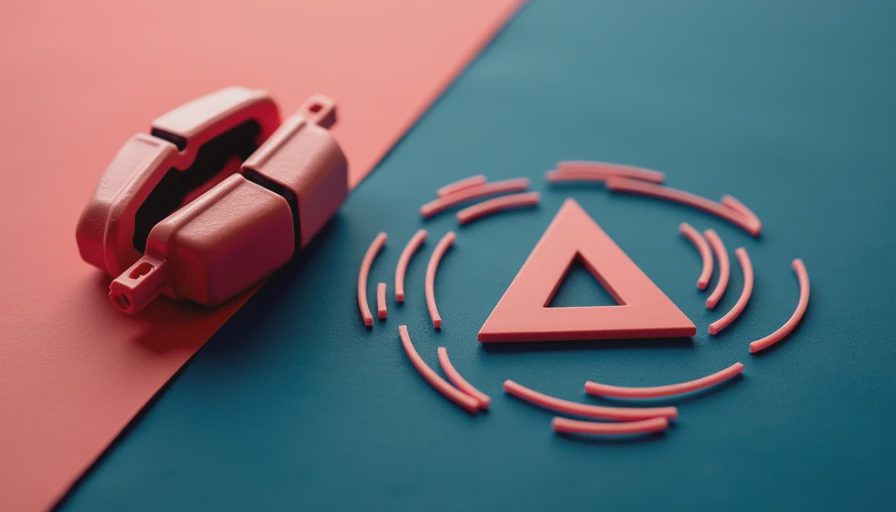
Science Corner: why a caliper makes noise
A disc-brake caliper uses hydraulic pressure to move a piston. When you press the pedal, brake fluid transfers force through the lines. The piston pushes the inner pad, while the caliper body slides or flexes so the outer pad contacts the rotor. When pressure falls, the piston seal and pad hardware should allow a small release.
Rust, contaminated brake fluid, corrosion on guide pins, or a damaged piston seal can interrupt that movement. The pad then stays in contact with the rotor, converting motion into heat. That heat can harden or glaze the pad surface, discolor the rotor, and boil moisture in the fluid under severe conditions. Unlike motor oil, brake fluid is not selected by SAE viscosity grade; it must meet the vehicle's specified DOT classification and be kept free of contamination.
If you remember one number from this post, make it this one: a temperature difference between wheels is a useful warning. Do not touch a recently driven rotor or caliper. Instead, compare the amount of heat radiating from each wheel carefully, or use an infrared thermometer. A substantially hotter wheel than its opposite partner supports the possibility of brake drag, but it does not identify the failed component by itself.
Safe checks before you schedule repair
Start with a short, low-traffic drive. Notice whether the vehicle pulls left or right during braking, whether the steering wheel shakes, and whether the sound changes when you coast in neutral where safe. Do not place any body part near a moving wheel. After parking, look through the wheel spokes for a visibly scored rotor, uneven pad thickness, or blue and purple heat marks.
Compare front and rear wheel temperatures without touching metal. A strong burning odor, smoke, fresh brake-fluid leakage, or a wheel that is too hot to approach means the vehicle should not continue under its own power. If the pedal feels spongy, the car requires more stopping distance, or the brake warning light is on, arrange a tow.
A home inspection can confirm symptoms, but caliper service requires proper lifting equipment, wheel chocks, and torque specifications. A professional should inspect piston movement, guide pins, pad clips, hose condition, rotor thickness, and brake-fluid condition. Replacing only the noisy pad can leave the underlying drag in place and ruin the replacement part.
Common repairs and realistic costs
A basic caliper diagnosis commonly takes less than an hour, although seized hardware can add labor. Cleaning and lubricating suitable guide-pin surfaces may cost roughly $100 to $250 per axle, depending on access and local labor rates. A remanufactured or new caliper often adds about $150 to $450 per wheel, with pads and rotors increasing the total. Premium performance hardware can cost substantially more.
If the rotor has been overheated, machining may not be appropriate; replacement is often the safer repair. A brake hose with an internally damaged liner can act like a one-way valve, trapping pressure and mimicking a stuck caliper. That is why a proper estimate should identify the failed part instead of selling a complete brake package automatically.
A caliper problem is not an excuse to choose a thicker motor oil or an aftermarket oil additive. Lubricant belongs in the engine, while brake hydraulics depend on the correct brake fluid and clean, compatible components. Read the service specification, not the bottle's marketing language.
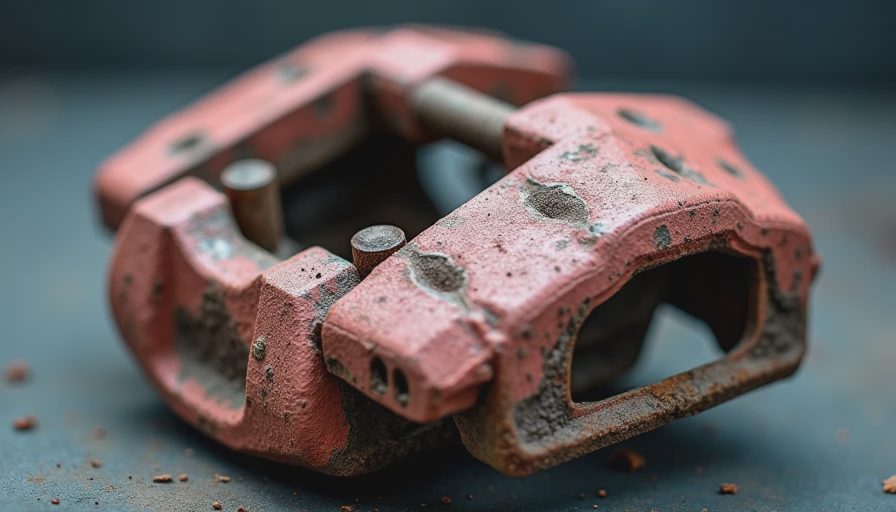
Does a bad caliper affect insurance or resale value?
Mechanical brake failure is generally a maintenance issue, not a routine comprehensive or collision claim. Insurance typically covers sudden damage from a covered event, such as a crash, while ordinary wear, corrosion, and neglected repairs are commonly excluded. If a dragging caliper contributes to a collision, coverage questions depend on the policy, facts, and applicable state rules. Take photos, keep invoices, and report an incident promptly if a claim is appropriate.
From a resale perspective, documented brake repairs help more than vague assurances. Save the inspection report showing caliper condition, rotor measurements, pad thickness, and fluid service. A buyer is more likely to trust a dated invoice from a repair shop than a statement that the noise simply went away.
What does a bad caliper sound like after repair?
A correctly repaired brake should produce only normal, brief friction noise during light use. Some new pads need a careful bedding procedure, and a faint initial squeak does not automatically indicate failure. However, persistent grinding, a hot-wheel odor, repeated clunking, or renewed pulling means the work needs to be reviewed.
Ask the shop what caused the noise, which parts were replaced, and whether the opposite side was inspected. Calipers are often replaced in pairs when condition or mileage makes that sensible, but the correct decision depends on measured wear and the vehicle design. Do not accept a blanket rule that every brake component must be replaced without an explanation.
When people search what does a bad caliper sound like, they usually want a quick yes-or-no answer. The honest answer is that scraping, grinding, clunking, and persistent squealing can all occur, but sound alone cannot prove the diagnosis. Match the noise to heat, pulling, pedal feel, and visible wear. If those symptoms point toward brake drag, stop treating it as a harmless squeak and arrange an inspection before a small repair becomes a rotor, hose, or collision bill.




No letters yet — pray write the first.