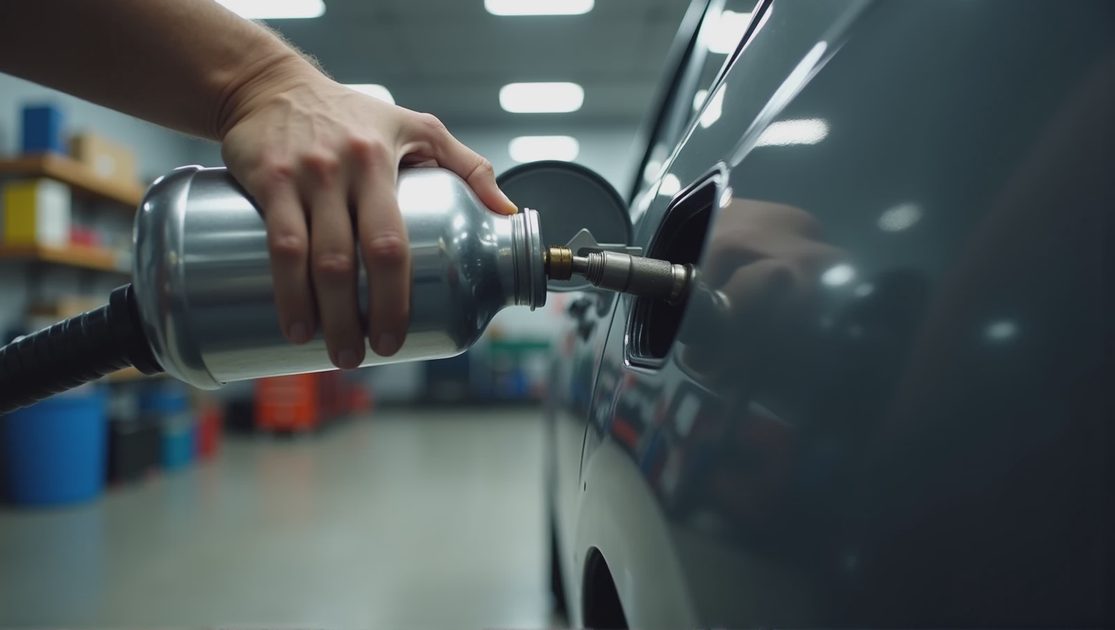
Save your engine from carbon buildup by choosing the right fuel cleaner strategy today
You've probably heard that pouring a single bottle of cleaner into your gas tank will fix your rough idle and restore lost power. Here's what the data actually shows from real-world testing and user logs: one can usually doesn't do much. As a petroleum engineer, I look at the chemistry, not the marketing. Let me show you what actually happens inside your engine when you try to clean carbon deposits with aftermarket additives.
Why This Matters
Ignoring fuel system contamination isn't just about a rough idle. Users report symptoms like pinging and stalling off the line, specifically noted in older engines like the 4.0 Jeep. If left unchecked, carbon buildup on valves and pistons compromises combustion efficiency. While a full engine rebuild costs thousands, preventative maintenance using the right fluids protects those critical surfaces. The goal isn't just to fix a problem, but to maintain valve and piston cleanliness over the long term.
What You Need to Know
The market is flooded with options, but community testing highlights a few specific players. Based on forum discussions and field tests, these are the products users encounter most often:
- Gumout Multi-System Tune Up: Often cited for newer engines.
- Redline SI-1: A frequent choice for repeated treatments.
- Seafoam: Noted by YouTube testers like ChrisFix for decent results.
- Chemtool: Another option where users have seen decent results.
However, the most significant data point isn't a bottle at all. Studies indicate that Top Tier fuel has the biggest impact on valve and piston cleanliness. This fuel contains a higher concentration of detergent additives built into the gasoline itself, working overtime to prevent deposits before they start.
How It Works
When you pour a cleaner into your tank, you are introducing solvents designed to dissolve hardened carbon.
Science Corner: Fuel injectors operate with tight tolerances. Deposits form from heavy hydrocarbons left behind when fuel evaporates. Cleaners use aromatic solvents to re-liquify these deposits so they can burn off during combustion. However, concentration matters. A single 12-ounce bottle diluted in 15 gallons of fuel creates a weak solution.
To achieve a concentration strong enough to strip stubborn carbon, most people run several cans through before they notice a change. This cumulative effect increases the solvent concentration over multiple tank cycles, allowing the chemistry to work on thicker buildup without overwhelming the engine's management system.
Common Mistakes
There are plenty of myths circulating in garage forums that need to be debunked with data, not opinions.
Myth: One Bottle is a Magic Fix
Despite what the label claims, a single treatment is rarely sufficient for established deposits. Users report needing multiple cans to see tangible improvements in performance. Expecting immediate results from one dose leads to disappointment.
Myth: Cleaners Always Damage Catalytic Converters
A common question raised by owners is whether these additives can damage your catalytic converter. While some harsh solvents theoretically could harm sensitive emissions components, the products listed above are generally formulated to be safe when used as directed. However, excessive use of strong solvents without proper dilution risks overwhelming the system.
Pro Tip: Don't rely solely on aftermarket bottles. The most effective strategy is consistent use of Top Tier fuel. It works overtime to keep the system clean, reducing the need for aggressive chemical cleaning later.
Bottom Line
If you are experiencing pinging or stalling, a dedicated cleaner like Redline SI-1 or Seafoam used over several tanks may help restore performance. However, for long-term health, the data shows that fuel quality matters more than corrective bottles. Switch to Top Tier fuel to maintain valve and piston cleanliness proactively. Save the heavy-duty cleaners for when you actually notice a change in performance, and be prepared to run several cans through the system to get the job done right.