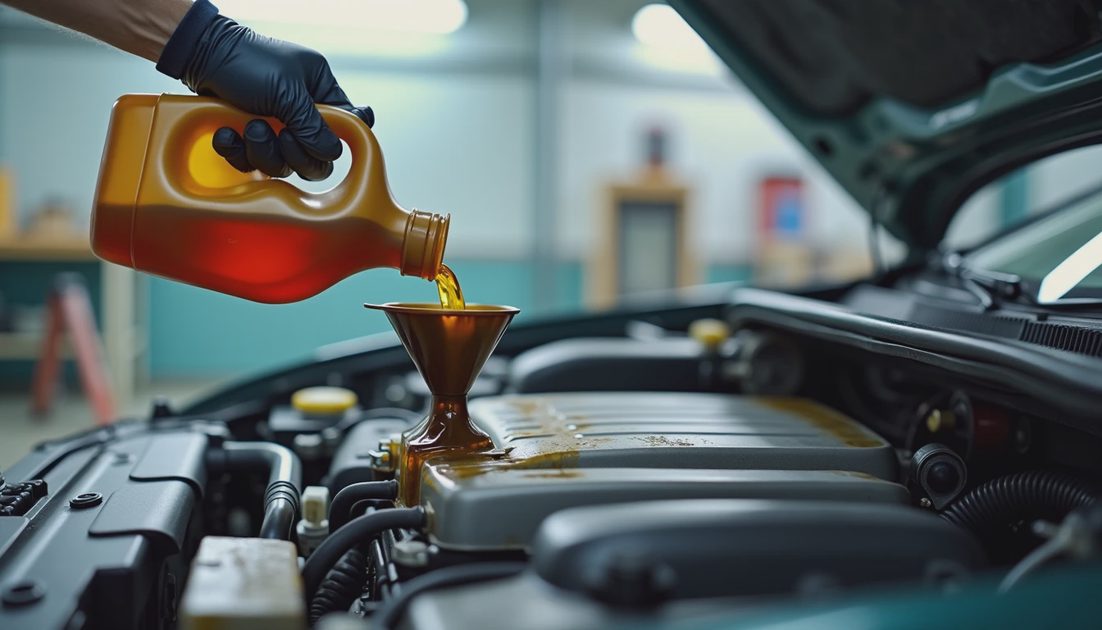
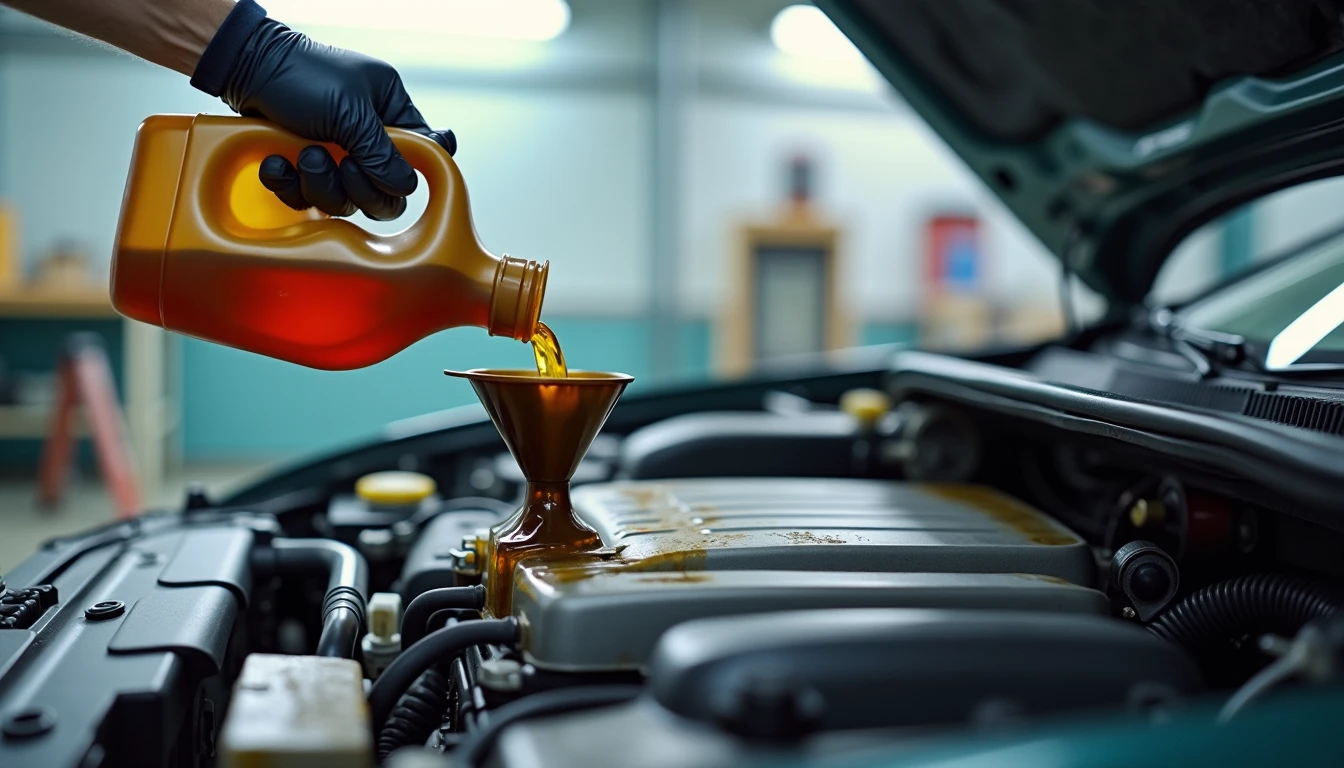
Stop oil myths now: using the right oil and change schedule can save your engine from early wear
Why This Matters (cost/safety/longevity payoff)
You’ve probably heard that “thicker oil is better in summer” or “oil lasts forever if it still looks clean.” Here’s what the data actually shows: those myths can accelerate wear in bearings, load up your filter, and leave sludge and deposits behind. In plain garage terms, the wrong oil and the wrong interval can turn a healthy engine into one that burns oil, knocks, or loses oil pressure long before its time.
The practical payoff is simple: use the oil viscosity grade your automaker specifies, change it on time (or at least annually), and replace the oil filter every oil change. That keeps the lubrication system clean and protected, especially on newer engines that often run lower-viscosity oils like 5W-20 and 0W-20.
What You Need to Know (specs, types, intervals)
1) Viscosity grades: what “5W-20” really means
Viscosity is how thick the oil is at a given temperature. A multigrade like 5W-20 is designed to act like:
- 5-weight oil when cold (for better cold-flow at startup), and
- 20-weight oil when hot (for protection at operating temperature)
This isn’t magic—it’s chemistry and additives working as designed. The key takeaway from the source: use the oil specified for your year, make, and model. Don’t freelance based on seasons.
Also, don’t overthink ambient temperature. Engine oil typically runs upwards of 90 degrees Celsius (200 degrees Fahrenheit), so once you’re at operating temp, outside weather matters far less than people think.
2) Oil is base oil + additives, and neither lasts forever
Per the source, engine oil is made of:
- At least 70% petroleum or synthetic base oil, plus
- Up to 30% additives
Those additives are the “helpers” that keep the oil working under heat and contamination. They don’t last forever.
3) Change intervals are usage-based (not a single magic number)
You’ll see the myth: “Change your oil every 5,000 kilometres no matter what.” Reality: start with the interval recommended for your vehicle, then adjust based on how you drive.
From the source:
- Lots of highway miles: intervals may be 8,000, 12,000, or 16,000 kilometres
- City driving, short trips, towing/hauling (severe service): usually 5,000 or 8,000 kilometres
- If you don’t hit the mileage interval: get an oil change at least annually
4) Replace the oil filter every oil change
A quality oil filter helps prevent particles from circulating through the lubrication system. The source warns that skipping filter changes risks overloading, overpressure, and unfiltered oil running through the engine.
How It Works (what actually happens inside your engine)
You’ve probably heard that if you can’t feel grit between your fingers, the oil is fine. Here’s what actually happens inside your engine.
Step 1: Heat and oxygen start changing the oil
Inside a running engine, oil sees high heat and constant exposure to oxygen. Over time the oil oxidizes and acidifies, and that leads to deposits. Think of it like cooking oil that’s been overheated repeatedly—it doesn’t stay “fresh.”
Science Corner: Oxidation is a chain reaction where oxygen attacks hydrocarbons in the base oil, forming more reactive compounds. Those can polymerize into varnish and sludge-like deposits. Additives are designed to slow this down, but they get used up.
Step 2: Additives get consumed, oxidize, or evaporate
The source is blunt: in a “violent engine environment,” additives oxidize and evaporate, leaving the base oil behind without the additive’s benefits. That’s why “oil lasts forever” is a myth—even if it still looks okay on the dipstick.
Step 3: Tiny particles you can’t feel still cause damage
The source calls out particles as fine as 0.005 in—too small to detect by hand—yet still capable of damaging bearings, especially in newer engines using 5W-20 and 0W-20 oils.
Pro Tip: Don’t use the “rub it between your fingers” test to judge oil condition. Your fingers aren’t a lab instrument, and modern wear particles can be too small to feel but still large enough to do real damage.
Step 4: The oil filter is the bouncer at the door
A quality filter traps contaminants so they don’t recirculate. If you keep running the same filter too long, it can become overloaded, and the system can end up with overpressure or, worse, unfiltered oil circulating. That’s why the source recommends replacing the oil filter every oil change.
Step 5: Gear oil is not engine oil—don’t mix jobs
The source addresses a common “it’s all oil” mistake: engine oil is not a replacement for gear oil in a differential. Engine oil has a lower shear point, which can lead to premature wear.
Science Corner: Gear sets in differentials are heavy-duty sliding/rolling contacts. They need a lubricant that can maintain a protective film under extreme pressure and shearing forces. The source sums it up perfectly: gear oil sticks while engine oil flows.
Common Mistakes (myths, pitfalls, warnings)
- Myth: “Heavy oil for summer, light oil for winter.”
Fact: Use the oil specified for your vehicle. Multigrade 5W-20 is already engineered to behave appropriately cold vs. hot.
- Myth: “Oil lasts forever.”
Fact: Oil oxidizes and acidifies, additives get depleted, and deposits form. Change your oil on time.
- Myth: “If I can’t see grit, the oil is clean.”
Fact: Particles down to 0.005 in can still harm bearings. Use a quality oil filter and change it every oil change.
- Myth: “Everyone should change oil every 5,000 kilometres.”
Fact: Your interval depends on use. Highway may be 8,000–16,000 kilometres; severe service is often 5,000 or 8,000 kilometres; and change it at least annually if you don’t hit mileage.
- Myth: “Engine oil can substitute for gear oil.”
Fact: Different job, different properties. Engine oil can cause premature differential wear.
Bottom Line (summary, recommended action)
Use the oil your automaker specifies (for example, 5W-20 where required), change it at the interval appropriate for your driving (from 5,000 kilometres severe service up to 16,000 kilometres for lots of highway driving), and change it at least annually if you don’t reach the mileage. Replace the oil filter every oil change, because filtration is what protects bearings from particles as small as 0.005 in. And never substitute engine oil for gear oil in a differential—those lubricants are built for totally different loads and shear forces.