You've probably heard that Prolube oil treatment can quiet a noisy engine, improve lubrication, and even restore lost performance. Here's what the data actually shows: an aftermarket oil treatment can alter an oil's chemistry, but it cannot repair worn metal, restore a damaged bearing, or replace the motor oil specification required by your owner’s manual. The useful question is not whether the bottle sounds persuasive. It is whether its chemistry fits the engine, oil, operating temperature, and problem you are trying to solve.
I have spent years formulating lubricants, and the first rule remains simple: read the spec, not the bottle. Start with the engine maker’s required viscosity, such as SAE 0W-20 or 5W-30, and the required performance category, such as API SP or an applicable ILSAC standard. Then decide whether an additive has a measurable job to perform.
What Prolube Oil Treatment Is Designed to Do
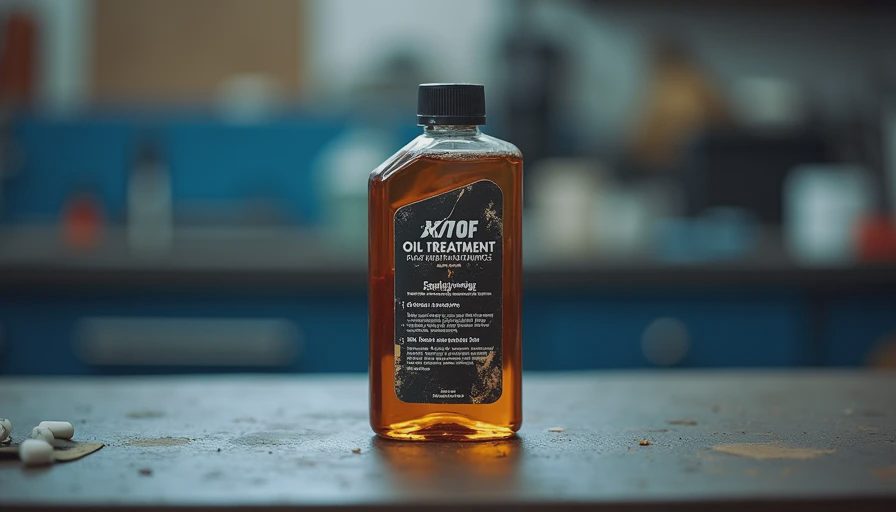
Prolube oil treatment is an aftermarket additive product intended to be mixed with engine oil. Products in this category commonly use some combination of friction modifiers, detergents, dispersants, anti-wear chemistry, seal conditioners, and viscosity-adjusting components. The exact formula matters, and marketing language alone does not reveal the concentration or compatibility of those ingredients.
A finished motor oil is already a carefully balanced formulation. The base oil provides the fluid body, while the additive package controls oxidation, deposits, corrosion, foam, wear, and contamination. Adding another product changes that balance. Sometimes the change is harmless. Sometimes it can dilute the original package or move the final viscosity away from the grade printed on the bottle.
Science Corner: friction modifiers work by reducing sliding resistance at certain metal interfaces. They do not create horsepower out of nowhere. A small reduction in friction can be useful, but the result depends on load, temperature, surface finish, additive concentration, and the original oil. A treatment cannot overcome a failing oil pump or an engine with severe mechanical wear.

Check the Oil Specification Before the Additive
Before using Prolube oil treatment, write down the vehicle’s required oil grade and performance approval. The specification may appear in the owner’s manual, under the hood, or in a manufacturer service document. A modern turbocharged engine, for example, may need more than a familiar viscosity label. It could require a particular API category, dexos approval, low-ash formulation, or a specific European manufacturer standard.
That requirement still applies after an additive goes into the crankcase. If the manual calls for an oil carrying a current API performance category, begin with an oil that meets it. Do not treat an unapproved conventional oil as equivalent simply because a supplement lists anti-wear ingredients on its label.
If your vehicle is under a factory warranty, an unapproved additive can complicate a lubrication-related claim even when the engine problem was unrelated. Keep the receipts, record the mileage, and follow the product’s mixing instructions. Never exceed the crankcase capacity by pouring additive on top of a full oil fill. Removing an equal volume first is the basic mechanical step many people overlook.
What an Oil Treatment Cannot Fix
Prolube oil treatment cannot correct low compression caused by broken rings, restore a wiped camshaft lobe, or repair a leaking rear main seal. It also cannot compensate for the wrong oil level. If the dipstick is dry, the priority is finding the leak or consumption problem and adding the correct oil, not experimenting with an additive.
A quiet engine after treatment is not automatically proof of reduced wear. Thicker fluid can sometimes damp noise, especially during warm operation, but increased viscosity can also make cold cranking harder. In a tight-clearance modern engine, that tradeoff may be undesirable. A change in sound is a symptom observation, not a laboratory wear result.
For an engine using oil, check the level on level ground at the interval recommended in the manual. Look for blue exhaust smoke, oil in the intake system, external leaks, and a low oil pressure warning. Those clues tell you more about the underlying condition than a short-term change in idle noise.
A Practical Way to Evaluate Prolube Oil Treatment
Use a controlled approach if you decide to test Prolube oil treatment. First, photograph the odometer, oil level, and service receipt. Second, use the same fuel and driving pattern as much as reasonably possible. Third, record cold-start noise, warm idle behavior, oil consumption, and any warning lights. Avoid changing the oil brand, filter, fuel, and additive at the same time because you will not know which change produced the result.
For a more useful comparison, establish a baseline over one normal oil interval. Measure how much oil the engine consumes between the same marks on the dipstick. Then use the treatment only at the labeled concentration and monitor the next interval. A used-oil analysis can measure viscosity, oxidation, fuel dilution, wear metals, and contaminants. It cannot prove that one bottle caused every change, but it provides better evidence than a subjective “smoother” feeling.
Science Corner: laboratory wear-metal results require context. Iron, aluminum, copper, and lead can rise because of break-in, contamination, sampling differences, or mechanical damage. One sample is a snapshot. A trend from repeated samples is much more informative.
Compatibility, Risks, and Common Mistakes
The main risk with Prolube oil treatment is not that every additive is automatically harmful. The risk is using an unknown chemistry in an application with narrow requirements. A treatment that contains a viscosity modifier can affect cold-flow behavior. A high-detergent formula can loosen deposits that were helping a marginal seal hold back oil. An additive containing metallic compounds may influence ash levels, emissions equipment, or used-oil test results.
Do not mix several treatments together, add a product to transmission fluid unless it is specifically labeled for that purpose, or use an engine flush as a routine substitute for maintenance. Keep the bottle away from children and dispose of drained oil through a proper recycling or collection program. If the engine is noisy because of low pressure, stop driving until the pressure is tested with a mechanical gauge.
The sensible comparison is between a treatment and a well-specified finished oil, not between two pieces of advertising. Compare API licensing, SAE viscosity, manufacturer approvals, base-oil type, change interval, and price per quart. An additive may cost $8 to $20, but that cost does not matter if the oil itself is overdue, the filter is poor, or the engine has a mechanical fault.
Should You Use It?
Prolube oil treatment may be reasonable for an owner who understands the formula, follows the dosage, and has a specific goal that does not conflict with the vehicle’s requirements. It is a poor substitute for diagnosing oil pressure, correcting the oil level, replacing a clogged filter, or selecting the correct API category.
My approach is conservative: use a quality oil that meets the manual, maintain the proper level, change it on a realistic schedule, and investigate symptoms before masking them. If you still want to evaluate Prolube oil treatment, document the baseline and judge the result by oil analysis or measured consumption rather than a louder or quieter first impression.
If you remember one number from this post, make it this one: zero is the number of additives that can override the engine manufacturer’s required specification. The bottle can be interesting chemistry, but the specification is the evidence that matters. Read the spec, understand the additive package, and let the engine’s data—not the marketing promise—make the decision.





No letters yet — pray write the first.