You've probably heard that more zinc always means better protection. Here's what the data actually shows: the zddp oil additive purpose is narrow but important. It is not a magic upgrade, and it is not needed in every engine. In the right place, though, ZDDP can protect cam lobes, lifters, and other parts that spend time under boundary lubrication, where the oil film is too thin to keep metal surfaces fully apart. If you are comparing oils in the store, that is the first thing to understand before you start chasing a bigger number on the label.
Science Corner: ZDDP stands for zinc dialkyldithiophosphate. Under heat and pressure, it breaks down into a thin sacrificial film on the surface. That film helps reduce scuffing and adhesive wear. In a lab tribometer, the chemistry shows up when load is high, speed is low, and the oil film is squeezed. That is why ZDDP became famous in older flat-tappet engines, not because it makes every engine better, but because some valvetrain designs ask for that chemistry.
What ZDDP does at the metal surface
At the contact patch, the additive is not acting like a thick cushion. It is reacting. A small amount of phosphorus and zinc compounds reach the hot asperities, decompose, and form a phosphate-rich tribofilm on the steel. That film is sacrificial, which means it wears first and helps spare the cam lobe or lifter face underneath. This is boundary lubrication, not the easy life of a fully pressurized hydrodynamic film. Once you understand that difference, a lot of oil marketing gets easier to ignore. A modern passenger car engine with roller followers, correct viscosity, and an API SP or ILSAC GF-6 oil often has everything it needs already. Read the spec, not the bottle.
The real zddp oil additive purpose in older valve trains
Older pushrod engines with flat-tappet cams, higher spring loads, or a fresh rebuild are where this chemistry earns its keep. During break-in, the cam and lifter faces have not fully mated, so the protective film matters more than it does in a roller-cam commuter car. That is also why break-in oils are formulated for short service and high anti-wear demand instead of long drain intervals. If you are dealing with a classic small-block, a vintage pickup, or a performance engine that lives near the top of the tach, the right anti-wear package can matter more than a flashy viscosity claim. If the engine is a modern daily driver, the discussion usually moves down the priority list.

How to read the spec sheet before you add anything
The bottle front is not where the truth lives. The product data sheet is better, and the used-oil analysis is better still. Look first for the viscosity grade, then for the API service category, then for OEM approvals if the manufacturer publishes them. A current passenger car oil may list API SP and ILSAC GF-6, which tells you the package was balanced for wear, deposits, oxidation, and emissions-system compatibility. If the oil does not carry that language, that does not automatically make it bad; it just means it is designed for a different job. Additive packages are systems. ZDDP, detergents, dispersants, friction modifiers, and anti-oxidants all have to get along. One ingredient pulled higher or lower changes the whole balance.
Why more is not always better
This is where enthusiasts can overcorrect. More zinc is not a straight line to more protection. Once the engine design no longer needs that much anti-wear chemistry, extra phosphorus can start to create tradeoffs in deposit control and catalyst life. Many current passenger-car oils sit in a moderate phosphorus range because the formula has to protect the engine, protect the aftertreatment system, and survive the drain interval. Some specialty oils run higher, but higher is not automatically superior. If a bottle claims a big number and nothing else, I get suspicious. A balanced oil with the right viscosity and certification is usually a better answer than a loud additive claim with no context. That is especially true for engines that already have roller valvetrain hardware and clean oiling.
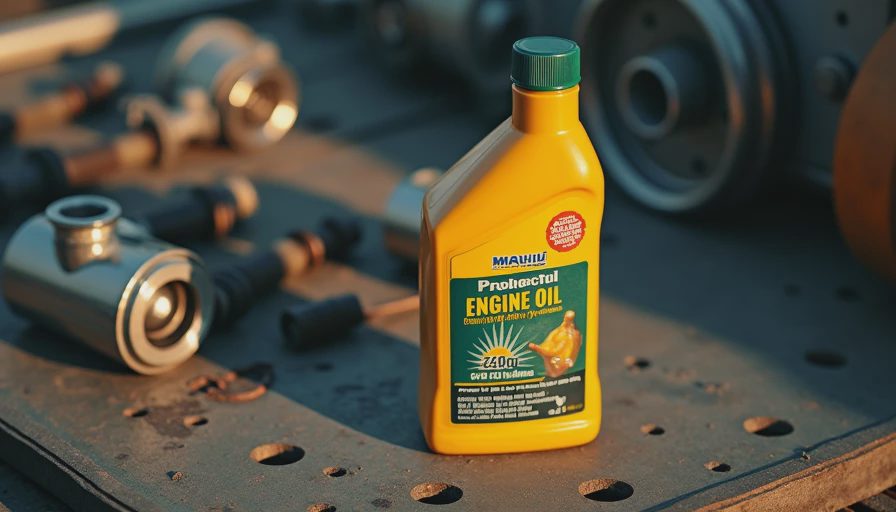
A practical checklist for choosing the right oil
If the owner's manual calls for a modern API SP or ILSAC GF-6 oil, start there and treat that recommendation as the baseline. If the engine has a flat-tappet cam, a known break-in requirement, or a history of cam wear, then the anti-wear package becomes part of the decision. In that case, match the oil to the engine's actual load and follow the cam or rebuild supplier's guidance on break-in chemistry. Viscosity still matters first, because a 10W-30 that holds pressure and flows well can do more for the engine than a random higher-zinc oil in the wrong grade. I also like used-oil analysis for anyone running an older engine hard, because wear metals, viscosity retention, and fuel dilution tell you whether the plan is working.
A short field example from the shop floor
I see this split all the time. One car is a late-model commuter with a roller cam, tight emissions controls, and a factory oil spec that already assumes modern metallurgy. In that case, extra ZDDP is usually unnecessary and can pull the formulation away from what the engine was designed to use. The other is a freshly rebuilt older V8 with a flat-tappet cam and modest spring pressure during the first start-up hours. There, the anti-wear package is a real part of the build, and break-in oil or a suitably formulated high-zinc oil can be the difference between a smooth mating process and a damaged lobe. That is the zddp oil additive purpose in one sentence: protect the right engine, at the right moment, without turning a balanced lubricant into a chemistry science project.





No letters yet — pray write the first.