You've probably heard that any brake squeal means the pads are worn out. Here's what the data actually shows: noise is a clue, not a diagnosis. Defective brake pads can squeak, grind, pull the vehicle, or feel perfectly normal until the friction material separates from its backing plate. Because braking converts motion into heat, a small manufacturing or installation problem can become a serious stopping problem quickly.
I work with lubricant chemistry, not brake manufacturing, but the engineering principle is familiar. A component has to keep its properties across temperature, pressure, and repeated cycles. Brake pads live through severe thermal swings, from a cold morning driveway to several hundred degrees during a mountain descent. That is why a visual inspection, service record, and road-symptom check matter more than a confident guess based on sound alone.
What makes a brake pad defective?
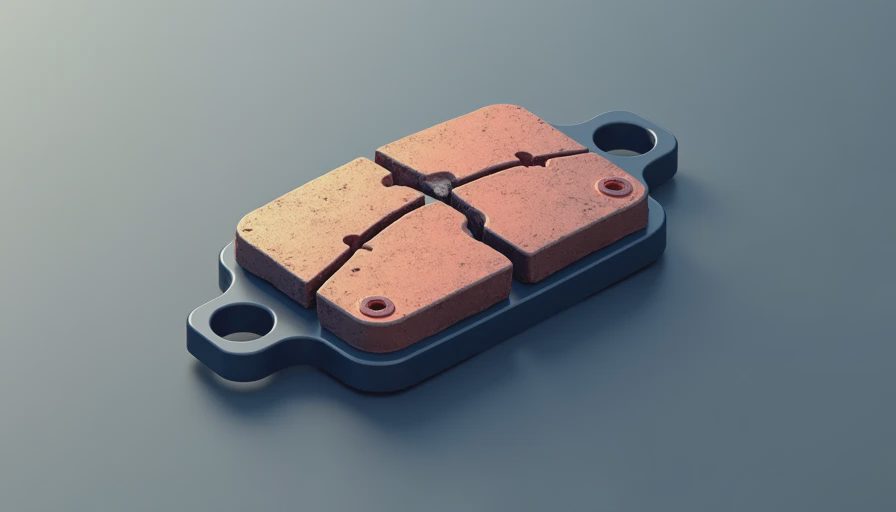
A brake pad is more than a block of friction material. It typically includes a steel backing plate, bonding layers, shims or noise-control hardware, and a formulated friction compound containing fibers, fillers, abrasives, and binders. Defects can occur when the compound is inconsistent, the backing plate is distorted, the bond is weak, or the pad is contaminated by grease, oil, or brake fluid.
The most dangerous condition is separation between the friction material and backing plate. A pad can look acceptable through the wheel opening yet have a cracked edge or loose section. Uneven thickness is another warning. If one pad on an axle is dramatically thinner than its partner, a seized caliper slide, sticking piston, or installation issue could be preventing normal release. Defective brake pads are often found alongside a mechanical problem that caused abnormal wear.
Science Corner: brake friction does not depend on one magic ingredient. The compound must produce stable friction without excessive rotor wear, noise, or heat fade. A pad that performs well at 70 degrees Fahrenheit is not automatically suitable after repeated high-temperature stops. Read the application and certification information, not just the word premium on a package.
Warning signs you should not ignore
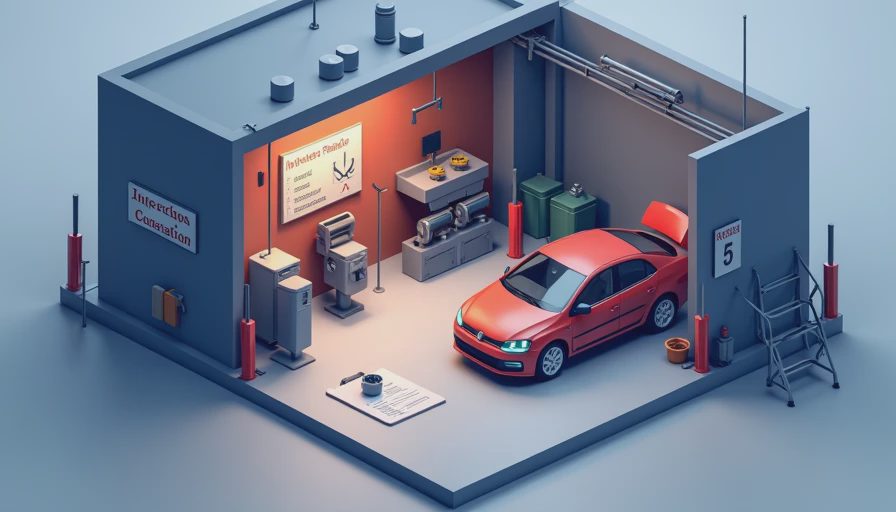
Grinding is more urgent than ordinary squealing. It often means the friction material is nearly gone and the metal backing plate is contacting the rotor. Continuing to drive can turn a pad replacement into a larger repair involving rotors, caliper components, and possibly a wheel bearing exposed to excessive heat. A burning odor, smoke near a wheel, or a vehicle that pulls during braking also deserves immediate attention.
Other symptoms are less obvious. A pulsing brake pedal can indicate rotor thickness variation, but it may also follow uneven pad deposits caused by improper bedding. A pad that has cracked, chipped, or developed a glossy, glass-like surface can deliver inconsistent friction. Defective brake pads may create a hard pedal if the issue involves installation interference, although a soft or sinking pedal more commonly points toward hydraulic problems, air, a leak, or a master-cylinder fault.
Do not ignore dashboard warnings, but remember that the brake-pad wear sensor is not a complete inspection. Many vehicles monitor only one pad on one side. The sensor may alert you after the other pad has already worn unevenly, and older vehicles may have no electronic warning at all. Sound, pedal feel, stopping distance, and a physical check must be considered together.
How to inspect brake pads safely
Park on a level surface, let the brakes cool, and use the parking brake before examining the wheel area. Looking through the spokes can provide a first estimate, but removing the wheel gives a much better view. Measure friction material at multiple points rather than judging one exposed edge. Around 3 millimeters is commonly treated as a replacement threshold by technicians, while a very thin pad requires prompt service; exact guidance depends on the vehicle and service manual.
Look for tapered wear, missing chunks, deep cracks, loose shims, rust jacking, and separation from the backing plate. Check both sides of the axle. If the inside pad is much thinner than the outside pad, suspect caliper movement or hardware rather than simply installing new pads and hoping for an improvement. Defective brake pads should be replaced as an axle set, meaning both pads on the same front or rear axle, with the rotor condition evaluated at the same time.
Never work under a vehicle supported only by a jack. Use properly rated jack stands, keep brake dust from becoming airborne, and do not use compressed air to clean the assembly. Brake dust can contain irritating particles, and older components may contain materials that should not be inhaled. If you cannot identify the pad construction or safely support the vehicle, a brake shop inspection is inexpensive compared with a preventable collision.
Choosing replacement parts without falling for marketing
I will not tell you which brand to buy. The useful questions are whether the pad matches the vehicle application, carries appropriate testing or compliance information, includes the required hardware, and fits the intended driving conditions. A commuter sedan, a loaded pickup, and a track-driven sports car do not place the same demands on a friction compound. Application data matters more than a dramatic package claim.
Compare the pad's friction behavior, temperature range, noise characteristics, dust expectations, and warranty terms. Ceramic, semi-metallic, and low-metallic formulations each involve tradeoffs in noise, cold performance, rotor wear, dust, and heat handling. No material category automatically prevents defective brake pads. A reputable part can still be damaged by poor storage, a dropped box, incorrect fitment, or contaminated installation.
The hardware deserves attention. Bent clips, rusty abutment surfaces, and seized guide pins can make new pads drag or wear unevenly. Rotors below minimum thickness should not be reused, and a heavily scored or heat-damaged rotor can undermine the result of a pad replacement. The repair is a system, not a shopping-cart decision.
What replacement typically costs
For many mainstream vehicles, pad replacement alone may run roughly $150 to $350 per axle at an independent shop, while jobs involving new rotors often land around $300 to $700 per axle. Luxury vehicles, large trucks, electronic parking brakes, and seized hardware can push the bill higher. DIY parts might cost $40 to $150 per axle, but that price excludes tools, time, and the consequences of an installation mistake.
Ask for the measured pad thickness, rotor thickness, and an explanation of any uneven wear. A useful estimate separates parts, labor, shop supplies, and any caliper or hardware work. If a shop presents defective brake pads as the only cause of a pull, vibration, or burning wheel, ask what inspection supports that conclusion. A brake problem can involve hydraulics, wheel bearings, alignment, tires, or suspension components.
After installation, bedding should follow the vehicle or pad maker's instructions. Usually this involves several controlled moderate stops with cooling time between them, not repeated emergency braking from highway speed. Proper bedding transfers a controlled layer of friction material to the rotor. If severe noise, pulling, smoke, or a sinking pedal remains, stop driving and have the system rechecked.
A practical decision before your next drive
Treat grinding, smoke, brake-fluid leaks, major pulling, or a pedal that reaches the floor as reasons to arrange a tow rather than test the vehicle on the road. If the only symptom is a light intermittent squeal, schedule an inspection soon and avoid assuming the vehicle is safe because it still stops. Defective brake pads are a repair concern, but the larger lesson is to diagnose the entire brake system.
If you remember one number from this post, make it this one: measure, do not guess. Record pad thickness on both sides, compare rotor condition, verify hardware movement, and use the service manual for torque and bedding instructions. My oil-formulation rule applies here too: read the specification, not the bottle. Choose parts by documented fit, operating demands, and inspection evidence, then get the vehicle back on the road only when the braking system behaves consistently.




No letters yet — pray write the first.