You've probably heard that rough idle fix injector cleaner is the easy answer to a shaking engine. Here's what the data actually shows: sometimes a deposit cleaner helps, but only when the root problem is fuel injector fouling or a related spray-pattern issue. If the real culprit is a vacuum leak, weak ignition, dirty throttle body, or low fuel pressure, the bottle will not save you. A rough idle is a symptom, not a diagnosis, and the fastest way to waste money is to treat every stumble like a dirty injector. If the check-engine light is flashing, stop treating it like a chemistry experiment and deal with the misfire first.
When rough idle fix injector cleaner makes sense
A good injector cleaner can help when deposits are enough to upset fuel atomization at idle. That matters because idle is the least forgiving operating point in the engine. The injector pulse is short, airflow is low, and a slightly poor spray pattern can show up as a shake, an uneven exhaust note, or a drop in smoothness at stoplights. Most of the stronger products rely on PEA, or polyetheramine, because that detergent chemistry is good at carrying deposits through the combustion process and removing them over time. If the car runs mostly fine, has no hard misfire, and the symptom came on gradually, a cleaner is a reasonable first test. A bottle typically costs about $8 to $25, which is a lot cheaper than throwing parts at the car.
Science Corner: deposits do not need to fully block an injector to cause trouble. Even partial buildup can distort the spray cone, change droplet size, and make the mixture less consistent at low load. That is why some engines smooth out after one tank and others do not change at all.
Why rough idle is often not an injector problem
The hard truth is that many rough-idle complaints have nothing to do with injector deposits. A vacuum leak can lean out the mixture at idle while looking almost normal at cruise. A brittle PCV hose, a cracked intake boot, or a leaking gasket can all create the same shake people blame on fuel. Ignition is another common miss: worn spark plugs, weak coils, or a coil that is starting to break down can cause a rough idle long before the driver feels a major power loss. Dirty throttle plates and mass airflow sensor issues can also skew the idle strategy on modern engines.
Fuel pressure matters too. If the pump is weak or the filter is restricted, the injectors cannot do their job even if they are perfectly clean. A cleaner cannot fix a mechanical air leak, restore spark energy, or raise rail pressure. It can only help the fuel side when deposits are the actual problem.
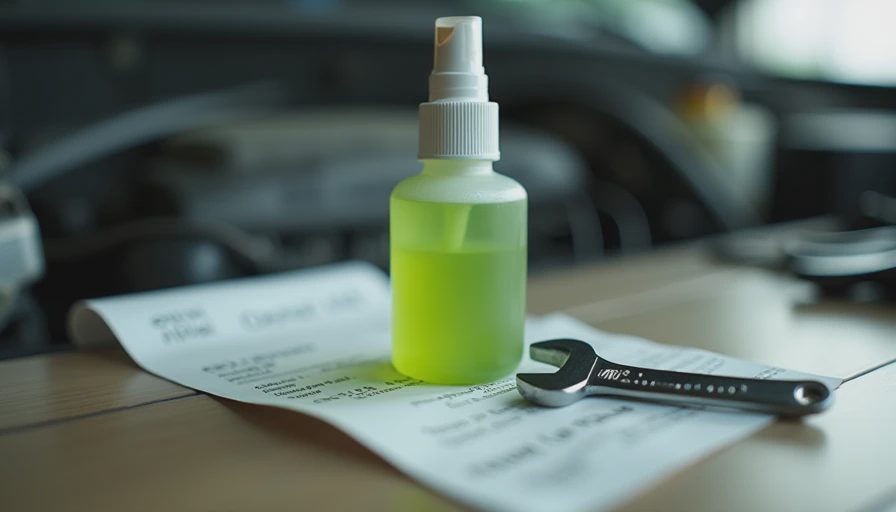
How to use injector cleaner without wasting a tank
Treat the bottle like a test, not a ritual. Read the label and use the full dose with the fuel volume it specifies. In most cases, that means adding it to a mostly empty tank and then filling with the right amount of fuel so the concentration ends up where the formula expects it. You are not trying to shock the engine with a giant dose. You are trying to give the detergent enough time and enough mileage to work.
Then drive the car normally. A steady mix of city and highway miles is better than just idling in the driveway, because the cleaner needs fuel flow and combustion cycles to do anything useful. If the roughness is deposit-related, you may feel an improvement after 50 to 150 miles, sometimes a little sooner, sometimes not until the tank is nearly empty. If nothing changes after one tank, that is useful data. It tells you to move from cleaning to diagnosis instead of pouring in another bottle and hoping.
What Science Corner tells us about idle quality
Idle is where small problems get magnified. The engine is making very little torque, so a tiny imbalance between cylinders is easy to feel. That is why a vehicle can seem fine on the road and still shake at a stop sign. At cruise, the same engine has more airflow, a larger margin for error, and a wider operating window for the control system to correct mixture and spark timing.
This is also why fuel trims matter. If short-term and long-term trims are positive only at idle, the engine may be pulling in unmetered air. If the trims are bad everywhere, the problem could be fuel pressure, sensor input, or a more general combustion issue. A cleaner can help if the injector is the weak link, but it will not hide what the data already shows. Read the spec, not the bottle, and do not confuse a marketing claim with a diagnosis.
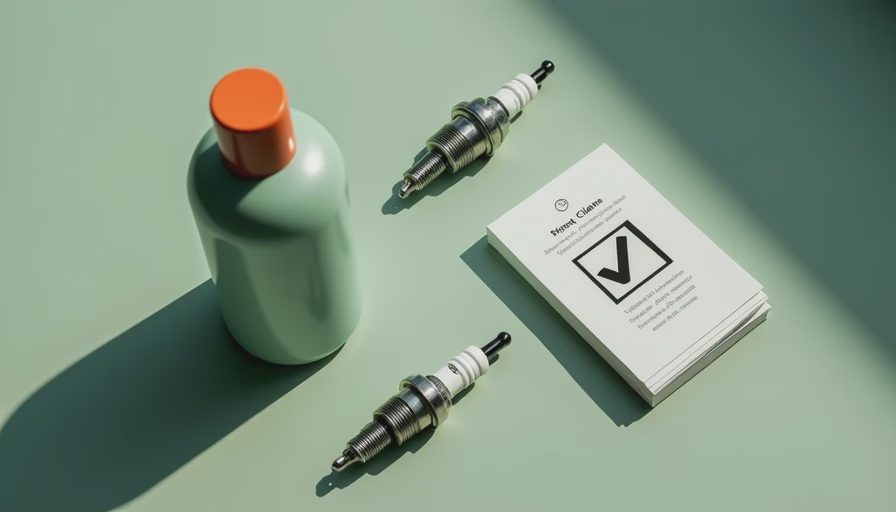
What a real diagnostic path looks like
If the cleaner does not change the idle, the next step is not guessing harder. Scan for misfire codes, fuel trim data, and any stored history codes. Inspect the plugs for wear, look at coil condition, and check the intake plumbing for cracks or loose clamps. A smoke test can find vacuum leaks that your eyes will miss. On a lot of cars, a shop diagnostic fee runs around $100 to $200, which is cheap compared with replacing random parts.
If the injectors are truly dirty, a shop may recommend an on-car cleaning service or an off-car ultrasonic cleaning and flow test. That can run roughly $120 to $250 depending on the setup and the number of injectors. If one injector is electrically weak or mechanically damaged, cleaning will not resurrect it. If fuel pressure is off, the fix may be a pump, regulator, or filter issue instead. That is why a real diagnosis pays off faster than a parts lottery.
Bottom line for drivers who want the cheaper test first
If the symptom started gradually, the engine still starts and drives, and you do not have a flashing warning light, a cleaner is a fair first move. If the idle improves, you bought yourself time and maybe avoided a needless repair. If the idle stays rough, you still got something valuable: a cleaner result that points you toward air leaks, ignition, or fuel pressure instead of deposits.
That is the right way to think about rough idle fix injector cleaner. Use it as a low-cost filter, not a miracle cure. One bottle can be a smart experiment; two or three bottles in a row is usually a sign you are avoiding diagnosis. If you remember one number from this post, make it this one: spend $10 on the cleaner before you spend $300 on the wrong part, but stop once the data says the problem is somewhere else.




No letters yet — pray write the first.