You've probably heard that a coolant flush is the cure for every overheating story in the driveway. Here's what the data actually shows: a coolant flush is useful when the fluid has lost corrosion protection, picked up contamination, or aged out of its service interval. It is not a magic reset button for a bad thermostat, a slipping water pump, a clogged radiator, or a head gasket problem. The trick is knowing what the cooling system is telling you, then matching the service to the chemistry instead of the sales pitch.
What a coolant flush actually changes
A cooling system is more than antifreeze and a radiator cap. You have aluminum passages, rubber hoses, cast-iron or aluminum engine parts, a water pump, a thermostat, and a mix of metals that are happiest when the coolant keeps oxygen, acids, and scale under control. A coolant flush replaces old fluid that has been depleted of corrosion inhibitors and may have picked up rust, scale, or oil residue from a previous failure. If the fluid has gone brown, sludgy, or cloudy, the system is already asking for attention.
Science Corner: coolant is not just there to lower freezing point. The additive package controls corrosion, cavitation, pH, and deposit formation. Ethylene glycol or propylene glycol handles freeze and boil protection, but the inhibitor package does the real long-term work. That is why two fluids with the same color can behave very differently. Read the spec, not the bottle.
The chemistry matters because different formulations use different inhibitor families. Older green formulas often relied on inorganic additives, while newer OAT and HOAT types use organic acids, with some hybrid systems blending in silicates or phosphates. I am not telling you which label to chase. I am telling you to match what the OEM called for. If you mix random chemistries, you can shorten inhibitor life or create sludge that settles in small passages. That is the expensive part people miss.
When a coolant flush earns its keep
A coolant flush earns its keep when the interval is due and the fluid test says the additive package is tired. For many vehicles, that can be anywhere from 5 years or 100,000 miles to 10 years or 150,000 miles, depending on the original fill and the automaker's spec. Fleets and hard-working trucks often land earlier because heat cycles, idling, and top-offs accelerate contamination. If you tow, run mountain grades, or spend summers with the A/C and a loaded cabin, the system works harder than the brochure suggests.
It also makes sense after contamination. If a hose burst and the system ran low, if a repair introduced tap water, or if the coolant mixed with oil from a failed cooler or head gasket, a coolant flush is part of the cleanup. In those cases, leaving the old fluid in place is like changing your motor oil but leaving grinding paste in the pan. The job is not done until the contamination is gone and the system is refilled with the correct mix.
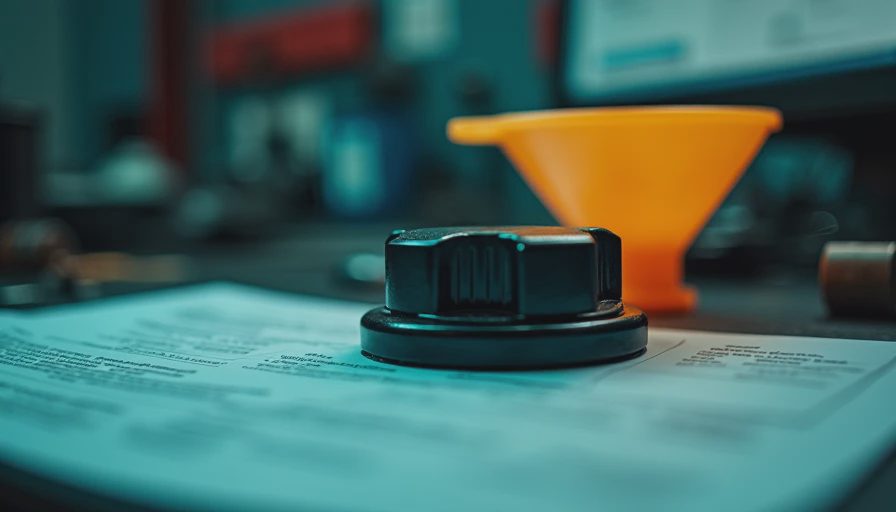
A good tell is simple: if the coolant looks clean, the level stays stable, the engine runs at normal temperature, and a refractometer or test strip shows the freeze protection and inhibitor reserve are still healthy, you may not need a flush at all. That is the part a lot of shops skip because it is easier to sell a service than to diagnose a system. A pressure test, a cap check, and a quick look for residue around the radiator neck or overflow bottle often tell you more than a generic service reminder sticker.
How much a coolant flush should cost
The price swings because labor and access matter. On many passenger cars, a professional service commonly lands around $120 to $250. On trucks, European cars with buried bleed screws, or vehicles that need vacuum filling, the bill can run higher. DIY is cheaper: coolant concentrate, distilled water, and maybe a funnel or spill-free fill kit can keep the parts cost in the $25 to $80 range if the system capacity is modest. If you need a vacuum fill tool, add roughly $80 to $150 for a decent one, which pays off if you maintain more than one vehicle.
The real cost mistake is not the fluid. It is the refill water. Tap water can bring minerals that form scale on hot surfaces, especially in aluminum radiators and heater cores. Distilled water is cheap insurance. The correct ratio is usually 50/50, though some concentrated coolants and some OEM premixes are designed differently. Follow the label and the service manual, not a universal shortcut from the internet. If your climate is mild, you still need corrosion protection and boil reserve, not just freeze protection.
A proper coolant flush also means bleeding air out of the system. Air pockets reduce heat transfer and can create hot spots around the cylinder head. Some vehicles purge easily through a bleed screw; others need a vacuum fill or a careful warm-up cycle with the heater on full hot. If the procedure is sloppy, the engine can come back with a low level, a false overheat, or a heater that never gets fully warm. That is why the process matters as much as the fluid.
Read the coolant, not the bottle
If you remember one number from this post, make it this one: follow the OEM interval first, then use fluid condition as the reality check. A coolant flush is not a substitute for fixing leaks, a stuck thermostat, or a weak water pump. It is a maintenance step that preserves the chemistry inside the system when the chemistry has run its course. That is also why no honest technician should promise miracle mileage or colder engine temps from the service alone.
Science Corner: corrosion control inside a cooling system is a balance, not a single additive. The fluid must protect aluminum, iron, solder, seals, and solderless joints while still transferring heat efficiently. When inhibitors deplete, pH drifts and metals start to shed ions into the fluid. That is when you see rust tint, scale, and sometimes white deposits around passages and hose clamps. A lab report or test strip can catch that decline before the temperature gauge does.
For most drivers, the smart move is to use the service manual, inspect the fluid, and decide based on evidence. If the system is clean and in interval, leave it alone. If the coolant is tired or contaminated, schedule the service and refill with the correct chemistry. That is how you get the benefit of a coolant flush without paying for an unnecessary one, and it is the same rule I use when I evaluate any cooling-system problem in the shop.
Quick checks before you book the service
A coolant flush starts to make sense when the overflow bottle has sludge, the old fluid looks dull instead of bright, or the service history is missing and the car is far past its original interval. It also moves up the list if the heater output is weak, the engine has had a minor overheat, or you can see crusty residue around hose connections and the radiator tank seams. Those are clues, not proof, but they are good enough to justify a closer look.
If you are paying a shop, ask what coolant spec they plan to refill with and whether they will use distilled water or a premix that matches the OEM requirement. If you are doing it yourself, keep the old fluid away from pets and dispose of it properly. Coolant tastes sweet and is dangerous. That part is not chemistry trivia; it is a real safety issue.
The bottom line is simple. A coolant flush is valuable when the coolant has aged out, been contaminated, or lost its inhibitor reserve. It is wasted money when the cooling system already tests healthy. The difference is not guesswork. It is chemistry, service records, and a clear look at the fluid.



No letters yet — pray write the first.