You've probably heard that every vehicle needs radiator flushes on a fixed schedule, perhaps every 30,000 miles. Here's what the data actually shows: coolant service depends on the fluid chemistry, the vehicle's maintenance specification, and what is happening inside the cooling system. A clean-looking expansion tank does not prove the coolant is healthy, and dark fluid does not automatically mean the engine is doomed.
I approach radiator flushes the same way I approach motor oil: identify the specification first, then choose the procedure. Coolant is not merely colored water. It is a heat-transfer fluid containing water, glycol, corrosion inhibitors, buffers, antifoam agents, and sometimes additives designed for specific metals and gasket materials. Mixing incompatible formulas can reduce protection even when the color looks right.
What a radiator flush actually does
A proper service removes old coolant and replaces contaminated or depleted fluid. Depending on the shop and vehicle, that can mean draining the radiator and reservoir, opening the engine drain points, or circulating a compatible flush solution before refilling. A simple drain-and-fill may replace only part of the system because coolant remains trapped in the engine block, heater core, and hoses. Radiator flushes are more thorough when the procedure accounts for that trapped volume.
The word “flush” is used loosely. Some technicians use distilled water to rinse the system; others use a formulated cleaner when there is rust, oil contamination, scale, or evidence of neglected maintenance. High-pressure water is not automatically better. Excessive pressure can stress aging seals, heater-core passages, and radiator tubes. The goal is controlled removal of contamination, not force for its own sake.
Science Corner: ethylene glycol and propylene glycol help prevent freezing and raise the boiling point, but the inhibitor package protects metal surfaces. Aluminum heads, cast iron blocks, copper components, solder, and modern plastic tanks all create different corrosion challenges. Once inhibitors are consumed or diluted, coolant can become chemically aggressive even if its freeze protection still tests correctly.
When radiator flushes make sense
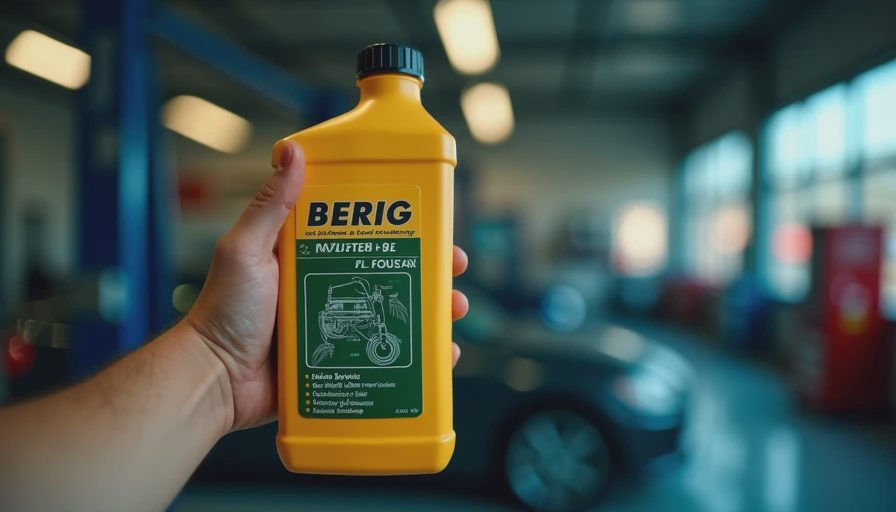
Follow the owner’s manual before following a generic mileage sticker. Many newer vehicles use extended-life coolant with a service interval that can exceed 100,000 miles under normal conditions. Older vehicles, severe-service applications, and systems filled with conventional coolant often require earlier attention. Heat, towing, long idle periods, dusty roads, and repeated short trips can increase stress on the cooling system.
A flush deserves investigation when the coolant is rusty, oily, sludgy, or visibly contaminated. A sweet smell, repeated low coolant level, overheating gauge, poor cabin heat, or crust around a hose connection points to a fault that a flush alone will not repair. A leaking water pump, damaged radiator, stuck thermostat, failed pressure cap, or combustion-gas leak must be diagnosed separately. Replacing coolant without fixing the leak is like changing engine oil while ignoring a cracked oil pan.
A cooling system can also look clean but contain the wrong chemistry. For example, adding a universal green coolant to a system designed for a different inhibitor technology may shorten service life. Color is a dye, not a specification. Read the vehicle manual and the coolant product sheet rather than relying on color, marketing language, or a parts-counter guess.
The chemistry behind clean coolant
Coolant inhibitors gradually react with oxygen, metal surfaces, heat, and contamination. Organic acid technology, hybrid organic acid technology, and older inorganic inhibitor systems do not all protect in the same way. Some rely on fast-acting silicates or phosphates; others use organic acids that target corrosion sites over longer intervals. That is why “all makes and models” is not a complete technical answer.
If you are comparing products, look for the required industry or manufacturer specification, concentration guidance, and compatibility statement. A 50/50 mixture of concentrate and distilled water is common, but the correct freeze protection depends on climate and the vehicle’s instructions. Too little glycol can allow freezing and corrosion; too much can reduce heat-transfer efficiency. Water alone transfers heat effectively but lacks the inhibitor and freeze protection the system needs.
Radiator flushes should also be followed by careful air removal. Trapped air can create hot spots, reduce heater output, and cause the temperature gauge to behave strangely. Some engines require a dedicated bleed screw, a vacuum filling tool, or a specific warm-up procedure. Consult the service instructions instead of assuming that filling the reservoir completes the job.
A practical garage procedure
Work only on a completely cool engine. Hot coolant can cause severe burns, and the system may remain pressurized after shutdown. Place a large drain pan beneath the radiator, protect painted surfaces, and collect the old fluid for proper recycling. Ethylene glycol is toxic to people and animals, so never leave an open drain pan unattended and never pour coolant onto the ground.
Confirm the coolant type and system capacity before opening a drain. Inspect hoses, the pressure cap, radiator fins, thermostat housing, and water-pump area. If the old fluid contains thick oil, heavy rust, or particles, pause for diagnosis rather than immediately adding fresh coolant. Drain the system, use only a compatible rinse or cleaner, refill with the correct mixture, and run the engine according to the manufacturer’s bleeding instructions.
After the first heat cycle, allow the engine to cool fully and recheck the level. Look for leaks at hose joints and confirm that the heater produces steady warm air. Recheck again after several drives because small air pockets can move into the reservoir. Record the date, mileage, coolant specification, and product concentration. That simple note prevents unnecessary radiator flushes and gives the next technician useful information.
How to decide whether you need service now
Start with the maintenance schedule, then inspect the fluid and investigate symptoms. If the coolant is within its specified interval, clean, at the correct level, and the engine maintains normal temperature, an aggressive flush may provide little benefit. A drain-and-fill at the proper interval can be the more sensible service.
If the vehicle has an unknown history, mixed coolant, visible deposits, or repeated overheating, a cooling-system inspection is more valuable than a bargain coupon. A pressure test can reveal external leaks, while a combustion-gas test can help identify a head-gasket problem. Neither test replaces a full diagnosis, but both can prevent spending $100 to $250 on coolant service when the underlying repair is much larger.
The best radiator flushes are specification-driven, gentle on old components, and followed by correct bleeding. They are not magic treatments for failed thermostats or leaking pumps. Read the spec, not the bottle; understand the chemistry, and choose the least aggressive service that restores protection. If you are unsure about capacity, compatibility, or trapped air, paying a qualified shop for the procedure is cheaper than repairing an overheated engine.


No letters yet — pray write the first.