You've probably heard that the number molded into a tire sidewall is the correct inflation setting. Here's what the data actually shows: that number is usually the tire's maximum permitted pressure, not the setting your vehicle needs. Correct car tyre pressure comes from the vehicle manufacturer and is normally listed on the driver's doorjamb label, fuel-door panel, or owner's manual.
That recommended figure is engineered for the vehicle's weight, suspension, steering calibration, and original tire size. It is often somewhere between 30 and 36 PSI for ordinary passenger cars, but the number on your car is the one that matters. A few minutes with a reliable gauge can improve handling, reduce irregular wear, and help the tire run within its intended temperature range.
Where to Find the Correct Pressure
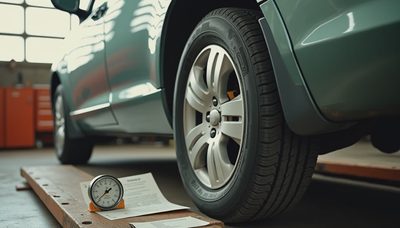
Start with the placard attached to the driver's door or door frame. Many vehicles list different pressures for the front and rear axles, and some include a higher setting for a heavily loaded vehicle. A compact sedan might specify 32 PSI front and rear, while a crossover could call for 35 PSI in front and 33 PSI at the rear. Those differences are not cosmetic; they reflect axle loading and suspension geometry.
Do not use the pressure printed on the sidewall as your target. That marking can show a maximum cold inflation pressure, sometimes 44, 50, or 51 PSI. Filling to that value can make the ride harsh and reduce the tire's normal contact behavior. It also does not account for the car's alignment or load distribution.
The spare tire deserves attention too. A temporary compact spare often requires substantially more pressure than the road tires, sometimes close to 60 PSI. Confirm the value printed on its label and check it at the same time as the other tires. A spare that has sat for years is not automatically ready for an emergency.
How Temperature Changes the Reading
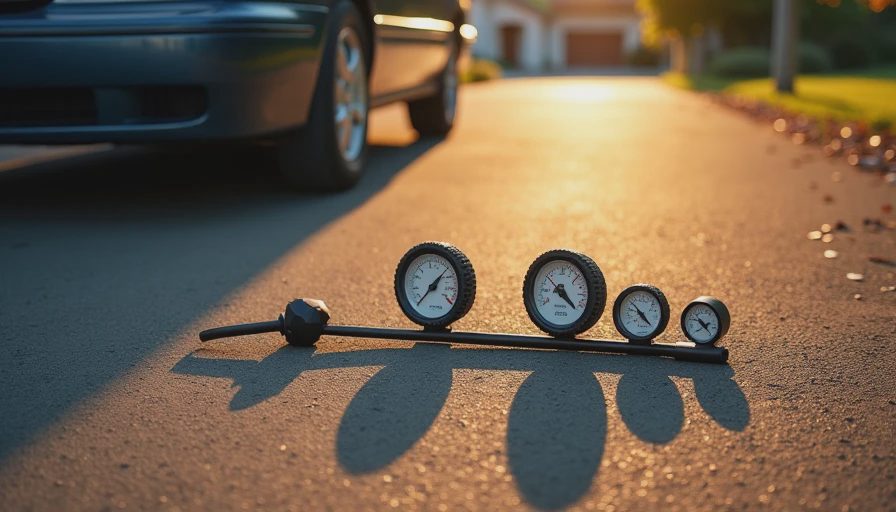
Check car tyre pressure when the tires are cold. In practical terms, that means before driving more than a mile or after the vehicle has been parked for at least three hours. Driving creates flexing heat, and that heat raises the gauge reading. A warm tire can show several PSI more than the same tire at ambient temperature.
Never bleed air from a hot tire simply to reach the doorjamb number. The reading will fall as the tire cools, leaving it underinflated. If you must check after driving, record the result and recheck the next morning before making a correction.
Seasonal temperature changes also matter. Air pressure generally falls as temperatures drop and rises as they climb. A cold snap can turn a previously acceptable reading into an underinflated one without any puncture. That is why a monthly check, plus a check before a long trip, is more useful than waiting for a dashboard warning.
Science Corner: The air inside the tire is a gas, and its pressure responds to temperature. The tire does not lose air merely because winter arrived; the colder gas occupies the same enclosed space with lower pressure. Tire pressure monitoring systems can warn you about a substantial loss, but they are not a substitute for a handheld gauge.
A Better Checking Procedure
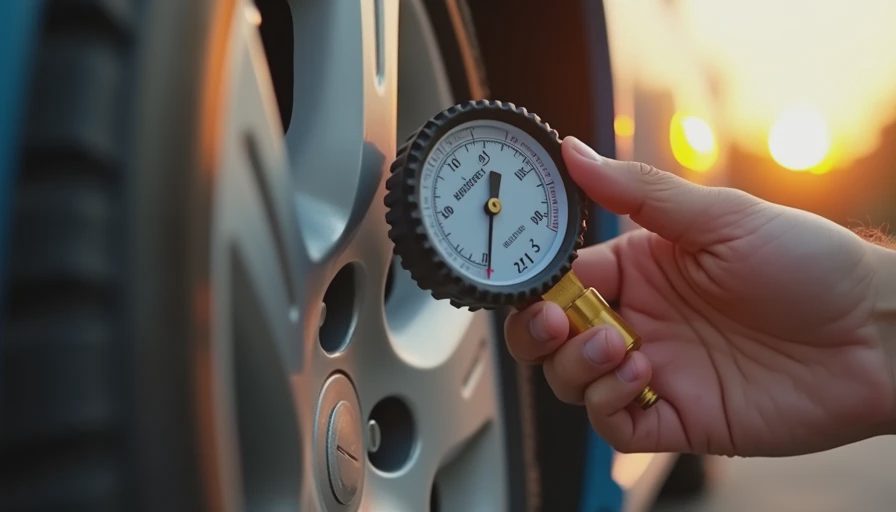
Use a quality digital or pencil gauge and check all four tires in the same session. Remove the valve-cap, press the gauge squarely onto the valve stem, and read the result. A brief hiss during a proper measurement is normal; a long hiss usually means the gauge is not seated correctly.
Compare each reading with the placard. If a tire is low, add air in short bursts and measure again. If it is high, release a small amount through the gauge's bleed valve or valve-stem pin, then recheck. Replace the valve cap afterward because it helps keep dirt and moisture away from the valve core.
Look at the tread and sidewall while you work. A nail, screw, bulge, crack, or repeated pressure loss deserves professional inspection. Do not repair a sidewall puncture with a plug or rely on a portable inflator as a permanent fix. A compressor is useful for adjustment, but it cannot diagnose internal tire damage.
What Underinflation and Overinflation Do
Underinflation lets the sidewalls flex more than intended. That increases heat generation, makes steering feel vague, and can wear the shoulders of the tread faster. Severe underinflation is especially dangerous at highway speed because heat and flexing can damage the tire's internal structure. It can also increase rolling resistance, forcing the engine to use more fuel for the same trip.
Overinflation reduces the tire's compliance over bumps and can make the center of the tread wear faster. The car may feel nervous on rough pavement, while the smaller effective contact patch can reduce grip in some conditions. Adding extra pressure because a tire looks slightly soft is not a sound method; use the gauge and the placard instead.
Car tyre pressure is therefore a balance, not a maximum-performance setting. Track driving, towing, heavy cargo, and winter travel may require special guidance, but those adjustments should come from the vehicle manual, tire manufacturer, or a qualified technician rather than internet folklore.
When the Numbers Do Not Match
A pressure difference between tires can point to a slow leak. If one corner loses 3 to 5 PSI over a week while the others remain stable, inspect the tread, valve stem, and wheel rim. A tire shop can test it with soapy water or submerge the assembly to locate escaping air. Corrosion at the bead seal is another possible cause, especially on older wheels.
Do not assume the dashboard warning light identifies the problem tire. Some systems display individual readings, while others only indicate that one or more tires are below a threshold. After adjusting pressure, the monitoring system may need a reset or several minutes of driving before the warning disappears. Follow the vehicle's reset procedure rather than disconnecting the battery.
If the car pulls to one side after correcting car tyre pressure, the cause could be alignment, tire wear, road crown, or a brake issue. Pressure is the first check because it is quick and inexpensive, but it is not an explanation for every handling complaint.
A Simple Maintenance Schedule
Check car tyre pressure once a month, before road trips, after a major temperature change, and whenever the vehicle has been parked for an extended period. Keep a gauge and a 12-volt inflator in the trunk, but test the inflator against a known gauge before trusting its display. Many service-station gauges are damaged or poorly calibrated, so their readings are useful only as a rough reference.
When replacing tires, confirm that the new size has the correct load rating and speed rating for the vehicle. A different tire size can alter the recommended pressure, and the door placard may not cover every aftermarket combination. The tire's load and inflation tables are technical documents, not marketing material; read them with the help of a tire professional when needed.
If you remember one number from this post, make it this one: the doorjamb placard is the starting point for car tyre pressure. Read it cold, measure all four tires, inspect for damage, and investigate any tire that repeatedly loses air. Read the spec, not the sidewall—and do the check before the warning light becomes your only reminder.

No letters yet — pray write the first.