You've probably heard that a crooked steering wheel automatically means a bent tie rod. Here's what the data actually shows: misalignment, a damaged wheel, worn suspension parts, and a bent tie rod can produce similar symptoms. Knowing what does a bent tie rod look like helps you separate a visual clue from a diagnosis. A tie rod is a steering linkage component that transfers movement from the steering rack or center link to the steering knuckle. If it is bent or badly worn, the vehicle can become unpredictable, especially during braking or a quick lane change.
The visible signs of a bent tie rod
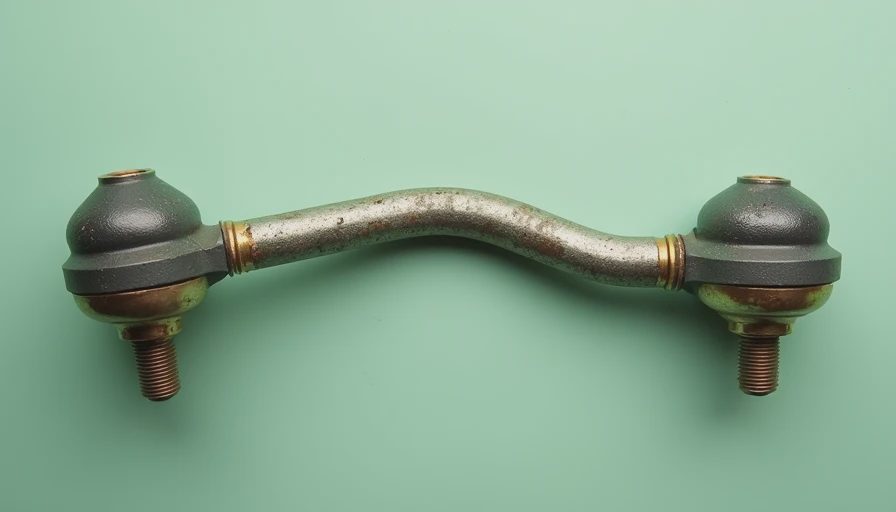
A straight tie rod usually looks like a solid steel shaft running between a steering linkage joint and the steering knuckle. Depending on the vehicle, it can be round, tapered, or threaded at one end. A bent outer tie rod may show a noticeable bow, kink, flattened section, or angle that does not match the corresponding part on the other side. The bend is often easiest to see with the front wheels pointed straight ahead and the vehicle safely supported.
The part does not need to look dramatically folded to be unsafe. A small deflection can change the front wheel's toe angle. Toe describes whether the fronts of the tires point slightly toward each other or away from each other. Even a few millimeters of altered geometry can cause tire scrub, a steering wheel that sits off-center, or a car that wanders on a level road.
Look for fresh impact evidence near the linkage. Scraped paint, shiny metal, a dented rod, or marks from contact with a curb can support the diagnosis. However, do not confuse a damaged rubber dust boot with a bent rod. A torn boot allows water and grit into the joint, while the rod itself may remain straight. A boot problem still deserves attention, but it is a different repair from replacing a visibly deformed tie rod.
How to inspect the steering linkage safely
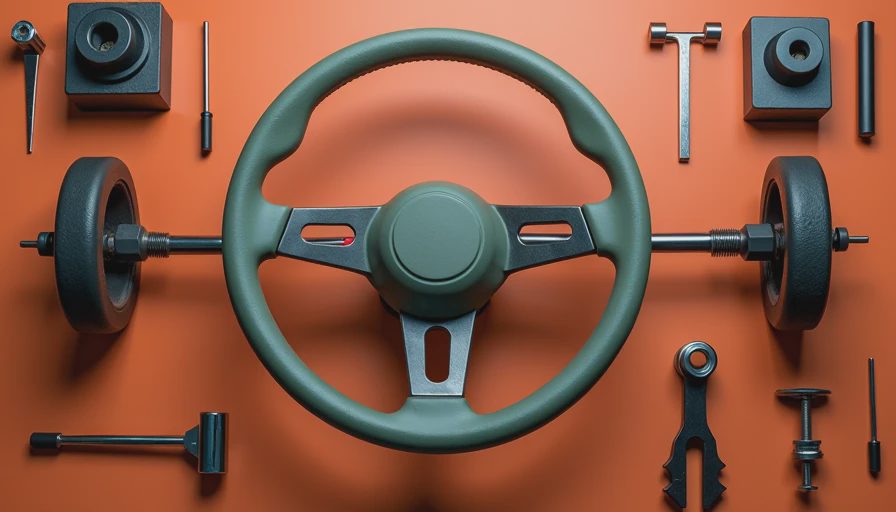
Before inspecting, park on a hard, level surface, set the parking brake, and use wheel chocks. A jack alone is not a safe support system; use properly rated jack stands at the manufacturer's lifting points. If you are asking what does a bent tie rod look like, start by comparing the left and right sides rather than forcing the steering wheel or crawling under an unsupported vehicle.
With the front end safely raised, have an assistant move the steering wheel a small amount left and right while you watch the linkage. The movement should be transferred smoothly through the joints. Excessive delay, visible knocking, or movement at a joint can indicate wear. Next, grasp the tire at the three and nine o'clock positions and gently rock it. Play can come from an inner tie rod, outer tie rod, steering rack, wheel bearing, or another suspension component, so this test is a clue rather than proof.
Use a flashlight to trace the rod from the steering knuckle toward the rack. Compare its shape with the opposite side, but remember that some vehicles use different left and right angles by design. Do not hammer the rod straight. Straightening can weaken the metal, damage the threads, or hide a crack. If the wheel is visibly leaning, the rod is contacting another part, or the steering has sudden looseness, have the vehicle towed instead of driving it to a shop.
Symptoms that point beyond appearance
A bent tie rod often appears after a curb strike, pothole impact, collision, or off-road hit. The steering wheel may no longer sit centered while the vehicle travels straight. You may also notice pulling, wandering, uneven feathering on the front tires, or a clunk when changing direction. In severe cases, the steering can feel loose around center and then suddenly catch as the damaged joint changes position.
Those symptoms are not unique. A bent wheel, damaged control arm, worn ball joint, failing wheel bearing, incorrect tire pressure, or ordinary alignment error can create a similar complaint. This is why knowing what does a bent tie rod look like is useful, but not sufficient by itself. A shop should inspect the complete steering and suspension system and measure alignment angles after replacing any damaged component.
Science Corner: tie rod joints are lubricated and protected by grease inside a sealed or serviceable joint. Grease reduces metal-to-metal contact, but it cannot restore a bent shaft or compensate for looseness caused by wear. A torn boot is an entry point for abrasive dirt and water, and that contamination can accelerate joint wear. This is a mechanical failure issue, not an engine-oil problem, so changing motor oil will not fix steering play.
Bent tie rod versus bad alignment
Alignment changes can sometimes be corrected with an adjustment, while a bent tie rod requires replacement. During an alignment, a technician measures toe, camber, and caster. Toe is commonly adjusted through the tie rod threads, but adjustment range is not unlimited. If one side requires an extreme amount of thread exposure to meet specification, the rod or another suspension part may be bent.
A useful before-and-after comparison is the steering wheel position. If the car was aligned correctly before an impact and immediately develops a crooked wheel or tire scrub afterward, inspect for impact damage before authorizing a simple alignment. If the tires are wearing gradually and there is no impact history, normal alignment drift or worn components may be more likely. The final answer comes from a physical inspection and alignment readings, not from the steering wheel alone.
Repair cost and what the job should include
Replacing an outer tie rod commonly costs roughly $150 to $450 per side at an independent repair shop, including labor and a basic part. Inner tie rod replacement can run about $250 to $700 because access may be tighter and the steering rack connection is more involved. Collision damage can raise the total if the knuckle, control arm, wheel, rack, or subframe is also affected. These are practical planning ranges, not a quote for every vehicle.
After a tie rod is replaced, an alignment is normally required. A shop should verify that the steering wheel is centered, tighten the fasteners to the vehicle's specified torque, and inspect the opposite side. Replacing only the visibly damaged part is common, but a paired replacement can make sense when both joints have similar mileage and wear. Ask for the measured alignment results and a description of the failed component rather than accepting a vague claim that the car needs “front-end work.”
Questions to ask before driving again
If you are still wondering what does a bent tie rod look like, take clear photos from several angles and record when the steering problem began. Tell the technician about the impact, speed, road surface, and whether the vehicle pulls under braking. Ask whether the observed bend is in the tie rod itself or in a nearby part, whether there is measurable joint play, and whether the tire has internal damage from the impact.
Do not drive a vehicle with severe looseness, a visibly deformed linkage, or a wheel that changes direction independently of the steering wheel. A tow bill is usually far cheaper than losing steering control or destroying a set of tires. Read the inspection report, compare the alignment numbers with the manufacturer's range, and repair the actual failed component before chasing an oil additive, tire swap, or cosmetic adjustment. The safest diagnosis is based on shape, movement, impact history, and measured alignment together.




No letters yet — pray write the first.