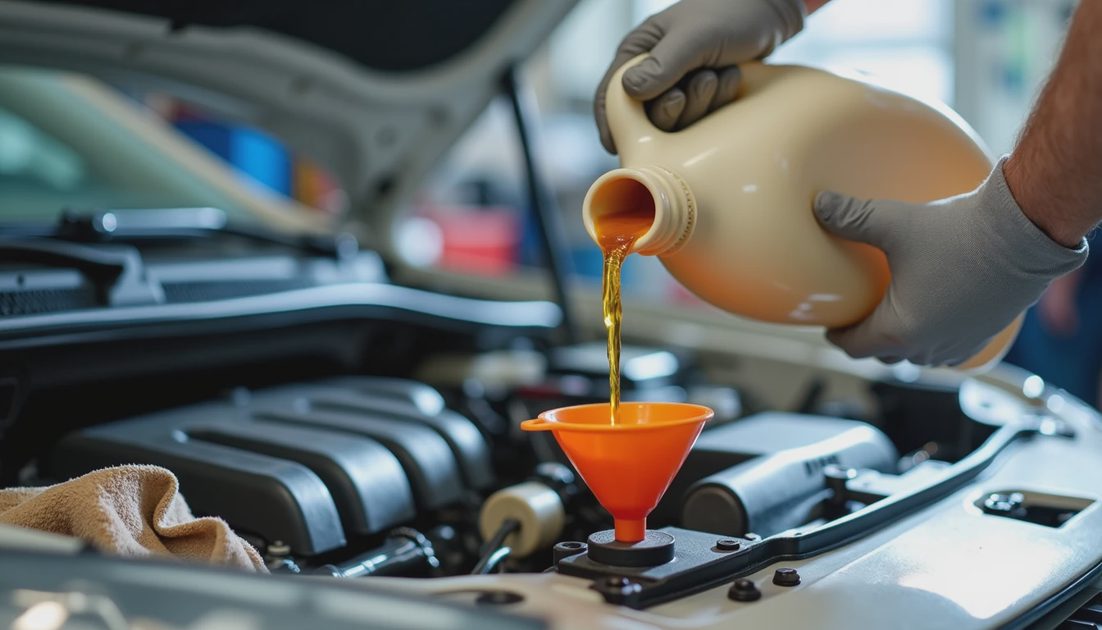
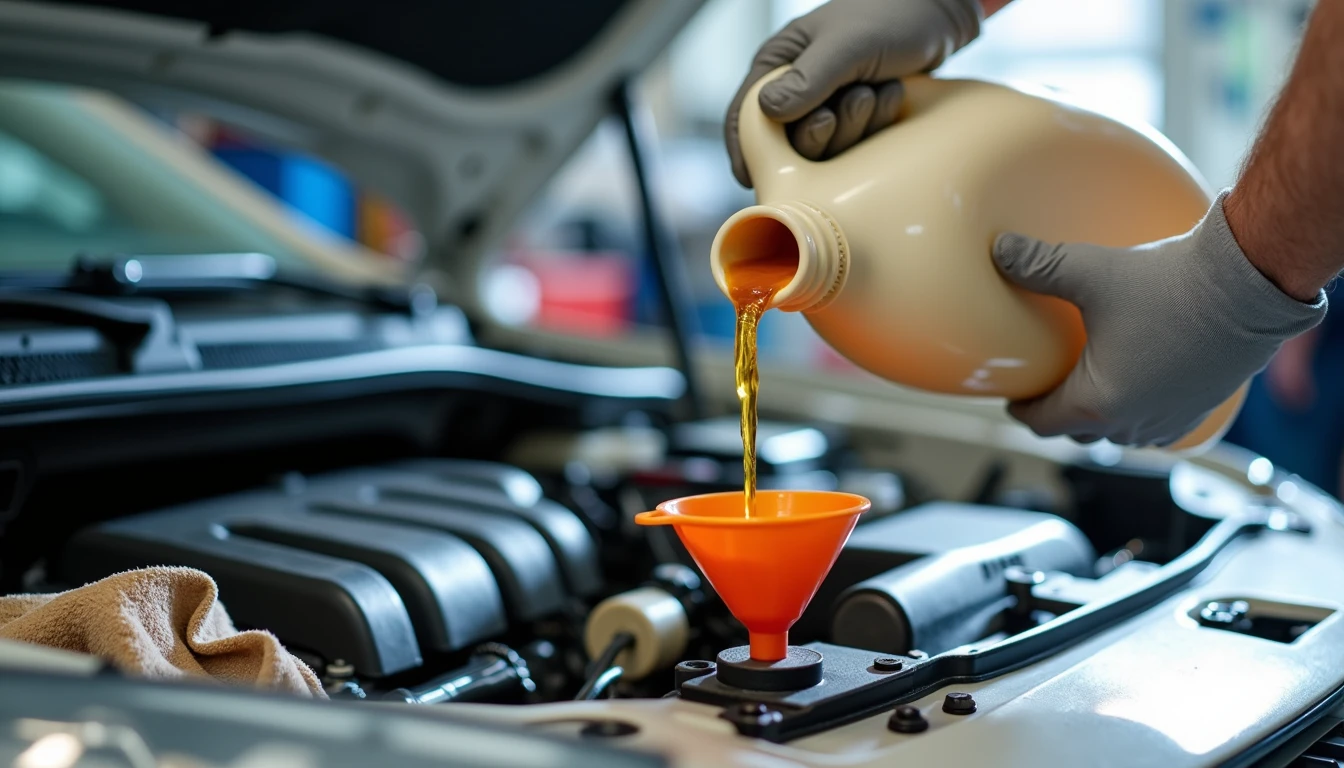
Choose the right full synthetic oil once, and you can avoid years of sludge, wear, and costly engine repairs
Why This Matters (cost/safety/longevity payoff)
You’ve probably heard that “all synthetic oil is basically the same, so buy the cheapest jug.” Here’s what the data actually shows: yes, modern oils have to meet baseline standards, but the *way you choose and use* that oil matters more than the logo on the bottle.
A proper oil change with the correct full synthetic oil can mean the difference between an engine that stays clean and happy for the long haul—and one that slowly builds deposits, wears faster, and turns into an expensive problem. The practical payoff is simple: pick the correct oil for your engine (correct viscosity and correct service category), and you reduce wear, keep oil passages cleaner, and lower your risk of issues that can snowball into major repairs.
This SlashGear piece ranks popular synthetic oil brands on “intangibles” like user reviews and brand recognition, not lab performance. Let me show you what actually matters in the garage: specs, viscosity, and using the correct amount.
What You Need to Know (specs, types, intervals)
1) “Full synthetic” is a *type*, not a one-size-fits-all solution
The source notes that many vehicles today require full synthetic motor oil. That’s common because synthetics handle heat and cold better and resist breakdown longer than older conventional oils.
2) API quality standards are the baseline
SlashGear points out that all oils meet quality standards set by the American Petroleum Institute (API). That’s important: API sets minimum performance requirements. In plain English, API compliance means the oil passed standardized tests for things like wear control, deposit control, and volatility (how much oil boils off).
Action step: On the bottle, look for the API compliance markings required for your vehicle. The source doesn’t list specific API categories, so don’t guess—match what your owner’s manual calls for.
3) Viscosity: 5W-30 is an example, not a universal answer
The article says it linked five-quart jugs of 5W-30 Full Synthetic oil in its brand descriptions, but warns that the correct weight (viscosity) and amount depend on your specific vehicle.
- Viscosity = how thick the oil is at a given temperature.
- 5W-30 = flows like a “5W” oil when cold, protects like a “30” oil at operating temperature.
Action step: Confirm your required viscosity and fill amount in:
- Your owner’s manual, and
- Often on the oil fill cap (the source explicitly notes both locations).
4) Two budget-friendly examples from the source (not endorsements)
No brand recommendations here—just what the source specifically states:
- AmazonBasics: Amazon’s self-branded oil business started in 2018. The source says it’s often priced under $25 for a five-quart bottle and has over 25,000 ratings and 4.8 stars on Amazon. It also mentions independent YouTube videos testing its properties (not definitive, but informative).
- Kirkland (Costco): The source says Kirkland motor oil is made by Warren Oil, and long-term tests cited by enthusiasts show it held up “reasonably well” even after 10,000 miles.
Important: None of that replaces matching the oil to your engine’s required spec and viscosity.
Science Corner: What “synthetic” is doing inside your engine
At the molecular level, synthetic base oils tend to be more uniform than conventional. That uniformity helps with oxidation resistance (slowing the oil’s tendency to thicken and form varnish under heat) and low-temperature flow (getting oil to bearings faster at startup). Additives do the heavy lifting too—detergents keep deposits suspended, anti-wear agents protect under boundary lubrication (when parts briefly touch), and antioxidants slow breakdown.
How It Works (a practical, followable approach)
Step 1: Identify your required viscosity and oil quantity
Use the two places the source calls out:
1) Owner’s manual
2) Oil fill cap
Write down:
- Required viscosity (example shown in the source: 5W-30)
- Required amount (quarts)
Step 2: Verify you’re buying full synthetic (if required)
The source states many modern vehicles require full synthetic. If your manual specifies full synthetic, don’t substitute a different type.
Step 3: Use API compliance as your non-negotiable filter
Since the source confirms oils meet API standards, use that as your minimum bar. Choose an oil that matches the API requirements listed in your manual (again: don’t guess categories the source didn’t provide).
Step 4: Buy the correct package size
The source repeatedly references five-quart jugs. That’s a common DIY format, but your engine may need more or less. Buy enough to reach the specified capacity without improvising.
Pro Tip: Keep the last half-quart off to the side until you’ve verified the level on the dipstick. It’s easier to add than to remove.
Step 5: Fill to the correct level—then recheck
Fill, wait a moment for oil to drain to the pan, then check the dipstick and adjust.
Pro Tip: After your first start, shut the engine off, wait a couple minutes, and recheck the dipstick. Oil filters and galleries fill and can slightly change the reading.
Common Mistakes (myths, pitfalls, warnings)
Mistake 1: “Any 5W-30 will work in any car”
Nope. The source uses 5W-30 Full Synthetic as a linked example, but explicitly warns you to use the weight and amount required for your specific vehicle. Wrong viscosity can mean poor cold-start protection or insufficient film strength at operating temperature.
Mistake 2: Shopping by star ratings instead of requirements
AmazonBasics has “over 25,000 ratings and 4.8 stars” per the source. That’s social proof, not an engineering spec. Reviews don’t tell you whether the oil matches your manual’s requirements.
Mistake 3: Treating YouTube tests as definitive proof
The source mentions independent YouTube videos comparing AmazonBasics oil. Those can be interesting, but they’re not the same as standardized testing under controlled conditions. Use them as a curiosity tool, not your decision-maker.
Mistake 4: Assuming “house brand” means “low quality”
The source notes Kirkland’s oil is made by Warren Oil and that enthusiasts have found it holds up “reasonably well” even after 10,000 miles. House brand doesn’t automatically mean junk; it means you still need to verify the required viscosity and API compliance.
Science Corner: Why “the wrong amount” matters
Too little oil reduces the oil pump’s ability to maintain pressure under load, which can starve bearings. Too much oil can whip into foam (aeration), and foamy oil doesn’t build a stable lubricating film. That’s why the source’s reminder about the correct amount of oil required is more important than most people realize.
Bottom Line (summary, recommended action)
Ignore “worst to best” brand drama and focus on what keeps engines alive: use the full synthetic oil type your vehicle requires, match the viscosity (example shown: 5W-30) and the correct amount from your owner’s manual or oil fill cap, and confirm the oil meets API quality standards. If you do those three things, you’re already making a smarter choice than most of the internet.