A $50–$350 oil change once a year can prevent an engine failure that totals your vehicle
Why This Matters (cost/safety/longevity payoff)
You’ve probably heard that “oil is oil” and you can stretch changes as long as the engine still runs. Here’s what the data actually shows: ignoring oil and filter changes lets the oil degrade until it can turn into petroleum sludge, stop flowing correctly, and lead to engine failure—sometimes bad enough to virtually total the vehicle.
On the flip side, staying on schedule is one of the cheapest ways to buy engine life. In Car and Driver’s long-term fleet, they’ve paid as little as $50 for an oil change at a dealership on mainstream vehicles (examples given: Ford, Toyota, Honda) and as much as $350 at a dealership (example: Porsche), often with an inspection included. That spread sounds wild, but it’s predictable once you understand what drives the cost.
What You Need to Know (specs, types, intervals)
Your owner’s manual is the boss here. It tells you the exact items that control both price and engine protection:
- Oil viscosity (how thick the oil is at a given temperature): This is a required spec, not a suggestion.
- Engine oil capacity (how many quarts the engine takes): More capacity = more oil cost.
- Oil type (conventional or synthetic): The source notes synthetic oil is more expensive than conventional.
- Change interval (how often to change oil): The manual specifies how often based on how and in what conditions you drive.
- Oil filter: You’re not just paying for oil; you’ll also pay for a filter.
- Labor: If you’re paying a shop/dealer, labor is a big part of the bill.
The source gives two real-world oil capacity examples to show why prices vary:
- First-generation Mazda MX-5 Miata: about 3.4 quarts.
- Classic W123-generation Mercedes-Benz 300D 3.0-liter diesel: between 7 and 8 quarts.
More quarts plus synthetic oil adds up fast before labor even enters the chat.
Pro Tip: If you haven’t cracked your owner’s manual in a while (or ever), this is the perfect time. The cost question (“how much is an oil change?”) is really a specs question (“what oil does my engine require?”).
How It Works (what actually happens inside your engine)
Let me show you what actually happens inside your engine when oil is fresh versus neglected.
Fresh oil’s job is to:
- Minimize friction between moving parts.
- Avoid wear-accelerating metal-on-metal contact between internal components.
- Potentially help fuel economy, because reducing friction reduces wasted energy.
When you put off oil changes, two bad things can happen (and they stack):
1. Sludge risk: The source is blunt—oil can “slowly turn into petroleum sludge,” stop flowing through the engine correctly, and cause failure.
2. Loss of lubricity: Lubricity (how well a fluid prevents surfaces from scuffing under load) drops as the oil ages. That accelerates wear on internal parts.
Even engines that run well can burn off slight amounts of oil, so neglecting maintenance isn’t just about dirty oil—it can also mean less oil than you think, which is a fast track to damage.
DIY vs. paying a shop
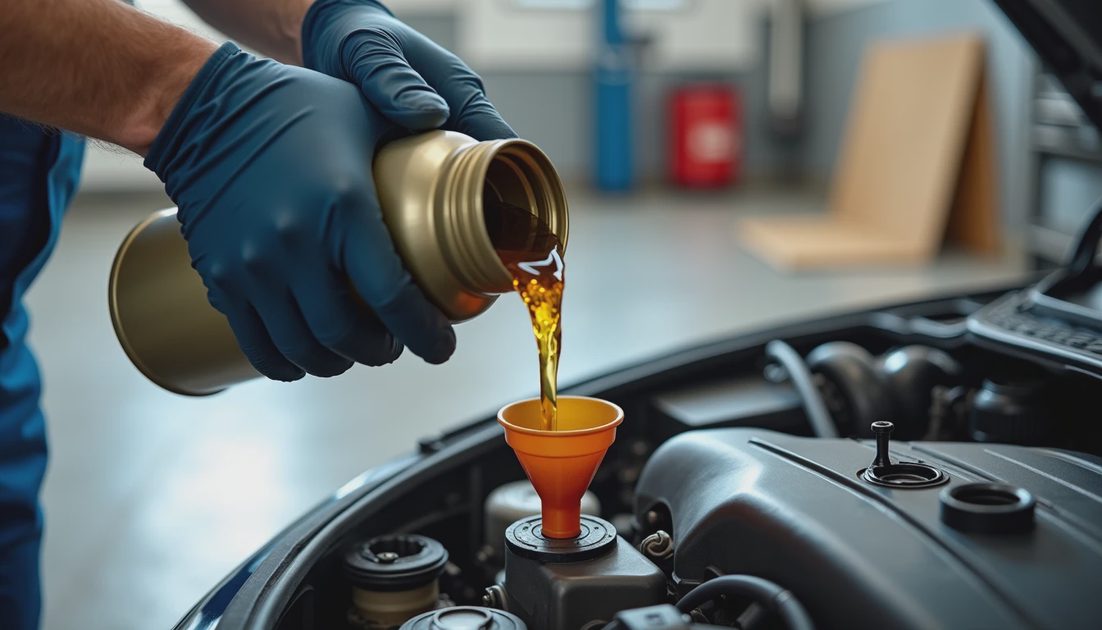
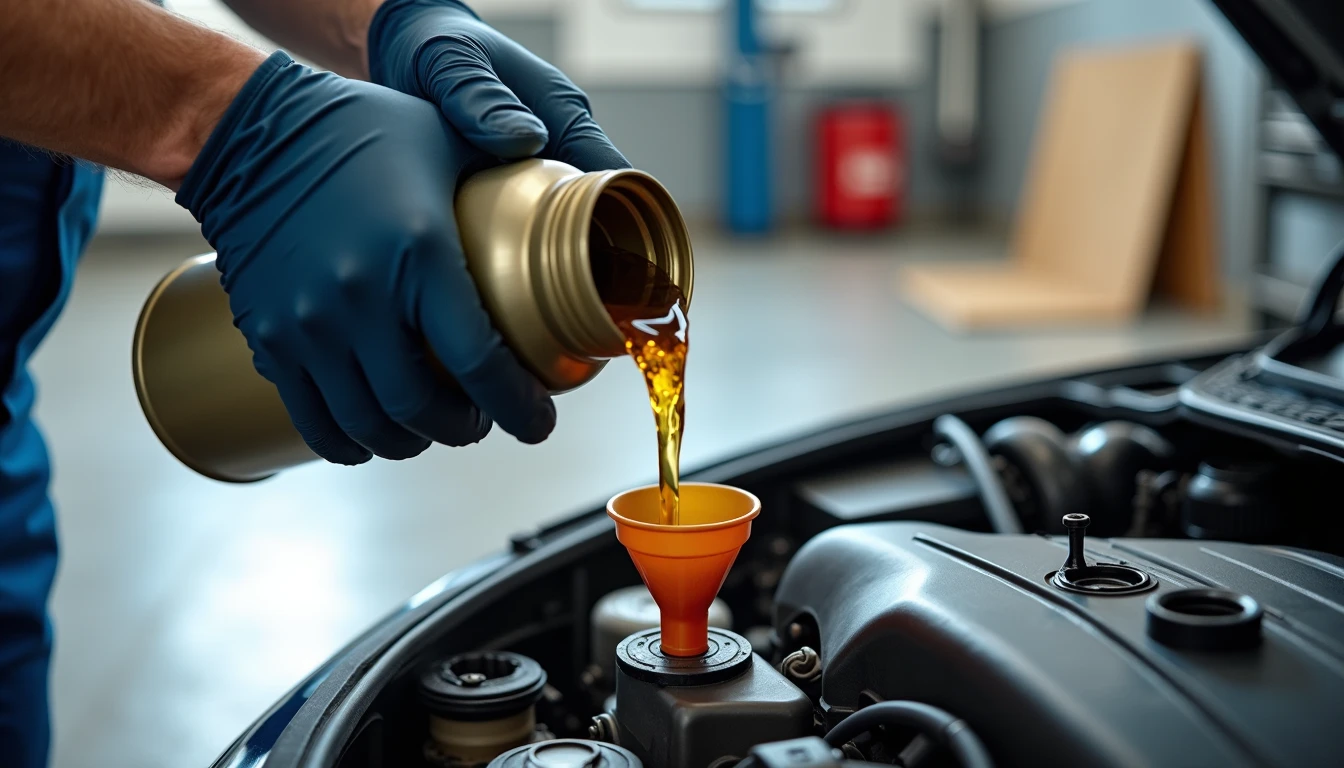
DIY and save: The source points out that if you’re modestly mechanically inclined and have tools and time, changing your own oil “shouldn’t take more than an hour.” You’re mainly paying for:
- The oil (conventional or synthetic, as required)
- The oil filter
Pro Tip: Lay down cardboard before you start. It’s a simple move that makes cleanup faster and keeps you from “discovering” leaks you didn’t have—just spilled oil.
Paying a dealer/shop: Your cost includes oil + filter + labor, and the source notes dealer oil changes “often include an inspection along with the oil change.” That’s part of why you might see $50 on one vehicle and $350 on another.
Science Corner: why viscosity and capacity matter so much
- Viscosity (oil thickness) is how the oil maintains a protective film between parts across temperature swings. Too thick or too thin for what the engine was designed around, and you can compromise flow and protection.
- Capacity (quarts) is pure math: if one engine needs 3.4 quarts and another needs 7–8 quarts, the second one uses roughly twice the oil every time you change it. If it also requires synthetic, you’ve multiplied cost again.
Common Mistakes (myths, pitfalls, warnings)
Myth: “I can just change oil by date or mileage—doesn’t matter.”
Reality: the source emphasizes your manual tells you “exactly how often to change your oil based on how and in what conditions you drive.” Time and mileage are both relevant depending on usage patterns and conditions.
Myth: “Synthetic is always required and always better for every engine.”
Reality: your manual specifies whether your vehicle takes conventional or synthetic oil. Synthetic costs more, but the correct choice is whatever your engine calls for.
Mistake: Ignoring the oil filter.
Reality: the oil change cost always includes an oil filter one way or another. Old oil plus an old filter is like taking a shower and putting dirty clothes back on.
Mistake: Stretching intervals until something feels wrong.
Reality: by the time you feel or hear a problem, you may already be into accelerated wear. The source warns neglected oil can become sludge and “cause the engine to fail.”
Pro Tip: If you’re trying to control costs, the smartest lever isn’t gambling with longer intervals—it’s getting the viscosity, capacity, and oil type right the first time so you’re not paying twice for mistakes.
Bottom Line (summary, recommended action)
An oil change is basic, annual-physical-level maintenance: irritating, time-consuming, and not free—but skipping it risks sludge, lost lubricity, accelerated wear, and even engine failure. Your owner’s manual tells you the required viscosity, capacity, oil type (conventional or synthetic), and change interval based on driving conditions. Real-world dealer pricing in the source ranges from $50 to $350, and the spread makes sense once you factor in oil type, how many quarts your engine takes, the filter, and labor. If you’ve got basic tools and an hour, DIY can cut out labor and make oil changes one of the easiest ways to save money without sacrificing reliability.