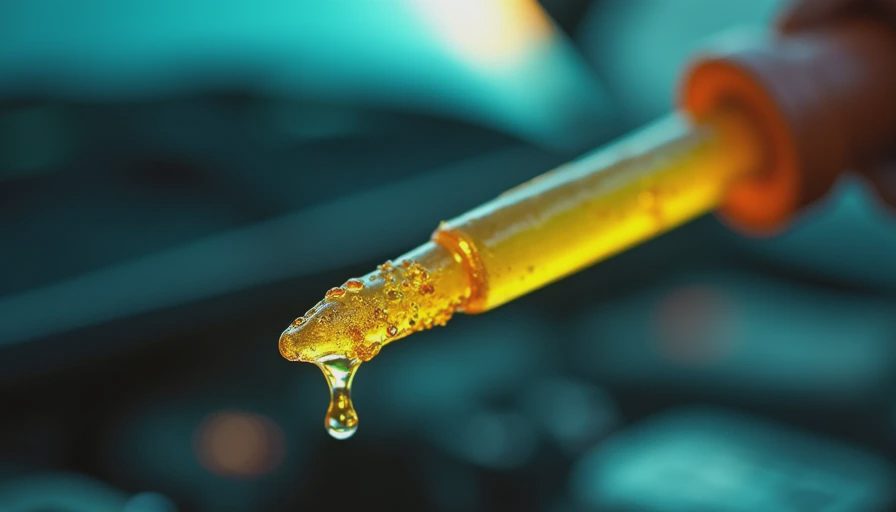
You've probably heard that seeing a milky, frothy substance on your dipstick means your engine is done for. Here's what the data actually shows: **coolant in oil milky color** is a serious symptom, but it's not always a death sentence. It signals that coolant—water and antifreeze mixture—has breached the oil system. The root cause determines the repair cost, and early action can save your engine. Let's break down the mechanisms, diagnosis, and actionable steps.
Why Does Coolant in Oil Produce That Milky Look?
Oil and coolant are immiscible. When they mix, the water and ethylene glycol (antifreeze) get whipped into an emulsion by the engine's moving parts. The result is a yellowish-tan to brownish goo resembling a milkshake. Science Corner: The emulsion is stabilized by detergents in the oil—the same additives that keep soot suspended now hold water droplets in place. That's why a simple oil change won't fix it; the contamination source must be sealed first.
The color intensity depends on coolant concentration. A small leak gives a just barely milky sheen; a major breach produces thick pudding. If you see **coolant in oil milky color** on the dipstick, stop the engine immediately. Running it worsens the emulsion and accelerates bearing wear.
Top Causes of Coolant-in-Oil Contamination
Blown Head Gasket
This is the most common culprit. The head gasket seals the narrow gap between the cylinder head and block, keeping combustion gases, coolant, and oil separate. When it fails—often due to overheating—a channel opens between a coolant passage and an oil return gallery. A failed gasket can also pressurize the cooling system, forcing coolant into the oil pan. Repair cost: $1,200 to $2,500 depending on vehicle and labor.
Cracked Cylinder Head or Engine Block
A crack can create a direct path for coolant to seep into the oil system. This is more common in engines cast from thin-wall materials or those that have experienced thermal shock (e.g., pouring cold water into an overheated radiator). A pressure test and dye inspection reveal these cracks. Repair often means head replacement ($800–$1,800) or block replacement ($3,000+).
Faulty Oil Cooler (in some vehicles)
Many modern engines have a heat exchanger that warms oil with coolant. If the internal seal ruptures, the two fluids mix. This is more common in heavy-duty trucks and some European models. An oil cooler replacement runs $400–$900.
Intake Manifold Gasket Leaks
On engines where the intake manifold carries coolant passages (e.g., GM's 3.1L and 3.4L V6), a leaking gasket can allow coolant to drain into the lifter valley and mix with oil. Repair is $600–$1,200.
How to Diagnose Coolant in Oil Milky Color
If the dipstick shows milky oil, follow these steps:
- **Check the coolant reservoir** for signs of oil. A film or dark goo confirms cross-contamination.
- **Perform a cooling system pressure test.** A hand pump pressurizes the system to 15 psi. If pressure drops quickly, look for external leaks or listen for air escaping into the oil pan (remove the oil cap and listen for gurgling).
- **Use a combustion leak tester.** This tool changes color in the presence of exhaust gases in the coolant—useful if the head gasket failure allows compression into coolant.
- **Send an oil sample for analysis.** A used-oil analysis can quantify coolant (water and glycol) and indicate the severity. Most labs report coolant contamination in parts per million.
If you're not comfortable with these steps, a shop can run a $50-$100 diagnosis. But never keep driving once you spot **coolant in oil milky color**.

What Happens If You Ignore It?
Ignoring milky oil harms engines in several ways:
- **Bearing damage:** Coolant dilutes the oil's viscosity, reducing the oil film's load capacity. Main and rod bearings can overheat and spin within 50 miles.
- **Scored cylinder walls:** Water prevents proper ring sealing, causing blow-by and excessive wear.
- **Destroyed catalytic converters:** Burning coolant introduces silicates that coat the catalyst, costing $1,000+ to replace.
- **Hydrolock:** A massive coolant leak can fill a cylinder with liquid, causing a connecting rod to bend or break on the next start. That's an engine replacement ($4,000+).
Repair Options and Cost Estimates
Once you've diagnosed the cause, decide between:
- **Head gasket sealant in a bottle** (e.g., K-Seal, Bar's Leaks): $20–$40. This is a temporary bandage only. It plugs the leak with ceramic particles, but it can clog radiators and heater cores. Not suitable for long-term use. Use only to get to a shop.
- **Replace the head gasket** ($1,200–$2,500): The proper fix. Includes machining the cylinder head surface to ensure flatness.
- **Replace the oil cooler** ($400–$900): If that's the cause, swap it out.
- **Replace the engine** ($3,000–$7,000): If the block or head is cracked beyond repair.
Remember, the solution depends on the root cause. No amount of oil changes will remove **coolant in oil milky color** if the source isn't sealed.
Prevention: How to Avoid This Mess
- **Don't overheat your engine.** Watch the temperature gauge; if it climbs, shut it down immediately.
- **Use the correct coolant type.** Mixing different colors (e.g., green with orange) can create gel-like deposits that weaken gaskets.
- **Change coolant per the owner's manual.** Most cars need a flush every 2–5 years to maintain protective properties.
- **Check your oil and coolant regularly.** A quick weekly check can catch early signs before milky oil appears.
If you see **coolant in oil milky color**, stop. Diagnose. Repair. Your engine will thank you.
---
*Marcus Webb is a petroleum engineer and lubricant formulator based in Tulsa, Oklahoma. He runs RevJudge to teach the chemistry behind engine lubrication—no brand loyalty, just data.*

No letters yet — pray write the first.