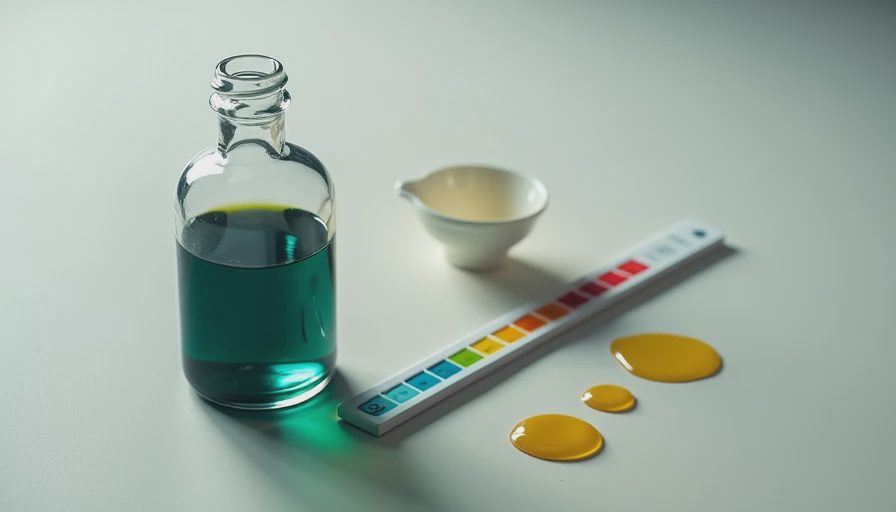
You’ve probably heard that oil changes are the cheapest insurance for your engine. But how do you know if your oil is actually still protecting? That’s where an **engine oil contamination test** comes in. A used-oil analysis can tell you exactly what’s floating around in your crankcase—before it causes damage. In this article, I’ll walk you through what contamination tests measure, how to interpret the results, and when you should run one.
Why an Engine Oil Contamination Test Matters
Most drivers treat the oil change as a calendar event: every 3,000 or 5,000 miles, drain and refill. But modern synthetics and longer intervals mean the oil might be fine—or it might be poisoned by fuel dilution, coolant leaks, or excess wear. An **engine oil contamination test** removes the guesswork. I’ve seen engines fail because a tiny coolant leak went unnoticed, or because fuel dilution thinned the oil to the point of metal-on-metal contact. A test costing $30–$50 can save you thousands in repairs. The data it provides—viscosity change, wear metal concentration, oxidation levels—tells you exactly when the oil has reached its limit.
A common myth I hear is that oil always looks dirty when it’s bad. That’s not true. Dark oil can still provide protection, while oil that looks clean can be loaded with insolubles. The only way to know is to test. If you remember one number from this post, make it this one: a 20% drop in viscosity from fresh oil is a red flag that demands immediate attention.
The Three Main Contaminants in Your Oil
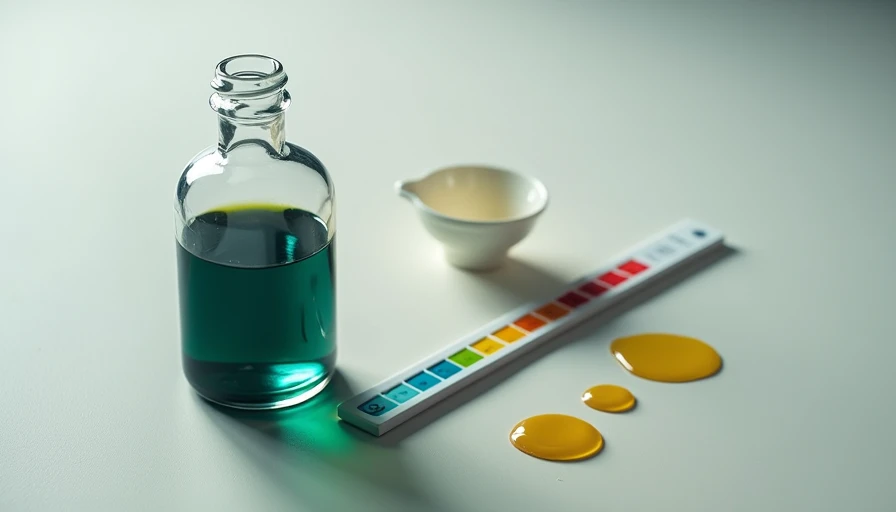
When I send an oil sample to the lab, they test for three categories of contaminants: fuel, coolant, and wear metals. Fuel dilution (unburned gasoline sneaking past the rings) lowers viscosity and reduces the oil film’s load capacity. Just 1–2% fuel can push an SAE 5W-30 down to something closer to a 5W-20. Coolant contamination—usually from a head gasket leak—creates acids that attack bearings and produce sludge. That sweet smell on the dipstick? Bad news. Wear metals like iron, copper, and lead tell you whether bearing surfaces or piston rings are wearing abnormally. A sudden spike in one metal points to a specific failure mode.
**Science Corner:** The lab uses infrared spectroscopy to detect fuel and coolant, and inductively coupled plasma (ICP) to measure wear metals. Standard thresholds: fuel under 2% is normal for direct injection engines; over 5% is critical. Coolant should be undetectable. Iron above 50–100 ppm depending on mileage calls for investigation.
Lab Analysis vs. DIY Dipstick Checks
Can you do an **engine oil contamination test** at home? Sort of. A dipstick can tell you the oil level and whether it smells like fuel or looks milky (coolant). But it can’t tell you the viscosity or metal content. I’ve seen many DIYers convince themselves the oil is fine because it looks okay, only to get a lab report showing 6% fuel dilution. Home testing kits exist (like those that check for water or glycol), but they’re no substitute for a full analysis from a certified lab like Polaris, Blackstone, or WearCheck. Those labs cost $25–$40 and give you a detailed PDF with trends over time.
For fleet operators, I recommend a baseline test at every oil change, then annual testing for personal vehicles. The trend is more important than a single snapshot. If your used-oil viscosity is creeping down over three consecutive samples, you’ve got a fuel dilution problem building.

Science Corner: What the Numbers Mean
Let’s decode a typical lab report. Viscosity at 100°C is the first number I look at. If the used oil is thinner than the new oil spec by more than 10%, something is thinning it (fuel or sheared additives). If it’s thicker, oxidation or soot is building up. Next, the TAN (total acid number) vs. TBN (total base number). TBN should remain above the low limit for your engine’s oil change interval. A TBN drop below 1.0 indicates the additive package is depleted—acid corrosion is next. Wear metal trends: iron (from cylinder walls, rings), copper (from bearings), lead (from bushings). A sudden 50 ppm jump in one element is more alarming than slow accumulation.
**Quick reference:** for a typical gasoline engine, iron under 30 ppm per 5,000 miles is excellent; 30–80 is normal; above 80 warrants investigation. Fuel dilution under 1% is ideal; 1–2% acceptable; over 2% starts to compromise protection. Coolant (glycol) should be zero. If you see any, the head gasket needs checking.
When to Schedule Your Next Engine Oil Contamination Test
Frequency depends on your driving style and engine. If you do mostly short trips, the oil never fully warms up, allowing fuel and water to accumulate—test every 5,000 miles. For highway commuters, every 7,500–10,000 miles is fine. Turbocharged engines, direct injection, and high-performance builds benefit from testing every 3,000–5,000 miles because they run hotter and dilute oil faster. Used-oil testing is also invaluable after buying a used car: you get a baseline of internal health that no seller can fake.
If you’re using extended-drain synthetics (15,000-mile claims), testing at 7,500 miles lets you see if the oil is still robust. I’ve seen cheap synthetics fail at 8,000 miles and expensive synthetics hold up for 12,000. The data, not the bottle, decides.
Final Thought: Specs Over Brand
I don’t tell people which oil to buy. But I do tell them to test their used oil. An **engine oil contamination test** is the only honest way to know if your oil is doing its job, regardless of brand. The next time you change your oil, save four ounces in a clean container and send it off. You’ll learn more about your engine’s health in one report than a lifetime of dipstick checks. Read the spec, not the bottle—and when in doubt, test.

No letters yet — pray write the first.