You've probably heard that oil leaks always drip from the bottom of the engine. Here's what the data actually shows: a significant number of leaks originate from the top, and they're often misdiagnosed. Whether it's a valve cover gasket or a camshaft plug, an **engine oil leak from top** can be just as messy and damaging as one from the pan—maybe more so, because it can drip onto hot exhaust components or ruin belts and sensors.
If you see oil pooling on top of the engine valve cover or running down the sides, you're dealing with a top-side leak. It's not always a crisis, but it deserves attention. Left alone, a slow **engine oil leak from top** can lead to low oil levels, burnt oil smell, and in extreme cases, engine damage. Let's break down what causes it, how to find the source, and what to do about it.
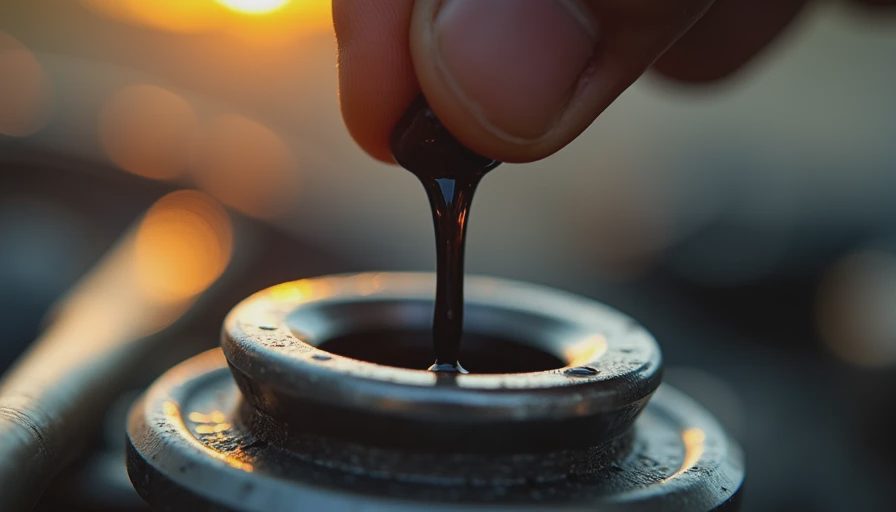
Common Sources of an Engine Oil Leak from Top
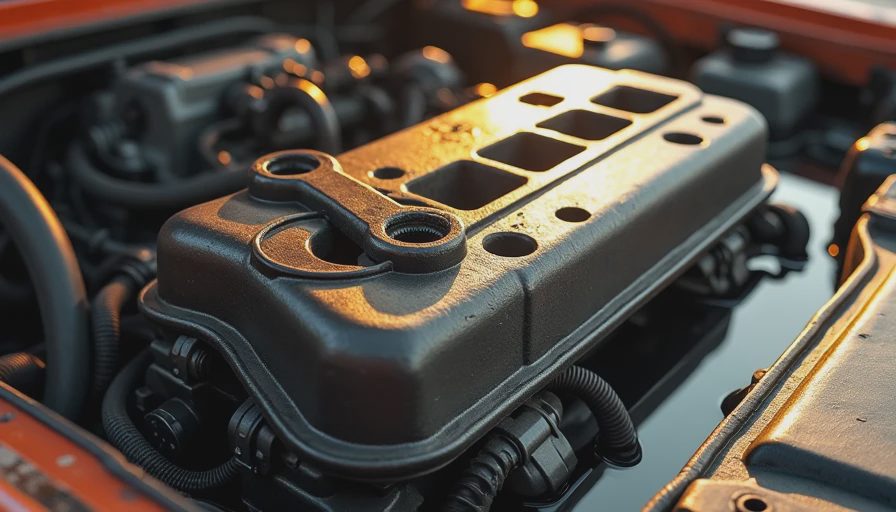
Most top-side oil leaks come from a handful of culprits. The valve cover gasket is the most common—it seals the space between the valve cover and the cylinder head. Over time, heat cycles harden the rubber (or cork) and it loses its seal. You'll often see oil seeping around the edges of the valve cover.
Other frequent offenders include:
- **VVT (variable valve timing) solenoids** – These have O-rings that dry out and leak.
- **Camshaft plugs** – Found on some engines, they can pop loose or crack.
- **Oil pressure sending unit** – Located on or near the top of the block, it can leak from its threads or switch body.
- **Spark plug tube seals** – If oil pools in spark plug wells, it's likely these seals under the valve cover.
Each of these can cause an **engine oil leak from top** that looks similar at first glance—oil on top of the engine, maybe dripping down the sides. But the fix is different for each, so accurate diagnosis matters.
Science Corner: Valve cover gaskets are typically made from silicone, ACM (acrylic rubber), or cork. Silicone offers better heat resistance but can be overcompressed. ACM withstands oil but gets brittle with age. Cork compresses well but dries out faster. Always check the material when buying a replacement—it should match the OEM spec.
Diagnosing a Top-Side Oil Leak Step by Step
Don't just wipe it off and hope it goes away. A methodical diagnosis saves time and money. Here's my process:
- **Clean the area thoroughly.** Use brake cleaner or degreaser and a rag. The goal is to remove all existing oil so you can see where fresh oil appears.
- **Let the engine idle** to operating temperature. A warm engine is under full pressure and the oil is thinner—leaks show up faster.
- **Inspect with a flashlight.** Look at the valve cover edges, the VVT solenoid, and around any sensors on top. Pay attention to the back of the engine near the firewall—it's easy to miss.
- **Check for oil in the spark plug wells.** Pull one plug wire or coil pack and look inside. If there's oil, it's likely the spark plug tube seals.
- **Use UV dye if needed.** Add a small amount of UV dye to the oil, run the engine, and shine a UV light. The dye glows at the leak point.
If you find the source, you've identified your **engine oil leak from top**. The next step is deciding on the fix.
When to Fix It Yourself vs. Call a Mechanic
Some top-side leaks are straightforward DIY projects. Replacing a valve cover gasket on an inline-4 engine, for example, is often an afternoon job. You'll need basic hand tools, a new gasket, and a torque wrench. But on a V6 or V8 with limited access—especially if it's near the firewall or under the intake manifold—the labor can double.
Here's a quick rule of thumb:
- **DIY-friendly:** Valve cover gasket (easy access), VVT solenoid O-ring, oil pressure switch.
- **Call a pro:** Camshaft plug (may require timing cover removal), leak under intake manifold, or any leak that requires removing accessory brackets.
Costs vary. A valve cover gasket kit might run $20–$60. A shop will charge $200–$600 depending on labor. For an **engine oil leak from top** that's hard to reach, the extra cost might be worth the headache.
Preventing Future Oil Leaks from the Top
Prevention starts with maintenance. Over-tightening valve cover bolts is a common cause of gasket failure—use a torque wrench and follow the spec (typically 7–12 ft-lb for small covers, up to 15–20 for larger ones). Also, check your PCV (positive crankcase ventilation) system. A clogged PCV valve can build crankcase pressure and push oil out through the weakest seal, often at the top.
If you're replacing a gasket, consider upgrading to a quality aftermarket silicone gasket rather than a cheap cork one. And always clean the mating surfaces thoroughly—old gasket residue is a leak waiting to happen.
Final Thoughts
An **engine oil leak from top** isn't something to ignore. But with the right diagnosis, it's often a manageable repair. The key is to identify the exact source before throwing parts at it. Read the spec sheet on your vehicle's OEM gasket materials, choose a quality replacement, and torque everything properly. The garage floor will stay clean, and your engine will thank you.
If you remember one number from this post, make it this one: torque the valve cover bolts to spec. Overtightening is the number one cause of repeat leaks. Read the spec, not the bottle.





No letters yet — pray write the first.