You've probably heard that a station either sells Top Tier gasoline or it does not, as if the answer alone settles every question about fuel quality. Is Cumberland Farms top tier gas? The short answer is that Cumberland Farms is not generally listed among the licensed brands in the official Top Tier program. That does not automatically mean its gasoline is harmful or that every tank will create engine problems. It means you should separate a recognized detergent standard from assumptions based on price, octane, or a familiar station sign.
What Top Tier gasoline actually means
Top Tier is a voluntary fuel-performance standard created by several automakers. A licensed retailer agrees to use detergent levels above the minimum requirements set by the U.S. Environmental Protection Agency. The goal is to limit deposits on fuel injectors, intake valves, and combustion-chamber surfaces over time. Top Tier applies across regular, midgrade, and premium gasoline sold under a participating brand, although individual station operations still matter.
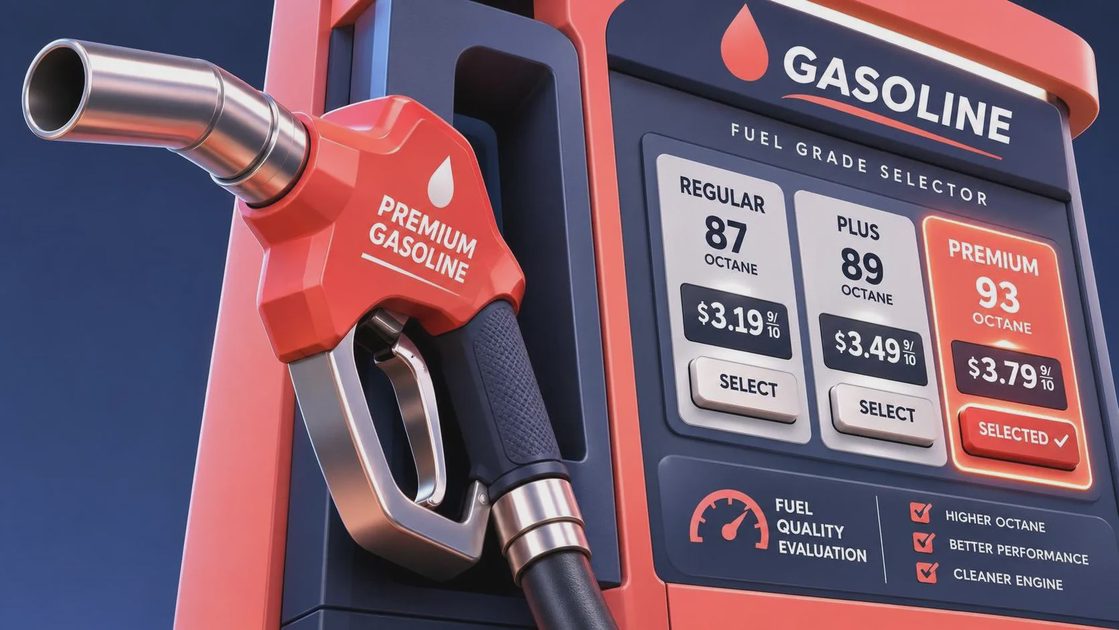
The important detail is that Top Tier is not an octane rating. Regular 87 octane fuel can meet the standard, and premium 91 or 93 octane fuel can fail to carry the designation if the retailer is not licensed. Octane measures resistance to abnormal combustion, commonly called knock. Detergent performance addresses deposit control. Those are different properties, and confusing them is how a lot of fuel advice goes off the rails.
So, is Cumberland Farms top tier gas under the formal program? Unless a specific location displays current licensing information and appears in the program’s official retailer directory, do not assume it is. A station can sell fuel that meets all federal legal requirements without being part of the higher voluntary standard.
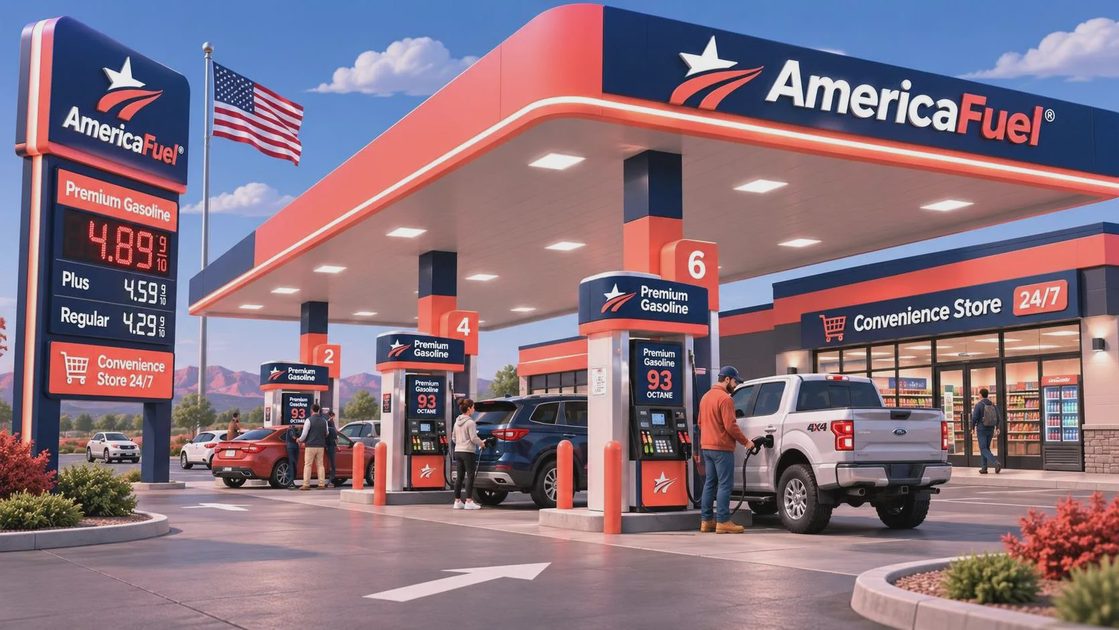
What Cumberland Farms fuel can still contain
Gasoline sold in the United States must meet EPA requirements for detergent additives. That baseline matters. Non-Top-Tier fuel is not supposed to be unregulated gasoline, contaminated product, or a guaranteed deposit problem. It generally contains a detergent package, but the exact chemistry, treat rate, and supplier can differ from the enhanced requirements used by Top Tier licensees.
Cumberland Farms also operates a retail network supplied through fuel terminals and distributors. Like many station brands, its gasoline may not come from one single refinery. The terminal, pipeline batch, additive injection system, storage tank condition, and station turnover all influence what reaches your vehicle. A major brand name cannot erase poor tank maintenance, and an independent or regional station is not automatically selling bad fuel.
Science Corner: Deposit-control additives are usually surface-active molecules designed to keep fuel-system surfaces cleaner by helping suspend or remove certain carbonaceous residues. They do not transform low-octane fuel into high-octane fuel, repair worn injectors, or compensate for an engine that burns oil. Additive chemistry is useful, but it has limits.
Is Cumberland Farms top tier gas for your engine?
Is Cumberland Farms top tier gas likely to damage a modern vehicle? There is no sound basis for saying that ordinary purchases will automatically cause damage. If the fuel meets federal specifications, your engine is designed to operate on it at the octane grade listed in the owner’s manual. A 2020 Toyota Camry calling for regular unleaded does not need premium merely because it was filled at a different retailer.
However, deposit control can matter over long service periods, especially in engines with direct fuel injection. In a port-injected engine, fuel washes over the back of the intake valves. In many direct-injection engines, it does not, so oil vapor and exhaust-gas recirculation can contribute to valve deposits through a separate pathway. Higher detergent fuel may help injectors and combustion areas, but it is not a complete solution for every deposit mechanism.
If your car runs smoothly, starts normally, and shows no change in fuel economy, there is no reason to panic over a tank from Cumberland Farms. If you notice hard starting, hesitation, or a check-engine light after refueling, first consider contaminated fuel, water intrusion, a loose gas cap, or an unrelated ignition problem rather than blaming the station without evidence.
How to compare fuel quality without guessing
When I evaluate a fuel question, I use a simple hierarchy. First, use the octane grade required by the manufacturer. Second, look for a current Top Tier logo if enhanced detergent performance is a priority. Third, choose stations with steady traffic, clean pavement around the pumps, and well-maintained equipment. High turnover can reduce the time fuel sits in an underground tank, although it is not a laboratory guarantee.
A practical comparison looks like this:
A driver with a turbocharged engine may need 91 or 93 octane because the manufacturer calibrates the engine for that fuel. Buying 87 octane to save 50 cents per gallon can produce knock control activity and weaker performance, regardless of the station’s detergent status. Another driver with a naturally aspirated engine specified for 87 octane gains little from premium. That driver should focus on the correct grade and a reliable retailer rather than paying for an unnecessary octane upgrade.
Is Cumberland Farms top tier gas relevant in either example? Yes, but only as one factor. The label does not override the owner’s manual, and the absence of the label does not prove immediate harm.
Fuel additives, storage, and real-world maintenance
Some owners use aftermarket fuel-system cleaners to compensate for concerns about detergent levels. Products containing recognized deposit-control chemistry can be useful in selected situations, but more is not always better. Do not pour solvent, oil additive, or unapproved treatment into the tank because a forum post promises extra power. Follow the product directions, and avoid mixing products with overlapping active ingredients unless the manufacturer permits it.
Storage is another issue. If a vehicle sits for months, oxidation and moisture can become more relevant than whether the fuel came from a Top Tier retailer. Keeping the tank reasonably full, using fresh fuel, and following the vehicle manufacturer’s storage guidance are more sensible steps than chasing a particular station brand. For boats, seasonal equipment, and seldom-driven cars, fuel age deserves special attention.
Also remember that engine oil condition affects deposits. An engine with excessive oil consumption can feed burned lubricant into the combustion process. A clean fuel injector cannot correct worn piston rings, a leaking valve seal, or a malfunctioning crankcase ventilation system. Diagnose the whole system instead of assigning every symptom to gasoline.
The answer in plain terms
Is Cumberland Farms top tier gas? Do not treat Cumberland Farms as a confirmed member of the formal Top Tier gasoline program unless the retailer and location are listed by the program or clearly display current certification. That is a narrow labeling answer, not a claim that every gallon is poor quality. Its fuel still must satisfy federal requirements, and vehicle behavior depends on octane, additive treatment, tank condition, fuel age, and engine design.
If you want the strongest deposit-control standard, select a licensed Top Tier retailer and use the octane your manual specifies. If Cumberland Farms is the convenient option, a normal fill-up is not a reason to expect instant engine trouble. Track symptoms, keep maintenance current, replace fuel filters where the vehicle specifies them, and investigate persistent drivability problems with diagnostic testing.
If you remember one number from this post, make it this one: use the octane number in the owner’s manual first. Then compare detergent standards. Read the spec, not the bottle, and do not confuse a retail logo with a complete assessment of fuel quality.



No letters yet — pray write the first.