You've probably heard that air in the cooling system simply means someone did a sloppy refill. Here's what the data actually shows: sometimes that is true, but trapped air can also point to a leak, a failed gasket, a damaged radiator cap, or a cooling-system component that is drawing air inward. Understanding what causes air in coolant system helps you avoid replacing a water pump when the real fault is a ten-dollar seal.
Coolant is nearly incompressible, while air is not. That difference matters. A pocket of air can compress and expand as engine temperature changes, interrupting coolant flow and creating hot spots around the cylinder head. The result can be an unstable temperature gauge, poor cabin heat, gurgling behind the dashboard, coolant loss, or an engine that overheats only under load.
What causes air in coolant system after a refill?
The most harmless explanation is incomplete bleeding after a repair. Opening the radiator, replacing a hose, changing a thermostat, or draining the block introduces air. Many modern cooling systems have high points where bubbles collect, especially near the heater core, thermostat housing, or cylinder head. If the system is filled quickly through the reservoir instead of the proper fill point, the trapped air can remain for days.
Some vehicles require a specific bleeding procedure. That might involve a bleeder screw, a vacuum-fill tool, raising the front of the vehicle, or running the engine with the heater set to maximum temperature. The exact method depends on the design. A 2018 Ford with a degas bottle is not filled the same way as an older Honda with a conventional radiator cap, so copying a generic online procedure can create more trouble.
Science Corner: coolant circulation depends on a continuous liquid column. The water pump can move liquid effectively, but it cannot reliably push a large compressible air pocket through every passage. An air-bound heater core often explains why the engine temperature looks normal while the cabin heater blows cold.
After a correct refill, the coolant level may drop once as trapped air is displaced. That is normal if the level stabilizes. A reservoir that repeatedly falls from the full mark to empty is not normal; it indicates coolant is leaving the system or air is entering through a leak.
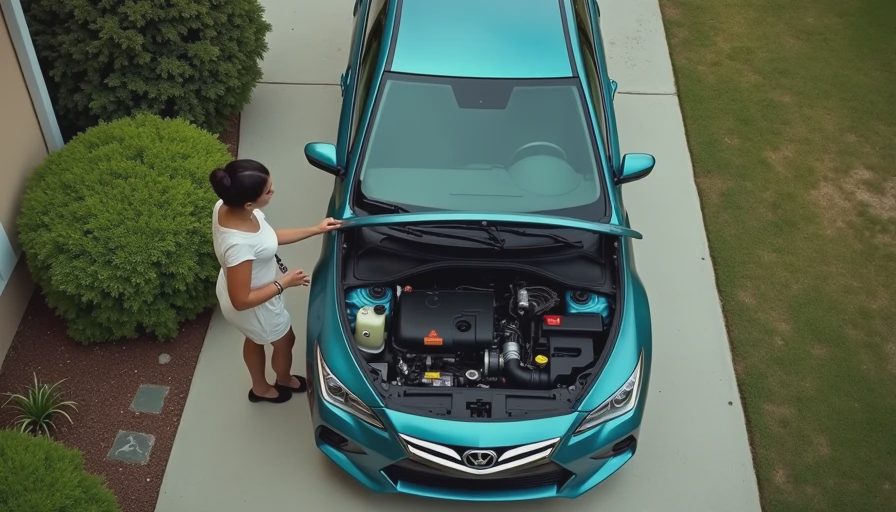
Leaks are a major answer to what causes air in coolant system
A cooling system is designed to operate under pressure, often around 13 to 18 psi depending on the vehicle. When a hose clamp, radiator seam, water-pump seal, or plastic tank develops a small leak, hot coolant may escape while driving. After shutdown, the system cools and contracts. That contraction can pull air back through the same weak point, even if you never see a dramatic puddle.
Look for dried coolant residue around hose connections, the thermostat housing, radiator corners, and the water pump. Depending on coolant chemistry, residue may appear white, pink, green, orange, or chalky. Do not rely on color alone because different formulas overlap, and some coolants are difficult to see on a dirty engine.
A cooling-system pressure test is usually the fastest confirmation. With the engine cold, a shop pumps the system to the cap's rated pressure and watches for a drop. A leak that appears only when hot may still evade a basic test, so inspect carefully and use ultraviolet dye only with a compatible product. Never remove a radiator cap from a hot engine; pressurized coolant can cause severe burns.
Can a bad radiator cap pull in air?
Yes. The radiator cap is more than a lid. It controls pressure with a spring-loaded valve and allows coolant to return from the overflow reservoir as the engine cools. If the return seal is hardened, torn, or contaminated, the system may draw air instead of pulling liquid back into the radiator.
This fault can look confusing. The overflow bottle may contain coolant, yet the radiator itself is low when checked cold. You may also hear sloshing after shutdown or see the upper hose collapse slightly. A replacement cap must match the specified pressure rating and physical design. Installing a higher-pressure cap is not an upgrade; it can increase stress on old hoses, plastic tanks, and gasket surfaces.
A cap tester can check opening pressure and vacuum recovery. At home, replacing an old cap with the correct specification is relatively inexpensive, but it should not be used to explain away persistent overheating or coolant loss. A failed cap is one possible cause, not a universal diagnosis.
Head-gasket problems and combustion gas
One of the more serious answers to what causes air in coolant system is combustion gas entering the cooling passages. A damaged head gasket, warped cylinder head, cracked block, or, on some engines, a failed cylinder liner seal can force exhaust gas into the coolant. The gas forms bubbles that expand as the engine warms, raising pressure and pushing coolant into the overflow bottle.
Common clues include a hard upper radiator hose shortly after a cold start, continuous bubbling in the radiator, unexplained coolant loss, repeated overheating, white exhaust smoke, or coolant contamination in the engine oil. None of these signs proves a head-gasket failure by itself. White vapor can be normal condensation, and milky oil can result from moisture in short-trip operation.
A combustion-leak test uses chemical fluid to detect exhaust gases above the coolant. A compression test or cylinder leak-down test can add useful evidence, but a negative result does not always eliminate a small or intermittent leak. If the coolant reservoir surges immediately after starting, stop driving until the cause is established. Overheating can turn a manageable gasket repair into a damaged head or complete engine replacement.

How to diagnose the source without guessing
Start with a cold engine and record the coolant level in the radiator and reservoir. Check the oil level and appearance, inspect all accessible hoses, and look under the vehicle for fresh or dried residue. Then run the engine with the heater on and observe whether cabin heat remains steady. Temperature changes that track with engine speed often suggest poor circulation or an air pocket, although they are not conclusive.
Next, inspect the temperature gauge behavior. A normal gauge does not guarantee a healthy cooling system because many dashboards damp small temperature changes. An infrared thermometer can compare the thermostat housing, radiator inlet, and outlet, but surface readings require careful interpretation. A scan tool showing coolant temperature is often more informative than the dashboard needle.
If the level drops, perform a pressure test. If pressure holds but bubbles continue, test for combustion gases. If the system was recently opened, bleed it using the vehicle service procedure before condemning expensive parts. This sequence separates trapped air, external leakage, cap failure, and internal engine faults with fewer unnecessary purchases.
Repair priorities and prevention
The repair depends on evidence. A loose clamp may cost less than $30 in parts, while a radiator, water pump, or thermostat housing can run from roughly $150 to $900 installed depending on vehicle access and labor rates. A head-gasket repair often reaches several thousand dollars because the cylinder head must be removed, measured, and sometimes machined. Those ranges are why testing should come before parts swapping.
Use the coolant type and mixture specified by the vehicle manufacturer. Mixing incompatible formulas can create deposits or reduce corrosion protection, while plain water is not a suitable long-term substitute because it lacks freeze protection and inhibitors. Coolant additives protect metals from corrosion, but they cannot repair a cracked hose or seal combustion pressure.
If you remember one number from this post, make it the pressure rating printed on the original cap or specified in the service information. Read the specification, not the bottle marketing. After any repair, bleed the system, verify stable heat from the heater, recheck the cold level over several drive cycles, and investigate any renewed bubbling or temperature rise promptly. That method answers what causes air in coolant system with evidence rather than guesswork.




No letters yet — pray write the first.