Follow These Oil Change Intervals to Avoid a $4,000 Engine Rebuild
You've probably heard that changing your oil every 3,000 miles is the golden rule of engine maintenance. Here's what the data actually shows.
Why This Matters
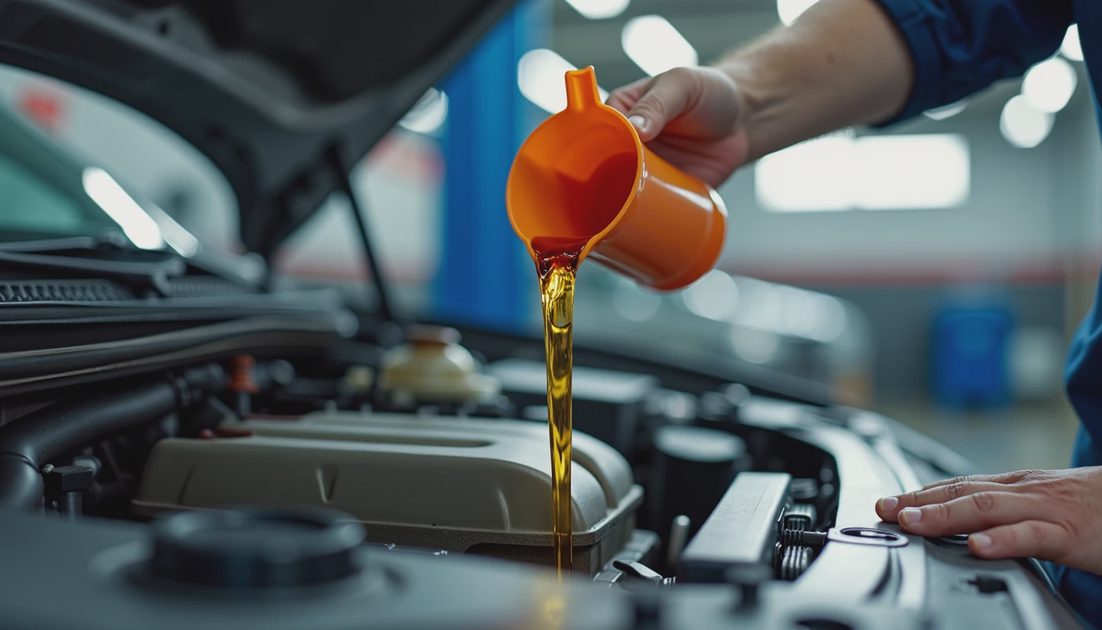
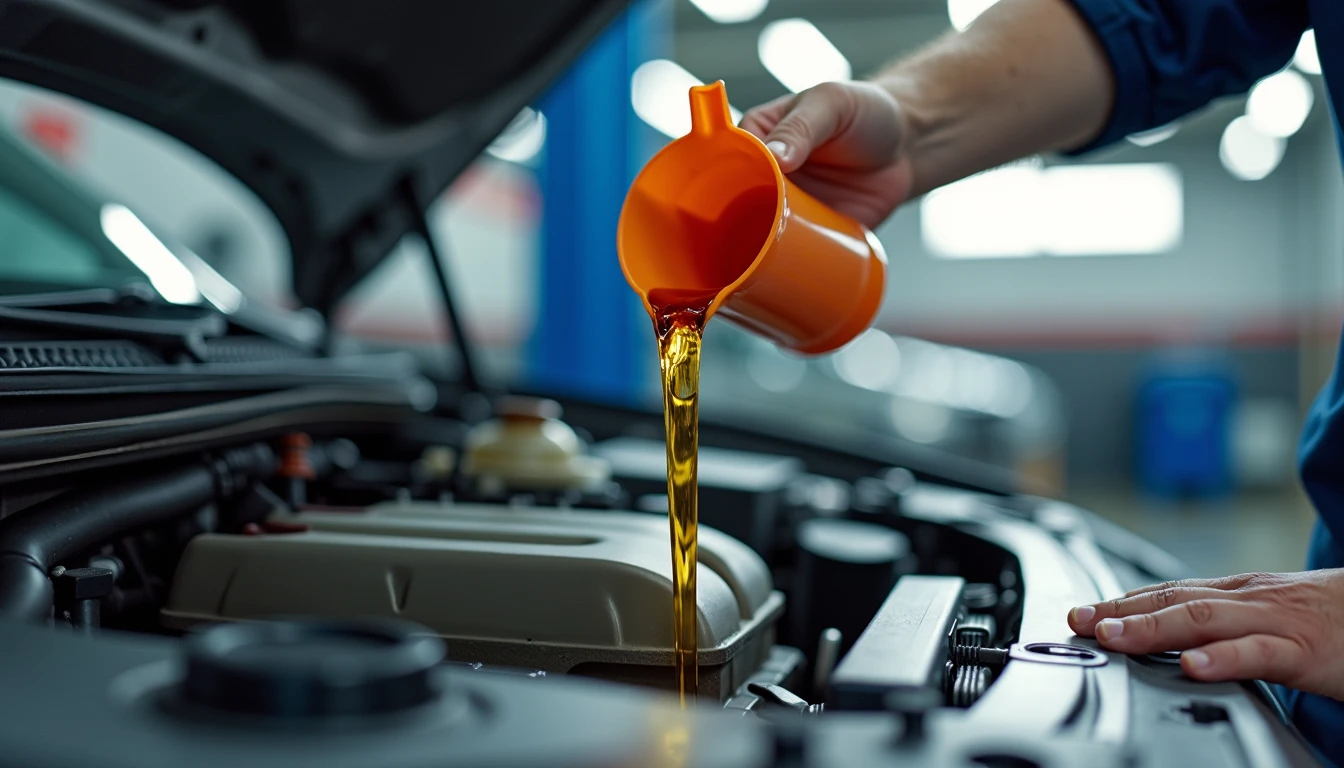
Skipping or misjudging your oil change interval is one of the fastest ways to turn a routine maintenance task into a catastrophic engine failure. Engine oil isn't just a lubricant; it's a liquid shield that carries away heat, suspends combustion byproducts, and prevents metal-on-metal contact. When that oil breaks down, friction spikes, sludge forms, and critical clearances wear out. Following the correct schedule protects your warranty, keeps your engine running efficiently, and saves you from unexpected downtime and costly repairs. The national average cost for a proper oil change sits between $130 and $145. Compare that to the thousands you'll spend on a rebuild, and the math is straightforward.
What You Need to Know
Your vehicle’s owner’s manual is the ultimate authority. It specifies the exact viscosity (how thick the oil is at a given temperature) and API rating (a standard set by the American Petroleum Institute that certifies oil meets specific performance benchmarks) your engine requires. Modern recommendations have shifted dramatically based on oil chemistry and engine tolerances:
- Every 3,000 miles: Suitable for older model or heavy-use vehicles with wider engine tolerances and less refined lubricants.
- Every 5,000 miles: Suitable for most modern engines, balancing maintenance frequency and cost-effectiveness.
- Every 7,500 miles: Recommended for newer vehicles with improved engine designs requiring synthetic oil.
- Every 10,000 miles: Recommended for vehicles requiring advanced synthetic oil and tightly controlled manufacturing tolerances.
Many modern cars also feature a built-in oil-life monitor. This system uses sensors and algorithms to calculate the oil’s condition based on your actual driving habits, notifying you through the instrument cluster when it’s time for a change.
> Science Corner: Why do intervals stretch from 3,000 to 10,000 miles? It comes down to additive packages and base oil refining. Conventional oil is distilled directly from crude oil and contains more impurities that break down under heat. Synthetic oils are heavily refined and engineered at the molecular level, creating uniform hydrocarbon chains that resist oxidation (chemical breakdown from heat) and maintain viscosity longer. Additives like detergents, dispersants, and anti-wear compounds (typically zinc and phosphorus-based) neutralize acids and protect surfaces. As these additives deplete, the oil loses its protective capability, which is why intervals are tied to oil type and driving conditions.
How It Works
Determining your actual change schedule requires matching your driving environment to the manufacturer’s guidelines. If you don’t know where to start, pull the dipstick and check the fluid. If it’s dark, gritty, or smells burnt, it’s time for a change regardless of the odometer.
> Pro Tip: Warm the engine for 5 minutes before checking the dipstick or draining oil. Cold fluid doesn't drain fully and gives a false reading on the stick.
If you operate under severe conditions, you must shorten your interval. Severe driving is defined as frequent short trips, freezing temperatures, heavy traffic in hot weather, off-road or dusty environments, heavy towing, continuous high-speed driving, or frequent stop-and-go patterns. These conditions accelerate additive depletion and increase contaminant load. Always follow the manufacturer’s recommended schedule to maintain warranty coverage and ensure optimal performance. If your manual calls for synthetic oil, do not substitute conventional fluid to save money—the extended drain interval and thermal stability are built into your engine’s design parameters.
Common Mistakes
Despite what forums say, you CAN overfill your oil — here's what happens. Adding too much fluid causes the crankshaft to whip the oil into foam. Foamed oil contains air bubbles, and air compresses. When your oil pump tries to circulate aerated fluid, it delivers inconsistent pressure, leading to momentary lubrication starvation and accelerated bearing wear. Another frequent error is ignoring the oil filter. The filter traps metal shavings, carbon, and sludge. If you change the oil but skip the filter, you’re immediately contaminating your fresh lubricant with the old debris. Finally, never guess your viscosity. Using a thicker oil than specified increases internal drag and reduces fuel efficiency, while a thinner oil may fail to maintain the hydrodynamic film needed to separate moving parts at operating temperature.
Bottom Line
Stick to your owner’s manual, match the fluid to your driving conditions, and respect the chemistry. Whether your schedule calls for 5,000 or 10,000 miles, consistency matters more than chasing arbitrary numbers. Check your oil level monthly, replace the filter every time, and let the manufacturer’s data—not shop rumors—dictate your maintenance calendar. Your engine will reward you with decades of reliable service.