Skipping oil changes costs thousands. Here’s how a $25 to $100 service protects your engine.
You've probably heard that you need to change your oil every 3,000 miles. Here's what the data actually shows. Changing your engine oil on schedule can prevent a $5,000 catastrophic engine failure. Let me show you what actually happens inside your engine when you stay on top of this simple maintenance.
Why This Matters
Routine oil changes are the most affordable maintenance you can perform, yet they deliver the highest return on engine longevity. Inside your block, dozens of metal components slide, spin, and reciprocate under extreme pressure. Without fresh lubrication, friction accumulates rapidly around moving parts, generating heat that accelerates wear and eventually seizes the engine. A standard service typically costs between $25 and $100, depending on your geographic location, vehicle size, and lubricant choice. Paying that outlay consistently preserves internal components, maintains performance, and keeps your manufacturer warranty intact.
What You Need to Know
The price and performance of an oil change depend on three variables: where you live, your vehicle’s year/make/model, and the oil grade you select. Standard service requires four to five quarts of lubricant and a new filter. Larger engines or luxury models often demand higher volume and premium formulations. You will generally choose between conventional oil, synthetic blend, or full synthetic. Conventional oil is refined directly from crude and costs the least, but it degrades faster under heat. Synthetic oil is engineered at the molecular level with specific additive packages that reduce friction, resist thermal breakdown, and extend service life. Newer vehicles frequently require full synthetic; using conventional oil in those engines can void your warranty.
When selecting the correct fluid, focus on the viscosity (how thick the oil is at a given temperature) and the API rating printed on the bottle, which certifies the lubricant meets current engine protection standards. Always match the manufacturer’s specification rather than guessing.
> Science Corner: How Additives Actually Work
> Base oil alone cannot protect a modern engine. Lubricant manufacturers blend an additive package to handle chemical stress. Detergents neutralize acidic combustion byproducts, dispersants keep microscopic soot particles suspended so they do not clump into sludge, and anti-wear compounds form a sacrificial protective film on bearing surfaces during high-pressure contact. When oil turns dark and thick, it means those additives are exhausted and can no longer suspend contaminants or shield metal. That is why tracking time and mileage matters more than color alone.
How It Works
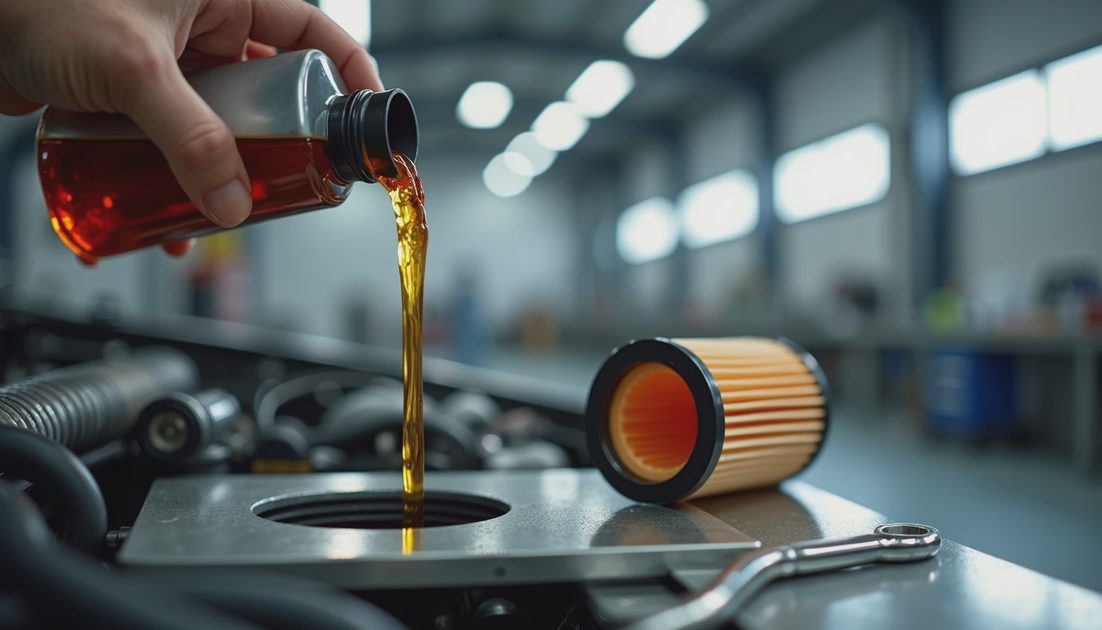
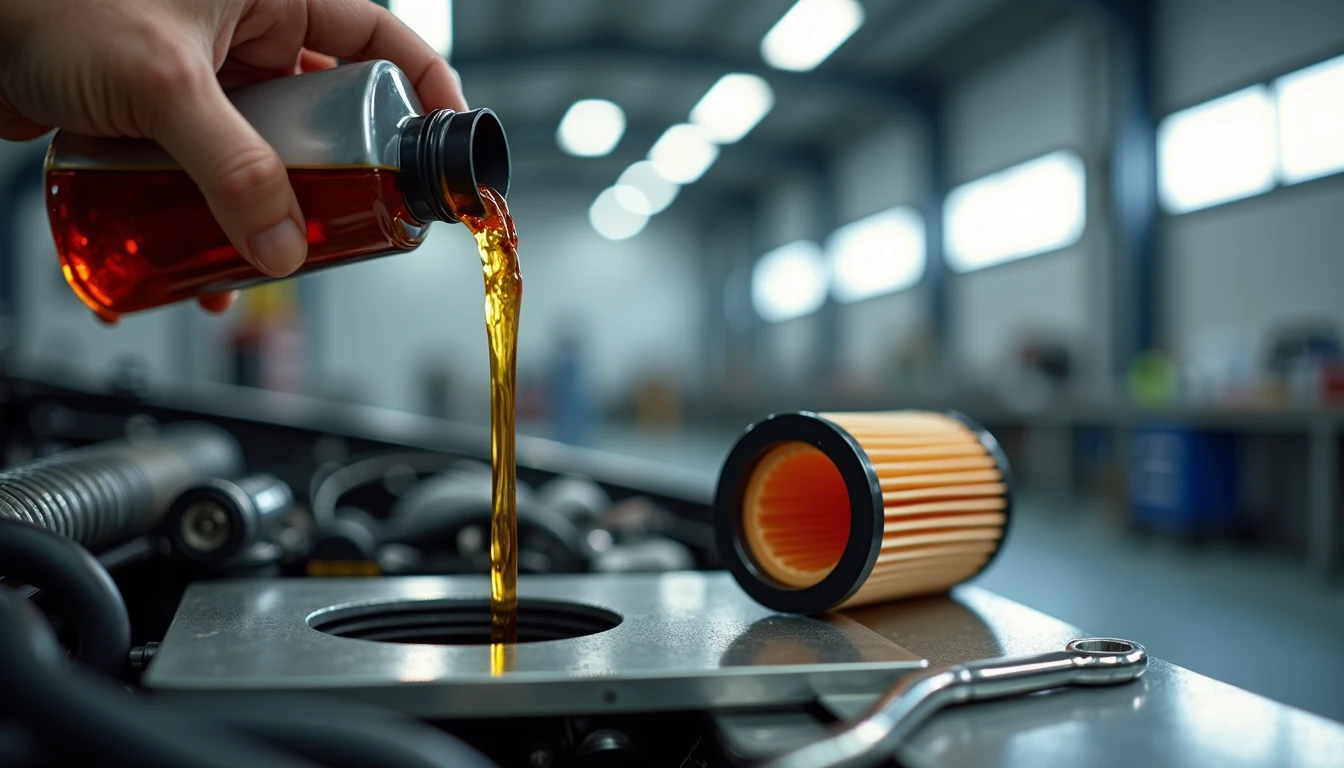
A proper oil change follows a strict sequence to ensure complete contamination removal and system protection. First, the technician lifts the vehicle and drains the old fluid through the drain plug, allowing gravity to pull out the majority of suspended particles. The old filter is removed and replaced with a new one; this step is non-negotiable, as a clogged filter restricts flow and forces oil past the bypass valve, sending unfiltered debris straight into your engine. Once the fresh four to five quarts are poured in, the vehicle is lowered and run briefly to circulate the lubricant and pressurize the new filter.
A comprehensive service also includes topping off windshield washer fluid and coolant, inspecting the cabin air filter and engine air filter, checking tire pressure, and visually inspecting wiper blades, belts, hoses, and other vital fluids like power steering and brake fluid. High-wear contact points such as door hinges, the chassis, and the hood latch are lubricated to prevent squeaks and corrosion.
> Pro Tip: Always run the engine for five minutes before draining. Cold fluid is thicker and clings to the pan walls, meaning you will leave more old oil and suspended contaminants inside. A warm drain pulls out a significantly higher percentage of degraded lubricant.
Common Mistakes
The biggest myth in automotive maintenance is the rigid 3,000-mile rule. While severe driving conditions demand frequent changes, most modern vehicles safely exceed that interval. However, relying solely on mileage instead of actual fluid condition or manufacturer guidelines is risky. Watch for these warning signs that your lubricant has broken down: loud or unusual engine noises, a noticeable drop in oil level on the dipstick, degraded acceleration or throttle response, oil that has turned completely black and opaque, or a persistent/flash check engine light.
Another frequent error is overfilling. Despite what forums say, you CAN overfill your oil. Excess fluid increases crankcase pressure, causes the crankshaft to whip the lubricant into foam, and leads to aerated oil that cannot lubricate properly. This results in bearing damage, seal leaks, and catalytic converter failure from burning oil. Always check the dipstick after filling and stop at the upper mark.
Bottom Line
Oil changes are not a suggestion; they are the foundation of engine longevity. The $25 to $100 investment covers four to five quarts of fresh lubricant, a new filter, and a multi-point inspection that catches small issues before they become expensive repairs. Follow your owner’s manual for the correct viscosity and API rating, choose the oil type your manufacturer specifies, and never ignore the warning signs of degraded fluid. Stay consistent, track your service intervals, and your engine will reward you with reliable performance for hundreds of thousands of miles.