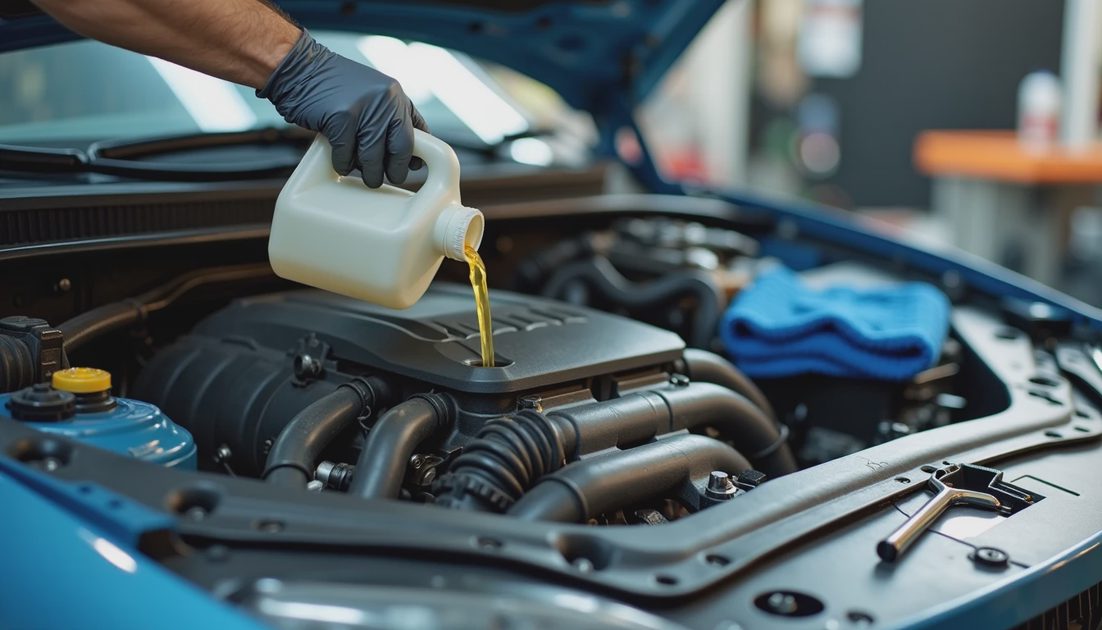
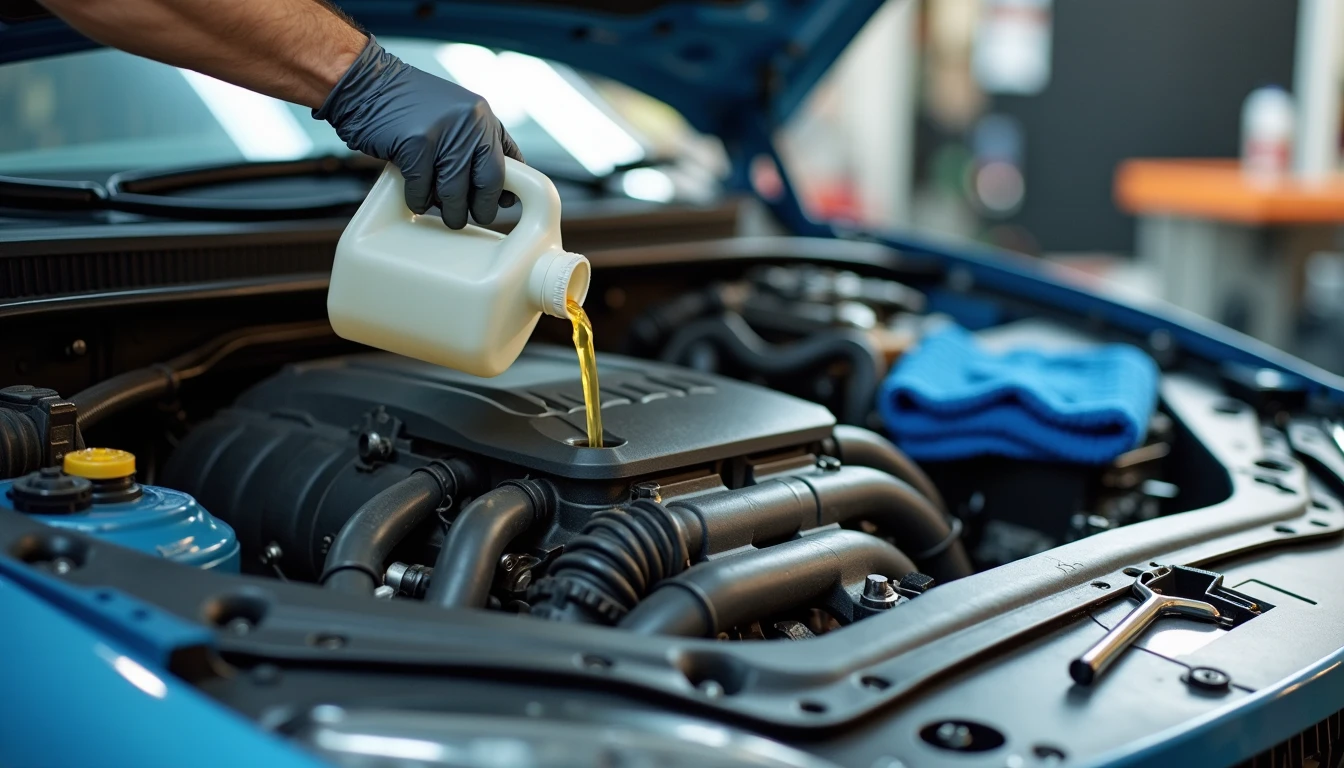
Stretching oil change intervals the right way can prevent catastrophic engine wear and a premature rebuild
Why This Matters (cost/safety/longevity payoff)
You’ve probably heard that “oil is oil” or that you can “just go 10,000 miles no matter what.” Here’s what the data actually shows inside the engine: oil doesn’t just get dirty — it chemically ages. When motor oil oxidizes (reacts with oxygen under heat), it loses its ability to lubricate, cool, and clean. Keep pushing old, oxidized oil past its service life and you’re gambling with accelerated wear, sludge, and heat damage that can snowball into major repairs.
The practical payoff is simple: doing oil changes on time, using the right oil type for how hot your engine runs, is one of the cheapest ways to keep an engine from wearing itself out early.
What You Need to Know (specs, types, intervals)
The source breaks oil changes into three oil types, each with a different protection level, temperature tolerance, and typical interval. Don’t treat these as marketing labels — treat them as performance envelopes.
Conventional oil
- Protection limit: up to 275°F
- Typical change interval: every 3,000 to 5,000 miles
- Key fitment note: not compatible with every engine
- Specifically, some turbocharged or high-performance engines can reach temperatures higher than what conventional oil can protect.
High mileage oil (often a synthetic blend)
- What it is: a formulation of both synthetic and conventional oil
- Common additive focus (from the source):
- Detergents to break up engine sludge
- Sealants to help prevent oil leaks
- Additional lubricants that can help with fuel economy
- Typical change interval: every 5,000 to 7,500 miles
Full synthetic oil
- Cold-weather performance: specifically praised for cold performance in the source
- Protection limit: up to 475°F
- Typical change interval: every 7,500 to 10,000 miles
- Why it matters: helps keep the engine cleaner and protects at higher temps.
Important boundary: The source repeatedly points you back to your vehicle manufacturer’s recommendations. Use the intervals above as typical ranges tied to oil type, then match them to what your owner’s manual or maintenance schedule calls for.
Pro Tip: If you’re driving a turbocharged or high-performance engine, don’t assume conventional oil is “fine because it’s cheaper.” Those engines can operate beyond conventional oil’s 275°F protection ceiling.
How It Works (what’s happening inside your engine)
You’ve probably heard that oil “breaks down.” Let me show you what actually happens inside your engine.
Oil’s job is three-fold
According to the source, motor oil must:
1. Lubricate moving parts (reduce friction and wear)
2. Cool (carry heat away from loaded parts)
3. Clean (hold contaminants and keep deposits from sticking)
Oxidation is the enemy (and it’s heat-driven)
As oil ages, it begins to oxidize, meaning it loses protective ability to cool, lubricate, and clean. That’s not opinion — it’s basic chemistry: heat speeds up oxidation reactions. The source also notes oil can instantaneously oxidize if it heats beyond a certain temperature. Translation for a DIYer: once oil is pushed outside its temperature capability, it can degrade rapidly, not gradually.
That’s why the temperature limits matter:
- Conventional oil: protection up to 275°F
- Full synthetic: protection up to 475°F
Choosing the right interval is really choosing the right operating envelope
Use this simple workflow:
1. Follow the manufacturer’s recommended service schedule for your vehicle “for the life of your vehicle,” as the source says.
2. Match the oil type to your engine’s heat and use case:
- If the engine runs hotter (turbo/high-performance), conventional oil may not be compatible.
- If the engine is aging and showing typical older-engine concerns, high mileage oil’s additive approach (detergents, sealants, extra lubricants) may be a better fit.
3. Use the oil-type interval range as your guardrails:
- Conventional: 3,000–5,000 miles
- High mileage: 5,000–7,500 miles
- Full synthetic: 7,500–10,000 miles
Pay attention to what your vehicle is telling you
The source lists early warning signs that you may be due:
- Rough operation
- Reduced fuel economy
- Maintenance reminder light
And it warns that ignoring those can lead to more serious problems, including:
- Engine stalling
- Exhaust smoke
Pro Tip: Don’t treat a maintenance reminder light as “optional.” It’s often timed around expected oil life, not just mileage, and the cost of being wrong is high.
Common Mistakes (myths, pitfalls, warnings)
Myth: “Going way past the interval is fine if the engine still sounds okay”
Reality: The source explicitly notes shops see repairs caused by owners not changing oil on time. Oil that’s oxidized can still “look okay” on the dipstick but has lost the chemistry that does the protection.
Mistake: Choosing oil by price instead of temperature capability
Conventional oil is the lowest-cost option, but the source is clear: it’s not compatible with every engine, especially ones that run hotter like some turbocharged or high-performance setups.
Mistake: Ignoring fuel economy drop or rough operation
The source calls these out as symptoms tied to overdue oil service. Treat them as a maintenance cue, not a mystery problem to drive through.
Myth: “Synthetic always means you can ignore the schedule”
Full synthetic does have a longer typical interval (7,500–10,000 miles) and higher temperature protection (475°F), but it still needs to be changed on time per manufacturer recommendations. Extended intervals don’t mean infinite intervals.
Bottom Line (summary, recommended action)
Old, oxidized oil can’t protect an engine the way fresh oil can. Pick the oil type that matches your engine’s heat demands, then stick to the typical interval for that oil type — 3,000–5,000 miles (conventional), 5,000–7,500 miles (high mileage), or 7,500–10,000 miles (full synthetic) — while always prioritizing your manufacturer’s maintenance schedule. If your car starts running rough, losing fuel economy, or throwing a maintenance reminder light, don’t stretch it: service the oil before oxidation turns into wear and deposits you can’t undo.