Car Maintenance Myths: What the Data Actually Shows
You've probably heard that your car will fall apart if you ignore the old rules of the garage. Here's what the data actually shows. There are dozens of car maintenance myths floating around, and some of them can cost you serious money. Whether it's the 3,000-mile oil change or the premium fuel ritual, the evidence often points the other way. The best way to separate fact from folklore is to look at the chemistry and the spec sheet.
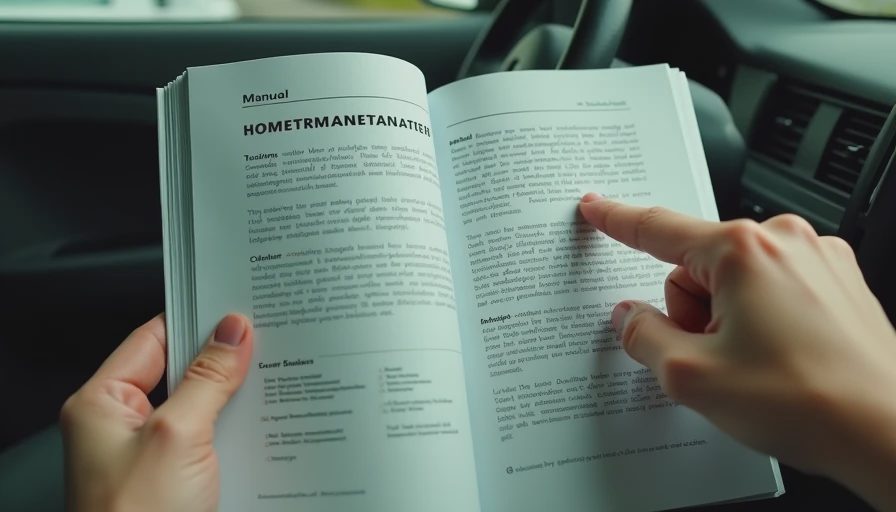
Modern engines are built tighter than the engines your father worked on, and oil chemistry has changed too. Yet many of us follow a schedule from a 1982 owner's manual. Let's walk through the most expensive car maintenance myths I see as a lubricant formulator.
Myth 1: Change Your Oil Every 3,000 Miles
The 3,000-mile oil change is the grandfather of all car maintenance myths. It made sense when oil was lower quality and engines burned rich. Modern API SP oils, with their advanced additive packages, handle far more miles between changes. A typical 2020 sedan with full synthetic is designed to go 5,000 to 10,000 miles between oil changes, sometimes more.
Most manuals now list intervals between 5,000 and 10,000 miles, and some full-synthetics are engineered for 15,000. If you do mostly short trips or heavy towing, shorten that. Used-oil analysis tells the real story, not the odometer. The chemistry of the oil after 7,000 miles will show whether the additives have held up.
Changing a modern sedan's full synthetic every 3,000 miles is throwing money away. Read the spec, not the bottle. If you want data, spend $30 on a used-oil analysis; that report is worth more than any checklist. The lab will tell you the viscosity, the acid number, and whether the additive package is still working.

Myth 2: Premium Fuel Is Worth It for Every Car
Premium fuel belongs on any list of car maintenance myths. A higher octane rating prevents knock in high-compression engines, but if your owner's manual doesn't require it, you're paying for nothing. The fact that premium is the top tier doesn't matter if the engine's timing maps are tuned for regular.
A standard car with a naturally aspirated engine won't make more power or better fuel economy on 93 octane. Running premium in a car designed for regular can even reduce mileage slightly, because the engine doesn't advance timing enough to use the higher detonation threshold.
The money you save skipping premium could be a few hundred dollars a year. Spend it on oil changes, filters, or a proper coolant flush. Those maintenance items will actually extend the life of the car.
Myth 3: Flush Your Transmission Every 30,000 Miles
Transmission service schedules vary wildly. Some automakers call it lifetime fluid; others say 60,000 miles. A power flush is a red flag. It can dislodge deposits and clog valve bodies in high-mileage units. The flush machine's pressure might do more harm than good.
A drain-and-fill or pan drop is the gentler service. A full power flush on a 150,000-mile transmission is one of the car maintenance myths that can turn a smooth shifter into a slipping one. That's a repair bill you don't want to create.
If it's shifting fine, follow the manual's severe service interval. Check fluid color and smell every 20,000 miles if you tow. Dark burnt fluid means service time, regardless of what the mileage tab says.
Science Corner: Why the 3,000-Mile Barrier Fell
The oil in your sump is a blend of base oils and additives. Detergents prevent sludge, dispersants hold soot, and antioxidants fight breakdown. In the 1970s, additive loads were lighter and fuel sulfur was higher, so oil degraded faster. That's where the old 3,000-mile rule came from.
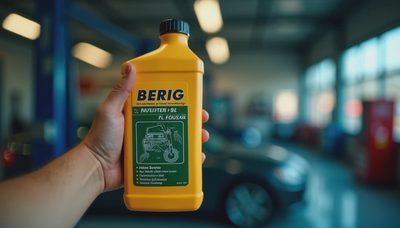
API SP oils are designed for low-speed pre-ignition, timing chain wear, and turbo deposits. The logic behind a fixed 3,000-mile oil change is obsolete in most vehicles.
Myth 4: Overinflating Tires Improves Fuel Economy
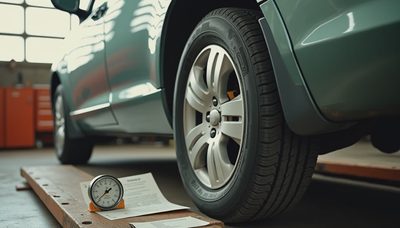
Higher pressure reduces rolling resistance, but the max sidewall pressure isn't your car's recommended pressure. Overinflating can reduce grip and cause uneven wear. The door jamb label is the number the suspension was designed around.
Inflating to 40 psi when the door says 32 changes the contact patch, increases stopping distance, and often saves less than one mpg. Tires designed for 32 shouldn't be run at max. The fuel economy gain isn't worth the safety tradeoff.
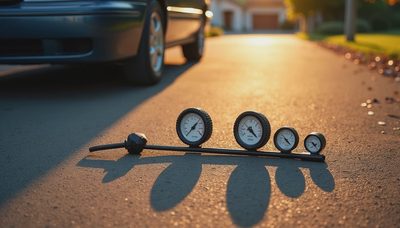
Keep tires at the door-sticker pressure and use the viscosity grade in the manual. That's the real fuel economy hack. Proper tire pressure also extends tire life, so you save twice.
Frequently Asked Questions
Should I change my oil before a long road trip? If you're near the interval, yes. Otherwise, a modern engine with full synthetic can easily handle a 1,000-mile drive. Check the level, not the calendar. Your owner's manual is a better guide than any garage legend.
Can I use a higher viscosity oil in summer? Only if the manual allows it. Using 10W-30 when the engine calls for 5W-20 can reduce fuel economy and increase wear on oil pump components. The viscosity grade in the manual is the one the oil pump was designed for.
Is it true that synthetic oil causes leaks in older engines? No. Synthetic oil doesn't cause leaks; it can clean old varnish that was acting as a seal. If a seal is brittle, the new oil may make a small leak visible. That doesn't mean the oil is bad.
The Bottom Line
Car maintenance myths persist because they sound practical. The reliable approach is to read the owner's manual, understand the spec sheets, and use a little chemistry.
You don't need to trust anyone's uncle. Pull the dipstick, do a used-oil analysis, and let the data guide you.
Next time someone says change oil every 3,000 miles, ask about API certification. Car maintenance myths aren't a substitute for engineering data.

No letters yet — pray write the first.