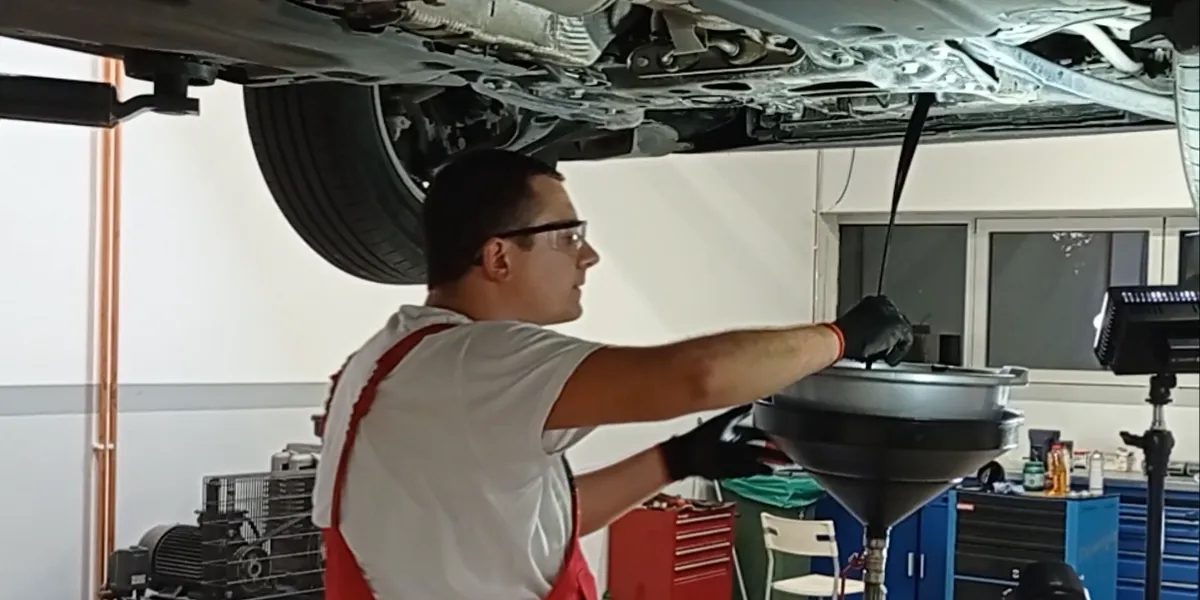
Engine oil changes rank among the most important elements of routine vehicle maintenance — an obligation no car owner can afford to skip. This straightforward procedure plays a fundamental role in keeping your vehicle running smoothly. One common question: is engine oil the same as motor oil? The answer is yes — both terms describe the same lubricant that circulates through your engine, and regardless of what you call it, that fluid requires periodic replacement. Here is what every driver needs to know to get it done:
Your vehicle's long-term health and reliability hinge on consistent engine oil changes. To fully appreciate why this procedure matters, consider the following key points:
Understanding the various engine oil grades and identifying the right one for your specific vehicle is critically important. That knowledge empowers you to care for your car more effectively, yielding meaningful improvements in both its longevity and overall performance.
Before starting the job, assemble all required tools and materials: a funnel, socket set, car jack stands, safety glasses, a pair of gloves, an oil filter wrench, an oil drain pan, a fresh oil filter, and new engine oil.
Start your vehicle and allow it to idle for a few minutes. Bringing the engine up to operating temperature helps the oil flow more freely when draining.
Use a car jack and jack stands to elevate the vehicle. Ensuring the car remains completely stable before you go underneath it is absolutely critical. Follow the jack stand placement instructions in your owner's manual carefully to prevent any accidents.
Put on your gloves and safety glasses, then locate and loosen the drain plug while positioning the oil drain pan beneath it. The old oil will pour out quickly, so be prepared. Give the full volume of used oil time to empty into the pan — the process may take several minutes.
The oil filter is generally cylindrical in shape and may be located on the side, bottom, or top of the engine depending on the vehicle. Use an oil filter wrench to remove it, keeping your drain pan nearby since the filter will contain residual oil. Before fitting the replacement, coat the new gasket lightly with fresh oil to ensure a proper seal, then thread the new filter in according to the specified instructions.
Once the oil has fully drained, wipe the drain plug and the surrounding area clean with a rag, then reinstall the plug. Avoid overtightening it, as excessive force can damage the threads.
With the drain plug secured, it is time to introduce fresh oil to the engine. Locate the oil filler cap — the labeled cap on the top of your engine — and remove it. Using a funnel, pour in the correct quantity of new engine oil. Consult resources on engine oil grades and oil types, and cross-reference your owner's manual for the precise volume your engine requires.
After filling, refit the filler cap and inspect for leaks before starting the engine. Run the vehicle for a short period, then examine the underside for any signs of seepage. If everything looks dry, use the dipstick to verify the oil level. The reading should sit between the dipstick's "min" and "max" indicators. Add a small additional amount of oil if the level reads on the low side.
Routine engine oil changes do a great deal to preserve your car's performance and extend its service life. They are generally recommended every 4,500 to 8,000 kilometres or at the interval specified by your vehicle's manufacturer. Selecting appropriate engine oil grades for your car, combined with regular checks to confirm adequate oil levels, goes a long way toward keeping your engine in peak condition.




No letters yet — pray write the first.