You've probably heard that synthetic oil lasts 10,000 miles or more. Oil change intervals have stretched over the years, and synthetic formulations are a big reason why. But the real answer to how often you should change synthetic oil depends on chemistry, driving conditions, and your engine's specific needs. Here's what the data actually shows about synthetic oil change intervals.
The Chemistry Behind Synthetic Oil Longevity
Synthetic oil is engineered from Group III, IV, or V base stocks. Group III is a severely hydroprocessed mineral oil, while Group IV (polyalphaolefins) and Group V (esters) are fully synthetic. These base stocks resist breakdown at high temperatures and flow better in cold starts than conventional oils. The additive package—detergents, dispersants, anti-wear agents (like zinc dialkyl dithiophosphate), and antioxidants—also degrades over time. A typical synthetic oil can protect an engine for 7,500 to 15,000 miles under ideal conditions, but additive depletion happens faster in severe service. Science Corner: Antioxidants in synthetic oil are sacrificial; once they're consumed, the oil begins to oxidize and form sludge. That's why interval length isn't just about viscosity—it's about chemistry.

Factors That Shorten Synthetic Oil Life
Real-world driving rarely matches the ideal cycle used to develop extended intervals. Short trips where the engine never reaches full operating temperature allow fuel and moisture to accumulate in the oil. Stop-and-go traffic, towing, dusty roads, and extreme temperatures all accelerate contamination and additive depletion. Turbocharged engines run hotter and can cook synthetic oil faster than naturally aspirated ones. If your car has a manufacturer-recommended oil life monitor (OLM), it often factors in these conditions by tracking engine revolutions and temperature—but it's not perfect. For many drivers, a 5,000 to 7,500-mile synthetic oil change interval is more realistic than the 10,000-mile number on the bottle.
The Best Way to Determine Your Interval: Used Oil Analysis
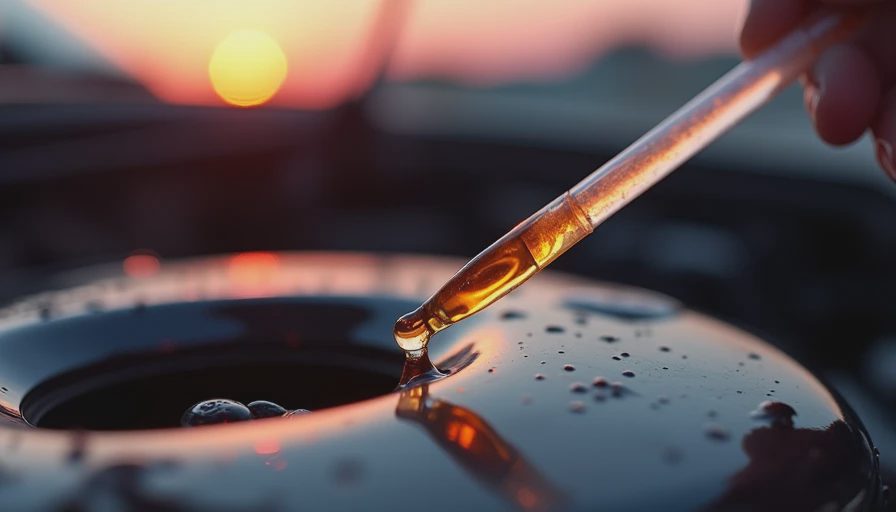
Don't rely on guesswork or marketing claims. A used oil analysis (UOA) from a lab like Blackstone or Polaris measures viscosity, wear metals, contamination (fuel, coolant, water), and the condition of the additive package. For about $30, you get a detailed report that tells you exactly how much life remains in the current oil. If you change synthetic oil at 8,000 miles and the analysis shows low wear metals and healthy additives, you can stretch the next interval to 9,000 or 10,000 miles. Conversely, if the oil shears out of grade or shows high iron levels, you need shorter intervals. This data-driven approach takes the guesswork out of synthetic oil change intervals and saves you from both over-maintenance and engine damage.
Common Myths About Synthetic Oil Change Intervals
One persistent myth is that synthetic oil never needs changing—that it lasts forever. In reality, even the best synthetic oil accumulates combustion byproducts and loses its additive protection over time. Another myth is that you must stick exactly to the OEM interval, even if your driving is gentle highway miles. The truth is that most OEM intervals are conservative for severe service, but if you mostly cruise at 70 mph on clean highways, you can often safely extend beyond the factory number. A third myth claims that switching to synthetic will cause leaks in older engines. While synthetic's superior flow can reveal existing weak seals, it doesn't cause new leaks. The key is to monitor your specific synthetic oil change intervals with lab analysis and adjust based on your actual driving conditions.
A Practical Checklist for Setting Your Synthetic Oil Change Intervals
If you want to stop guessing and start using a system that fits your car, follow these steps. First, look up your owner's manual recommendation for normal service. That number is your baseline. Second, categorize your driving as mostly severe (short trips, stop-and-go, towing, extreme temps) or mostly easy (highway cruising, moderate climate). If severe, subtract 25-30% from the baseline. For example, if the manual says 10,000 miles, aim for 7,000-7,500. Third, order a used oil analysis kit from a certified lab. Change your oil at your chosen interval, then send a sample. The report will tell you if you can safely go longer or need to shorten the next interval. Fourth, repeat the analysis every other change until you see a consistent pattern. Fifth, always check the dipstick between changes—if the oil smells like fuel, looks milky, or feels gritty, change it immediately regardless of mileage. This checklist turns synthetic oil change intervals from a guessing game into a precise, science-backed routine.
Putting It All Together
Synthetic oil change intervals are not one-size-fits-all. The science shows that synthetic base stocks resist degradation longer than conventional oils, but additives still wear out and contaminants still build up. If you drive in severe conditions—short trips, towing, extreme temperatures—stick to shorter intervals (5,000-7,500 miles). If your driving is mostly highway and your oil analysis supports it, you can push toward 10,000-15,000 miles. The most important thing is not to blindly follow a sticker or a bottle's mileage claim. Read the spec, not the bottle. And if you remember one number from this post, make it this one: a used oil analysis is the only way to know for sure when your synthetic oil needs changing.




No letters yet — pray write the first.