You've probably heard that oil leaks after an oil change are just bad luck. Here's what the data actually shows—most leaks come from preventable mistakes. Whether you did the job yourself or paid a shop, an **oil leak after oil change** is frustrating, messy, and potentially damaging. But the good news is that it's usually easy to fix once you know where to look.
Let's walk through the most common causes, the physics behind them, and the step-by-step procedure to track down the source. I'll keep the specs relevant and leave brand names out—you don't need a new filter or fancy additive to stop a drip.
The Most Common Culprit: The Drain Plug
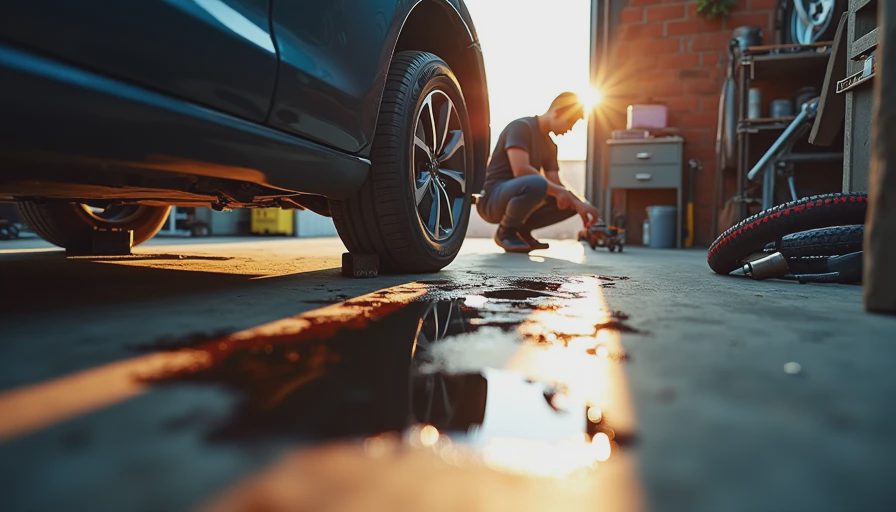
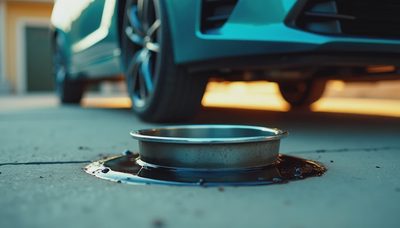
The drain plug is the first place to check when you see an **oil leak after oil change**. It's the lowest point on the oil pan, and if not torqued correctly, it will leak.
**Science Corner:** The drain plug sealing surface relies on either a crush washer (copper or aluminum) or a bonded gasket. A crush washer should be replaced every oil change—it deforms plastically to create a seal. Reusing it leads to uneven contact and leaks.
What to do:
- Verify the plug is tight. A torque wrench set to the manufacturer's specification (usually 18-30 lb-ft for most cars) is ideal. Guessing leads to under-tightening or stripping the pan threads.
- If the plug is tight but still leaks, inspect the washer. A flattened or missing washer is a sure cause. Replace it with the correct size and material.
- Check for stripped threads in the pan. This is more common on aluminum pans after multiple changes. A thread repair kit (Heli-Coil or Timesert) can fix it, or you can use an oversized self-tapping plug as a temporary measure.

Oil Filter Mishandling and Gasket Failures
The oil filter is the second most common source. A loose filter, a double-gasketed filter, or a damaged gasket can all cause a steady drip.
**Science Corner:** The rubber gasket on the filter housing creates a seal against the engine block. If the old gasket sticks to the engine (which happens often) and you install the new filter on top of it, you get two gaskets—and zero sealing. The filter will leak as soon as the engine runs.
What to do:
- Check if the filter is hand-tight plus ¾ turn. Too loose, and it will weep. Too tight, and you risk crushing the gasket or the filter housing.
- Wipe the mounting surface clean before installing the new filter. Use a bit of fresh oil on the gasket to prevent sticking.
- If the filter is tight and clean, look for a drip from the seam of the filter canister itself. A defective filter can develop pinhole leaks—replace it if that's the case.
Overfilling and Other Operator Errors
Overfilling the crankcase is a surprisingly frequent cause of an **oil leak after oil change**. Too much oil creates excessive pressure in the crankcase, forcing oil past seals and gaskets. It may also blow into the intake through the PCV system, causing smoke.
What to do:
- Check the dipstick after a few minutes of run time. The level should be at the full mark, not above. Drain some oil if overfilled.
- Also check for a loose or missing oil filler cap. A missing cap will let oil spray out under pressure, making a mess that looks like a leak.
- Spilled oil from the funnel or filter change can drip for days—it's not a true leak. Clean the engine with degreaser and monitor.
Step-by-Step Diagnosis
If you have an **oil leak after oil change** and you're unsure of the source, follow this procedure:
- **Clean the engine bay** with a degreaser or brake cleaner. A clean surface lets you spot fresh oil easily.
- **Start the engine** and let it run for 5 minutes. Shut off and inspect under the car. Watch for drips from the drain plug, oil filter, and valve cover gasket (though the latter is less common as a post-change leak).
- **Check the dipstick** again to confirm oil level.
- **Tighten the drain plug** and oil filter as needed. Use a torque wrench for the plug.
- **Look for oil trails** that indicate the path of the leak. Trace them back to the highest wet spot.
- **If still leaking**, replace the drain plug washer and oil filter. Those two parts cost under $10 and eliminate the most common variables.
When to Call a Mechanic vs. DIY
Most **oil leaks after oil change** are fixable in your driveway. But if you've tried all the above and the leak persists, it may be a damaged oil pan gasket, cracked oil pan, or failed rear main seal. Those aren't caused by the oil change—they just showed up at the same time. A mechanic can pressure-test the system and confirm.
**If you remember one number from this post, make it this one:** 25 lb-ft. That's the torque spec for many drain plugs. Use it, replace the washer, and hand-tighten the filter. You'll drastically reduce the chance of a leak.
Final Thoughts
An **oil leak after oil change** is almost always a simple fix. Don't panic—start with the drain plug and filter. With a clean work area and a torque wrench, you can stop the drip in under an hour. And if you choose to take it to a shop, you now know enough to ask the right questions. Read the spec, not the bottle, and keep that oil where it belongs—inside your engine.



No letters yet — pray write the first.