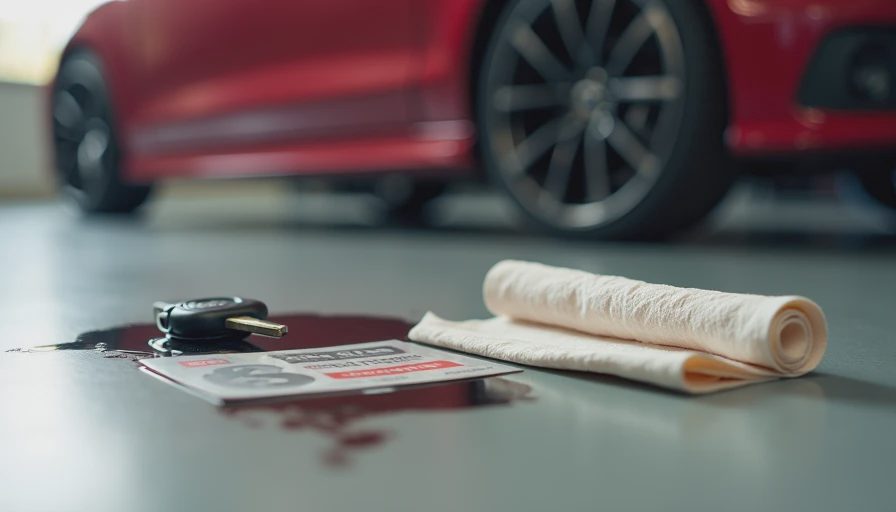
You've probably heard that a **small oil puddle under car** means the engine is on borrowed time. Here's what the data actually shows. A small spot on the driveway can be anything from harmless residue after a recent oil change to an active leak that will get expensive fast if ignored. The trick is not guessing. You want to identify the fluid, estimate the leak rate, and understand which components commonly seep versus which ones fail hard. In the garage, the difference between a quarter-sized spot once a week and a fresh puddle every time you park matters more than panic.
Start by making sure it is actually engine oil
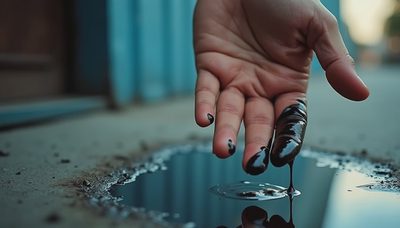
Not every dark spot under a vehicle is engine oil. Fresh engine oil is usually amber to brown. Used engine oil turns darker as soot, oxidation products, and suspended contaminants build up. Transmission fluid is often red, pink, or brownish if aged. Coolant can be green, orange, yellow, pink, or blue, depending on chemistry. Water from the air conditioner is clear and harmless. Brake fluid feels slick but is usually lighter in color and should be treated as urgent because hydraulic leaks are a safety issue.
Use white cardboard under the vehicle overnight. Note the color, the exact location, and the size of the drip pattern. If the **small oil puddle under car** appears near the center or rear of the engine bay, engine oil is plausible, but location alone is not proof because airflow can move drips backward while driving. Smell helps too: engine oil has a distinct petroleum scent, while gear oil often has a strong sulfur smell.
Science Corner: engine oil darkens mainly because detergent and dispersant additives hold combustion byproducts in suspension. Dark color alone does not prove the oil is worn out or contaminated beyond service limits.
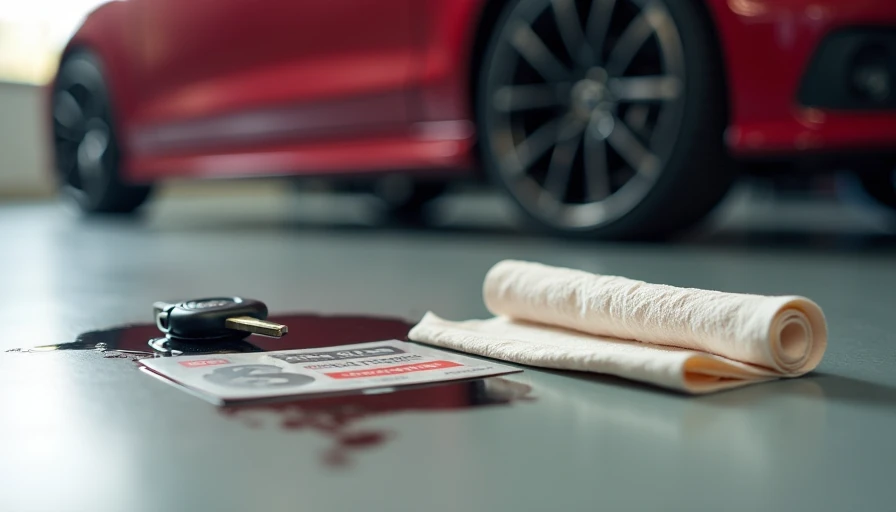
Judge severity by leak rate, not by fear
A lot of drivers focus on the puddle size from one night. I care more about leak rate over time. Put the vehicle on a clean surface, mark mileage, and check the dipstick every few days under consistent conditions. If the level stays between the marks for weeks and the spot remains small, you are likely dealing with a seep or slow leak. If you need to add a quart between normal oil changes, that is more than a nuisance.
If you remember one number from this post, make it this one: one quart is roughly 32 ounces. A quarter-sized spot can be only a few milliliters. That is still worth tracking, but it is nowhere near a quart-loss emergency. On the other hand, if the **small oil puddle under car** becomes multiple fresh drops after every trip, or you smell oil burning on the exhaust, move it up your priority list.
Low oil level is what damages engines, not the existence of a stain by itself. Read the spec, not the bottle: the correct viscosity grade and API service category matter when topping off. If your oil cap or owner's manual calls for 0W-20 API SP, stay within that spec.
The most common sources of a small oil leak
In real-world inspections, several leak points show up again and again. Valve cover gaskets are common because they live high on the engine, see constant heat cycling, and harden over time. Oil pan gaskets and drain plugs leak lower down, especially after rough service or repeated overtightening. Oil filter sealing surfaces can seep if the old gasket stuck to the block or the filter was installed dry or crooked. Front and rear main seals can leak too, though those repairs are usually more involved.
A **small oil puddle under car** after an oil change often traces back to simple service issues: a loose drain plug, a damaged crush washer, a double-gasketed oil filter, or spilled oil that keeps dripping from splash shields for a day or two. That is why cleaning the area matters before diagnosis. Old grime makes every leak look worse and every new leak harder to pinpoint.
Science Corner: seal materials age from heat, oxygen, and additive exposure. Nitrile and related elastomers gradually lose flexibility, so they stop conforming tightly to metal surfaces. That is chemistry and time, not proof that a specific oil "caused" the leak.

How to inspect it without making bad assumptions
Start with a cold engine and good lighting. Check the dipstick first, because fluid level tells you risk immediately. Then look above the drip point, not just at it. Oil runs downward, spreads across subframes, and can ride airflow under the car. A flashlight, degreaser, and a patient eye beat random parts replacement every time.
If the source is not obvious, clean the area and recheck after a short drive. UV dye can help, but use a dye intended for engine oil and follow the instructions carefully. I do not recommend pouring in mystery stop-leak products as a first move. Some seal conditioners can temporarily reduce seepage, but they do not fix torn gaskets, warped sealing surfaces, or stripped threads.
Also watch operating conditions. Does the **small oil puddle under car** appear only after highway driving, towing, or long idling? Heat thins oil slightly and raises crankcase vapor flow, which can make marginal seals show themselves. That pattern is useful diagnostic information, not trivia.
When to drive, when to repair, and when to stop immediately
A small, verified engine-oil seep with a stable dipstick reading is often drivable short term if you monitor it. Keep the oil at the proper level, recheck the spot, and schedule repair before it grows into a bigger mess. But there are clear no-delay situations: oil pressure warning light, visible dripping onto a hot exhaust, smoke from under the hood, sudden rapid leakage, or oil level dropping below the safe range.
If the leak is from a drain plug, oil filter seal, or valve cover gasket, repairs are often straightforward compared with main seal or timing cover work. Cost depends heavily on labor access, not just parts price. The smart move is to bring a shop evidence: photos, cardboard drip pattern, mileage, and whether the leak appears hot or cold. That saves diagnosis time.
You've probably heard that all leaks are equal. Here's what the data actually shows: severity comes from leak rate, location, and oil level trend. Treat the **small oil puddle under car** as information. Identify it, measure it, and respond before a seep turns into a lubrication problem.
No letters yet — pray write the first.