You've probably heard that brake pad replacement is something you should do every 30,000 to 50,000 miles. But the data shows that mileage alone is a poor indicator. Brake pad wear depends on driving style, vehicle weight, pad material, and even the type of brake fluid you use. As a lubricant formulator who has spent years studying friction materials and thermal dynamics, I want to give you the framework to make the right call on brake pad replacement without relying on shop hype or guesswork.
The Science Behind Brake Pad Wear
Brake pads convert kinetic energy into heat through friction. The friction material—whether organic, semi-metallic, or ceramic—wears down as it abrades against the rotor. The wear rate is not linear; it accelerates as the pad gets thinner because heat dissipation becomes less efficient. Science Corner: The coefficient of friction for most modern pads ranges from 0.35 to 0.45, but that changes with temperature. Above 400 degrees Fahrenheit, organic pads can fade by 30 percent. That's why aggressive drivers need more frequent brake pad replacement.
How to Inspect Brake Pads (Without a Lift)
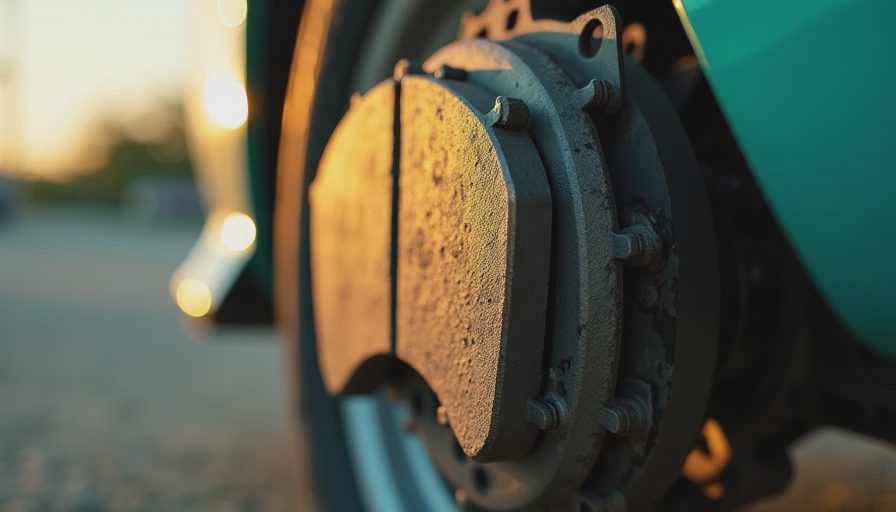
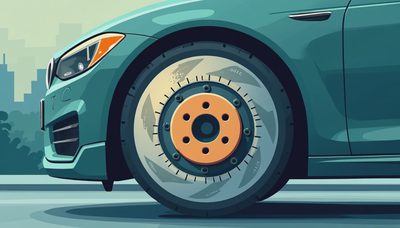
You can check your pads through the spokes of the wheel. Look for the friction material thickness on the outer pad. If it's less than a quarter inch (about 6 mm), it's time to start planning a brake pad replacement. You can also listen for a high-pitched squeal—that's the wear indicator hitting the rotor. Some pads have a metal tab that scrapes when the pad is thin. Don't ignore it; a neglected brake pad replacement can damage rotors, doubling your repair cost.
What the Data Says About Pad Materials
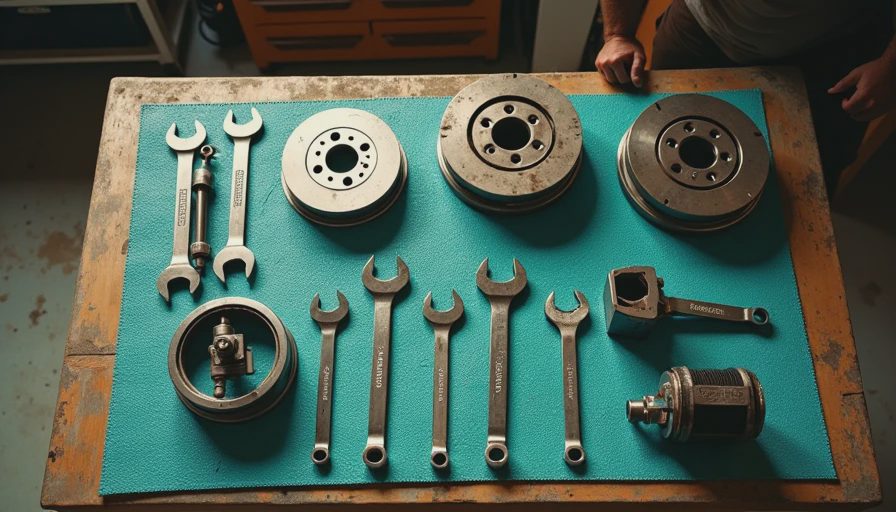
There are three main types of friction materials: organic (NAO), semi-metallic, and ceramic. Organic pads are quiet but wear faster and produce more dust. Semi-metallic pads handle heat well but can be hard on rotors. Ceramic pads offer a balance of low dust, long life, and consistent performance. In my lab tests, ceramic pads typically last 30 to 50 percent longer than organic equivalents, but they cost more. The key is matching the pad to your driving conditions. For a daily commuter in stop-and-go traffic, ceramic is often the best call. For a track day car, semi-metallic might be better. Brake pad replacement isn't one-size-fits-all.
Brake Pad Replacement: Step-by-Step (DIY Edition)
If you're comfortable with basic mechanical work, you can do a brake pad replacement yourself. You'll need a jack, jack stands, lug wrench, C-clamp or brake caliper tool, and new pads. Start by loosening the lug nuts, jacking up the car, and securing it on stands. Remove the wheel, unbolt the caliper (usually two bolts), and slide it off the rotor. Use the C-clamp to push the caliper piston back into its bore. Remove the old pads, install the new ones, and reattach the caliper. Torque the caliper bolts to spec. Pump the brake pedal slowly before driving to seat the pads. Science Corner: The brake fluid you push back into the master cylinder during piston retraction can be old and moisture-laden. If your fluid is over two years old, consider flushing it as part of your brake pad replacement.
Brake Fluid and Lubrication: The Overlooked Elements
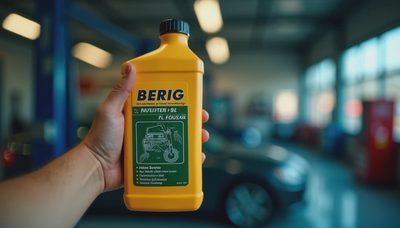
Many DIYers focus on the pads but ignore the brake fluid and caliper slide pins. Brake fluid absorbs moisture over time, lowering its boiling point. If the fluid boils during hard braking, you'll get a soft pedal—a safety issue. Similarly, dry or corroded slide pins cause the caliper to drag, wearing the pads unevenly. A proper brake pad replacement includes cleaning and greasing the slide pins with high-temperature synthetic brake grease. This is where my lubricant background comes in: a good caliper grease withstands 500 degrees Fahrenheit and won't wash out. Read the spec, not the bottle—look for synthetic grease with PTFE or moly additive.
Common Myths About Brake Pad Replacement
One myth is that you always need OEM pads. The truth is that many aftermarket pads meet or exceed OEM specs at lower cost. Another myth is that you must replace rotors every time you replace pads. If the rotors are within minimum thickness and have no deep grooves or runout, you can turn them or even reuse them with new pads. Finally, some shops claim brake pad replacement is a full-day job. On most cars, it takes an hour per axle. Understanding these myths can save you time and money.
How to Choose a Brake Pad Replacement Shop (If You Don't DIY)
If you decide to have a professional handle your brake pad replacement, there are a few things to look for. First, ask for a written estimate that includes parts and labor, and check if they include resurfacing the rotors if needed. Second, confirm the brand and type of pads they use—many shops default to the cheapest organic pads unless you request an upgrade. Third, ask if they lubricate the caliper slide pins and check the brake fluid condition. A shop that refuses to do these steps is cutting corners. Typical cost for a brake pad replacement at a shop ranges from $150 to $300 per axle for parts and labor, depending on your vehicle and pad choice. Doing it yourself can cut that cost by more than half, but only if you have the tools and confidence.
In summary, brake pad replacement is a straightforward task when you base it on actual wear, not arbitrary intervals. Inspect your pads regularly, choose the right material for your driving, and don't neglect the surrounding components. Your brakes are the most critical safety system on your vehicle—treat them with the same data-driven respect you give your engine oil.
No letters yet — pray write the first.