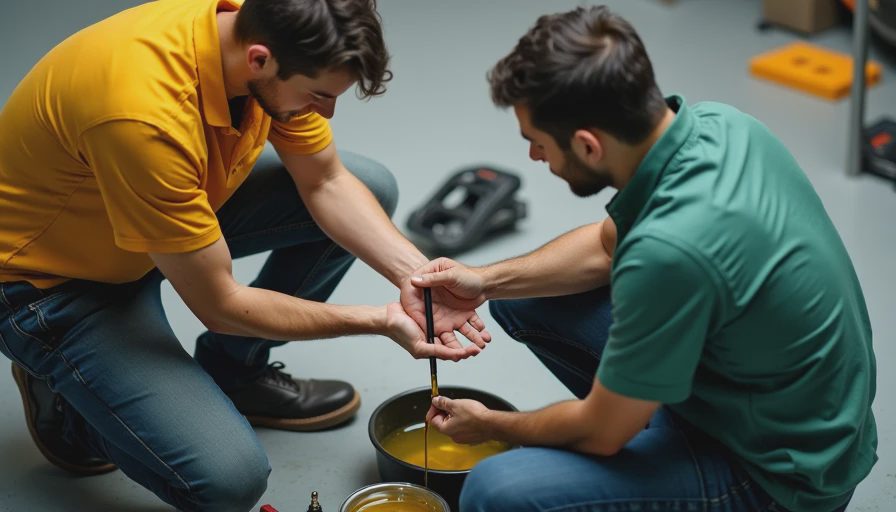
You've probably heard that if your oil looks contaminated, just change it and move on. But that's like putting a bandage on a bullet wound. Contaminated engine oil is a symptom, not the problem itself. Here's what the data actually shows: the fix depends entirely on what contaminated the oil. In this guide, I'll explain how to fix contaminated engine oil by identifying the contaminant, testing it, and applying the right remedy—without wasting money on unnecessary flushes or guessing.
Understanding Contamination Types
Contamination falls into five main categories: water, fuel, coolant, dirt/sludge, and wear metals. Each leaves a distinct trace.
- **Water:** Milky or frothy oil on dipstick. Causes: condensation on short trips, blown head gasket, or coolant leak.
- **Fuel:** Thin, strong-smelling oil. Rising oil level on dipstick. Common with leaking injectors or excessive idling.
- **Coolant:** Sweet smell, honey-like color, often accompanied by engine overheating.
- **Dirt/Sludge:** Dark, gritty residues. Indicates extended drain intervals or poor filtration.
- **Wear Metals:** Detected only via oil analysis. Not visible to the naked eye.
**Science Corner:** Oil's additive package includes detergents and dispersants designed to hold contaminants in suspension. Once these are depleted, particles settle and accelerate wear. A used-oil analysis (UOA) can quantify additive depletion and contamination levels.
Diagnosing the Contamination
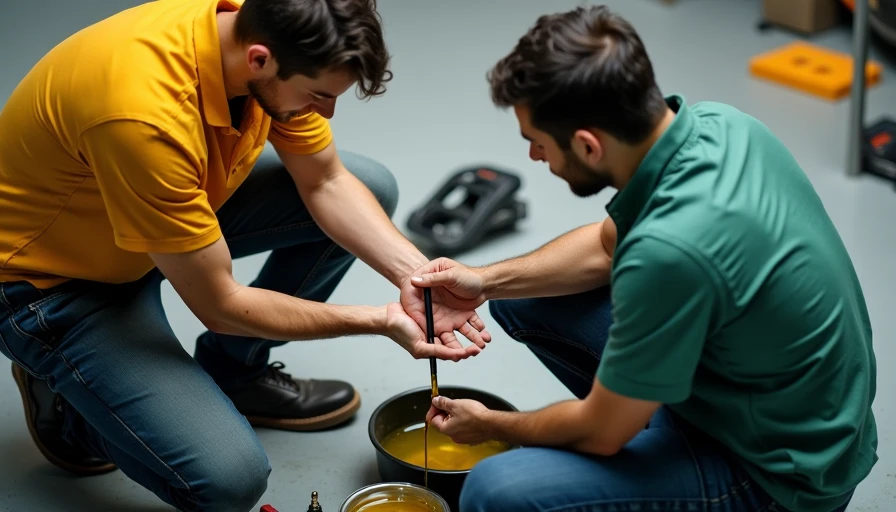
Before you decide on a fix, you need a clear diagnosis. Start with the dipstick: check color, clarity, and smell. Milky or bubbly suggests water. Sharp gasoline odor means fuel dilution. A burnt smell points to thermal breakdown or coolant.
For a definitive answer, send a sample to a lab like Blackstone or WearCheck. A $30 UOA will tell you the exact ppm of fuel, water, coolant, and wear metals. It also gives you the viscosity and acid number (TAN). That data tells you exactly how to fix contaminated engine oil rather than guessing.
Step-by-Step: How to Fix Contaminated Engine Oil
The repair procedure depends on what you find. Below are specific protocols for each contaminant.
Water Contamination
If the oil is milky, stop driving immediately. Water causes cavitation damage in bearings and rusts iron surfaces. The fix:
- Identify the water source – common culprits: condensation from short trips, cracked head gasket, or coolant intrusion.
- Replace the oil and filter with the correct viscosity (e.g., 5W-30). Use a high-quality oil with robust anti-rust additives.
- If coolant is involved (sweet smell), pressure-test the cooling system. A blown head gasket requires mechanical repair before the oil change.
- For minor condensation, run the engine fully hot for 30 minutes to boil off moisture, then change oil.
Fuel Contamination
Fuel dilution thins oil, reducing film strength. The fix:
- Check fuel system: leaking injector, stuck open, or excessive short-tripping (fuel never fully burns).
- Replace the oil and filter with the correct grade. If dilution is severe, consider a one-time viscosity bump (e.g., 10W-40 instead of 5W-30) to restore film thickness.
- Repair any injector leaks and avoid excessive idling. A high HTHS oil (like an API SP rated oil) offers better shear stability.
Coolant Contamination
Coolant is acidic and destroys additive packages. The fix:
- Identify the leak – usually a head gasket failure. Compression test or combustion leak test.
- Replace the head gasket and machine head if necessary.
- Flush the entire engine with a cooling system cleaner, then install new oil and filter.
Dirt and Sludge
If the oil is dirty but no foreign contamination:
- Shorten the drain interval. If you've been running 10,000 miles, switch to 5,000.
- Use an oil with high TBN (total base number) and strong detergency – look for API SP or ILSAC GF-6 ratings. These oils are formulated to keep sludge in suspension.
- Consider a engine flush only if sludge is excessive, but be aware that aggressive flushes can dislodge deposits and clog oil passages.
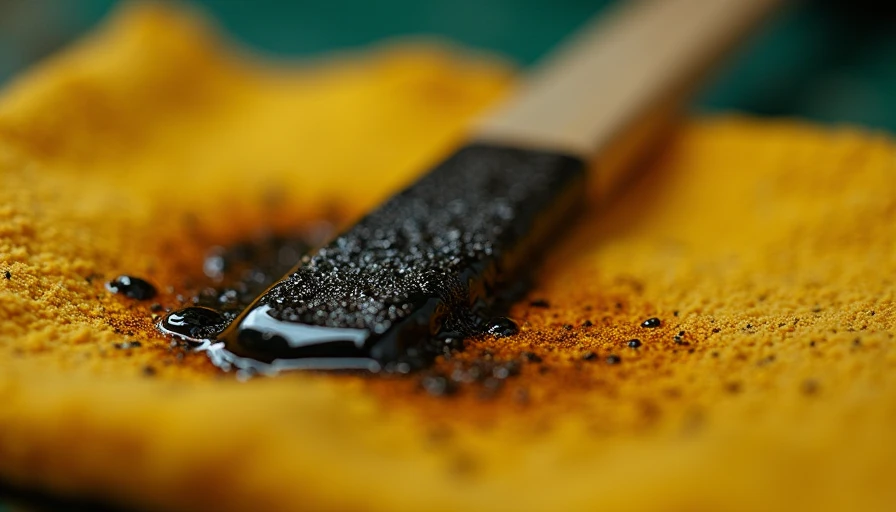
Additives like Engine Restore or off-the-shelf cleaners are not recommended by data. They often contain solvents that dilute the oil further. The best fix is a fresh change with the right spec.
When to Skip the Fix and Replace
There's a point where fixing contaminated engine oil is no longer cost-effective. If you have:
- Coolant contamination that has already caused bearing damage (listen for knocking).
- Fuel dilution of more than 5% (by weight) causing permanent viscosity loss.
- High wear metals indicating moderate to severe wear.
Professional evaluation by a mechanic and used oil analysis is essential.
Preventing Future Contamination
- Stick to your OEM's oil change interval, but adjust for severe driving (short trips, dust, towing).
- Use oil with the correct API/ILSAC rating. For example, API SP offers improved high-temperature protection and deposit control.
- Monitor your oil every 1,000 miles with a simple dipstick check. If you see changes, investigate early.
- Consider a oil analysis kit every other change to catch issues before they become costly.
Conclusion
The key takeaway: how to fix contaminated engine oil is not a one-size-fits-all answer. Diagnose first, then apply the specific repair. Reading the spec sheet and understanding the chemistry will save you money and engine life. If you remember one number from this post, make it this one: the additive depletion rate measured by TBN and TAN in a used oil analysis. That's where the real story lives.
Used oil analysis is the only way to know the true condition of your oil. Without it, you're flying blind. Budget $30 annually for peace of mind.


No letters yet — pray write the first.