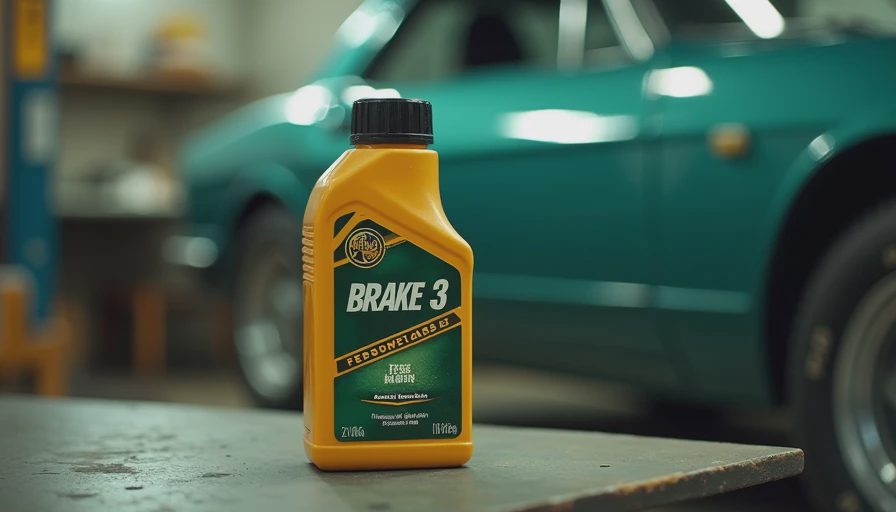
You've probably heard that dot 3 brake fluid is just generic hydraulic juice in a yellow bottle. Here's what the data actually shows: it is a glycol-based fluid with a defined boiling-point floor, and once it absorbs enough water, pedal feel and stopping margin both suffer. If your car still calls for this fluid, the bottle on the shelf is less important than the spec on the cap and the service interval in the manual. Read the spec, not the bottle.
What dot 3 brake fluid really is
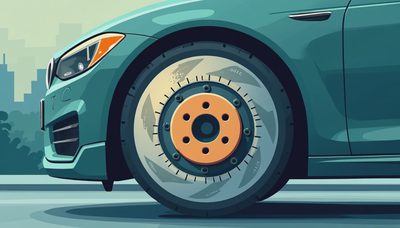
A sealed bottle of dot 3 brake fluid is usually a glycol-ether blend with corrosion inhibitors and pH buffers. It has to meet FMVSS 116 minimums: 401F dry boiling point and 284F wet boiling point. Dry means fresh out of a sealed container. Wet means after the fluid has absorbed the standardized amount of water used in the test. That water does not just sit harmlessly in the reservoir. It lowers boiling point, and under hard braking the calipers and wheel cylinders can heat the fluid fast enough to make vapor bubbles. Vapor compresses, liquid does not, and that is why a pedal can feel long or spongy.
Science Corner: The fluid is hygroscopic by design. That sounds like a flaw, but in a sealed system it helps disperse tiny moisture amounts instead of letting water collect in one low spot and attack a steel line or caliper piston. The tradeoff is that time matters as much as miles.
The practical takeaway is simple. Brake fluid does not wear out like a pad, but it does age like a chemical product that lives in a hot, vented, rubber-sealed system. A commuter car can go years between flushes and still feel okay around town. A tow vehicle, a mountain road car, or anything that sees repeated hard stops can push the fluid closer to its limit much sooner.
How moisture changes the numbers
Water gets into the system through the reservoir vent, microscopic permeation through rubber hoses, and service events when the cap stays open too long. Once that happens, the boiling point starts sliding down. Color is only a clue. Fresh fluid is often clear to light amber, but dark fluid does not automatically mean failure. It usually means oxidation, contamination, or age.
In the real world, the old rule of thumb still holds up: many street-driven vehicles benefit from a flush around every two years, sometimes sooner if they live a hard life. I have seen plenty of shop bays where a driver swore the brakes were fine until a summer road trip or a long descent turned a marginal system into a soft pedal. The hardware was not suddenly bad. The margin was gone.
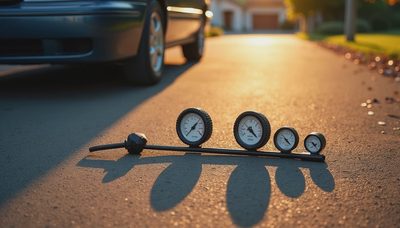
If you want a quick sanity check, a $10 to $20 moisture test strip or a modest handheld tester is better than guessing from the reservoir color alone. It is not a laboratory result, but it can tell you whether the fluid has drifted far enough to deserve attention.
When dot 3 brake fluid should stay, and when to step up
Not every vehicle needs a higher spec just because the number on the bottle looks bigger. DOT 4 and DOT 5.1 are also glycol-based and are generally compatible with systems that specify DOT 3, but only if the manufacturer allows that move. The important difference is boiling point margin, not marketing language. If a vehicle sees repeated high-heat braking, a higher-spec glycol fluid can help reduce fade risk. If the car is a normal commuter with the original spec on the cap, there is no prize for changing chemistry just to chase a label.
One thing to avoid is mixing glycol fluids with DOT 5 silicone. DOT 5 is a different chemistry and does not belong in a system designed for glycol-based fluid. The seals, bleed behavior, and service expectations are different enough that this is not a casual swap.
If you remember one number from this post, make it this one: 401F dry and 284F wet are the minimums for the fluid family most older U.S. cars were built around. That is plenty for ordinary driving when the fluid is fresh. It is not plenty forever.
Signs the fluid is the problem
A soft pedal after a hard stop is the classic clue. So is brake fade that shows up on a downhill run and then partially disappears after the system cools. Dark fluid, a burnt smell, or a pedal that feels inconsistent from one day to the next also deserve attention. A low reservoir is not proof of bad fluid by itself, because pad wear pushes fluid level down as the caliper pistons move out. A sinking pedal with steady pressure is a different story and points more toward a leak or a master cylinder issue than simple fluid age.
In cost terms, a basic brake-fluid flush often lands around $90 to $180 at an independent shop, depending on labor and whether the system is ABS-friendly to bleed. DIY is cheaper, but only if you start with clean tools and a sealed container. Once a bottle is open, it starts pulling moisture from the air.
A simple check routine you can do in the driveway
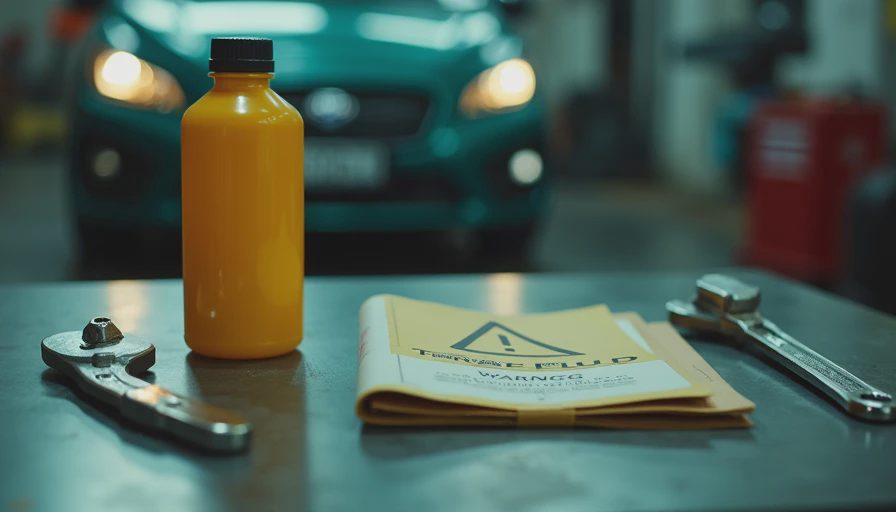
Pop the hood on a cool car and look at the reservoir before you touch anything else. Wipe the cap area clean so dirt does not fall in. Check the level, check the color, and look at the rubber diaphragm if the reservoir uses one. If the fluid looks murky and the brake pedal has gotten longer over time, you have enough evidence to schedule service rather than debate the bottle on the shelf.
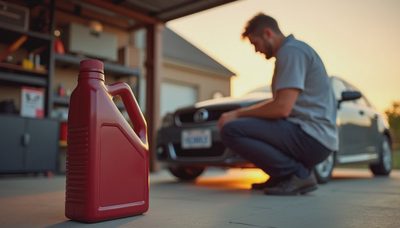
If you are bleeding a corner, keep the reservoir topped off so you do not pull air into the ABS hydraulic unit. Use fresh fluid from a sealed container and discard what is left over after the job. It is cheap enough that saving an open quart is false economy. I see this mistake a lot: someone buys one bottle, opens it, uses half, and keeps the rest for a year. That leftover fluid is not the same product anymore.
For a lot of drivers, the smart interval is simple: inspect every oil change, test every couple of years, and flush when the numbers or the pedal tell the same story. If your manual calls for dot 3 brake fluid, treat it as maintenance, not mystery. The right move is to match the spec, keep moisture out of the system, and flush before heat turns a decent pedal into a long one.
No letters yet — pray write the first.