You've probably heard that a leaking valve means you need a new tire. Here's what the data actually shows: can a valve stem be replaced on a tire? In many cases, yes. The tire rubber may be perfectly serviceable while the small valve assembly has cracked, corroded, or developed a faulty valve core. Replacing that component can restore air retention for roughly $15 to $40 at an ordinary tire shop, although tire-pressure monitoring system hardware can raise the bill substantially.
The important distinction is between the valve core, the rubber stem, and a TPMS sensor. They are related parts, but they are not repaired the same way. A few minutes of diagnosis can prevent replacing a $150 tire for a $5 problem, or prevent a cheap repair from damaging an expensive sensor.
What Actually Leaks at the Wheel
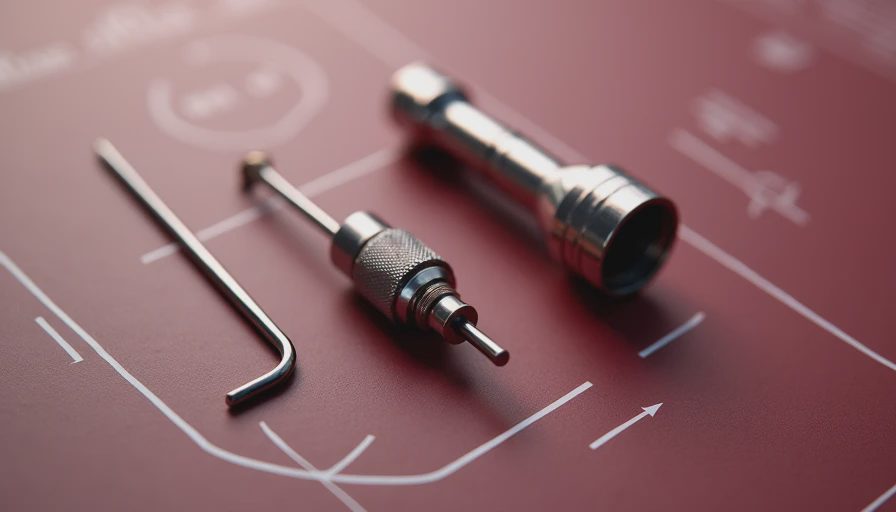
A conventional valve stem is a small rubber-and-metal assembly installed through the wheel's valve hole. The removable valve core sits inside its threaded center and controls airflow. If the core is loose or its tiny seal is damaged, air can escape even when the stem itself looks normal. A technician can usually replace the core with a valve-core tool without removing the tire.
The stem body is a different matter. Rubber ages from sunlight, ozone, road salt, and repeated flexing. It can split at the base, leak around the wheel hole, or crack where the valve cap threads end. A spray bottle filled with soapy water is a useful first test: bubbles that grow steadily identify the leak. Test the tread, sidewall, bead, valve core, and stem base separately rather than assuming the sound tells you everything.
Science Corner: the valve core uses a spring-loaded pin and a sealing surface, commonly made with rubber or synthetic elastomer material. Tightening the core slightly can stop a leak, but overtightening can distort the seal. A valve cap is not the primary seal; it is secondary protection against dirt and moisture.
For a basic rubber stem, can a valve stem be replaced on a tire without buying a new tire? Usually, but the tire must be deflated and the bead must be separated from the wheel so the old stem can be removed safely. That means a tire machine is the right tool. Prying the bead away with a screwdriver can damage the bead bundle or wheel finish.
TPMS Changes the Repair Decision
Modern vehicles often use direct TPMS, meaning a pressure sensor is mounted inside each wheel. The sensor may be attached to the valve stem, built into the stem, or connected through a short passage. In that setup, can a valve stem be replaced on a tire depends on the sensor design and the replacement parts available.
Some sensors accept a service kit containing a new stem seal, grommet, nut, valve core, and cap. The electronic sensor remains in place while the external sealing parts are renewed. Other designs use an integrated stem and sensor, requiring the entire unit to be replaced. A new sensor can cost about $30 to $100 for the part, with installation and relearning adding to the total. Dealer pricing can be higher than an independent tire shop because labor rates and programming procedures differ.
Do not install an ordinary rubber stem in a wheel designed for a sensor. It can leave the sensor unsupported, interfere with sealing, or trigger a warning light. The correct service kit must match the wheel, sensor, and vehicle application. Ask the technician whether the sensor is being reused, rebuilt with a service kit, or replaced entirely.
After TPMS work, the vehicle may need a relearn procedure. Some cars learn automatically after several minutes of driving; others require a scan tool, a manual sequence, or a sensor activation tool. A warning light that remains on after correct inflation does not necessarily mean the new stem leaks. It can indicate that the system has not recognized the sensor yet.
How Much Should the Repair Cost?
If the valve core is the culprit, the repair may cost only a few dollars, especially during a tire rotation or installation. A standard rubber stem replacement commonly lands around $15 to $40 per wheel when the tire is already being serviced. Prices rise when the wheel is heavily corroded, the tire must be removed from a vehicle, or the shop handles a specialty wheel.
TPMS service changes the arithmetic. A seal-and-core service kit might add $10 to $30, while an integrated sensor and stem can push the total toward $75 to $150 or more. These are practical ranges, not a universal price list. Vehicle model, wheel construction, local labor, and part quality all matter.
The tire itself should be inspected before authorizing work. A puncture in the repairable tread area may be fixable with an internal patch-plug repair, while shoulder or sidewall damage generally calls for replacement. A leaking bead caused by corrosion may require wheel cleaning or refinishing rather than valve work. Fixing the wrong component simply sends you back to the same low-pressure warning.
A Safe Diagnostic Sequence
When can a valve stem be replaced on a tire becomes the question, use this sequence before spending money:
- Measure pressure with a reliable gauge and record which tire is losing air.
- Inflate it to the vehicle manufacturer's cold-pressure specification, usually found on the driver's door-jamb label.
- Apply soapy water to the valve core, stem base, bead, tread, and sidewall.
- Watch for growing bubbles instead of mistaking trapped foam for a leak.
- Check whether the wheel has a visible TPMS sensor or a metal sensor-style stem.
- Have the tire shop remove the tire if the stem base or internal sensor seal is leaking.
- Confirm the replacement part and ask whether a TPMS relearn is required.
- Recheck pressure the next morning and again after a short drive.
Do not remove the valve core from a pressurized tire as a casual experiment. Air can escape rapidly, and an improperly serviced tire can become unsafe. Never use tire sealant as a permanent answer to a leaking stem unless the vehicle and tire manufacturer specifically permit that product. Sealant can complicate later repairs and contaminate TPMS components.

Replace the Stem or Replace the Tire?
A valve stem repair makes sense when the tread has adequate depth, the sidewall is undamaged, the casing has not been driven severely underinflated, and the wheel is structurally sound. The age of the tire also deserves attention. Rubber degradation, cracking between tread blocks, and repeated air loss can make replacement more sensible even if the stem is the immediate leak source.
Can a valve stem be replaced on a tire that has been driven flat? Sometimes, but the inside of the tire must be inspected after the repair. Driving with very low pressure creates heat and flexing in the sidewall. External appearance cannot always reveal internal damage. A technician should look for abrasion dust, liner wrinkles, exposed cords, or other evidence that the casing was compromised.
For a TPMS-equipped wheel, compare the complete cost rather than choosing the cheapest part. A quality service kit with a properly sealed grommet is often more rational than replacing a working sensor. Conversely, an old sensor with a dead battery may justify replacing the entire unit while the tire is already off. Most original TPMS batteries are not intended to be replaced separately.
The Practical Answer
So, can a valve stem be replaced on a tire? Yes, in most ordinary cases, and the repair is usually far less expensive than replacing a healthy tire. The first step is identifying whether the leak comes from the valve core, stem seal, TPMS assembly, bead, tread, or sidewall. That diagnosis determines the part and the safe procedure.
If the leak is at the removable core, a core replacement may solve it immediately. If the rubber stem is cracked, the tire must normally be demounted so the stem can be renewed. If a TPMS sensor is involved, use the correct vehicle-specific service kit and complete the relearn process. Read the component specification, not just the package label, and do not let a slow leak become a low-pressure highway failure.





No letters yet — pray write the first.