You've probably heard that white exhaust smoke automatically means a blown head gasket. Here's what the data actually shows: white vapor, overheating, coolant loss, or milky oil can point to several different faults. If you are asking, "how can i tell if i blew a head gasket," the useful answer is to combine symptoms with pressure and chemical tests rather than condemn the engine from one clue.
A head gasket seals the joint between the engine block and cylinder head. It keeps combustion pressure in the cylinders while separating coolant passages from oil galleries. When the gasket fails, those boundaries can cross. Combustion gas can pressurize the cooling system, coolant can enter a cylinder, and coolant can dilute the oil. Each failure path creates a different symptom, which is why diagnosis matters before you authorize a $2,000 to $5,000 repair.
The symptoms that deserve attention
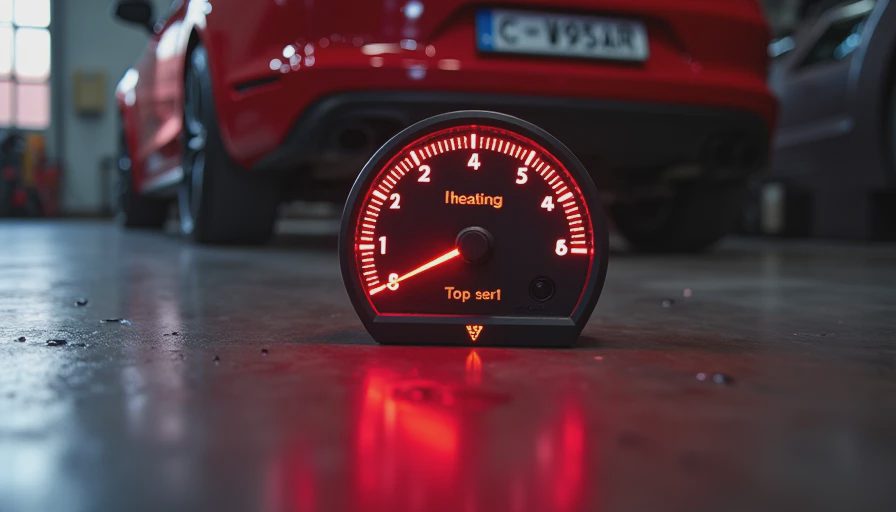
Overheating is the most important warning sign, especially when the temperature rises quickly under load, the upper radiator hose becomes unusually hard, or coolant pushes out of the reservoir. A failing thermostat, blocked radiator, weak water pump, or trapped air can also overheat an engine, so temperature alone does not prove gasket failure.
Persistent white exhaust after the engine reaches operating temperature is more specific than a small cloud at startup. Normal condensation often disappears within a few minutes. Coolant entering a cylinder produces steam with a sweet odor and can leave damp deposits on a spark plug. Blue smoke points more toward oil burning, while black smoke generally indicates excessive fuel.
Look at the coolant level and oil condition with the engine completely cold. Repeated coolant loss without an obvious external leak is suspicious. Under the oil filler cap, tan sludge can indicate coolant contamination, but short trips and moisture condensation can create similar beige deposits. A dipstick showing chocolate-colored oil is more concerning than a thin film under the cap. Never remove a hot radiator cap; pressurized coolant can cause severe burns.
Science Corner: what the oil and coolant reveal
The lubricant is not just a slippery liquid; it is a diagnostic surface. Engine oil normally contains a carefully balanced additive package, including detergents, dispersants, antiwear chemistry, and corrosion control. Coolant contamination can disrupt that chemistry and reduce the oil film that protects bearings. Water and glycol also promote sludge and corrosion when the engine runs hot.
If you drain the oil and see a consistent milky emulsion, stop running the engine and investigate. However, a little water in the cap does not establish a blown gasket. Oil analysis can identify water, glycol, elevated wear metals, and abnormal viscosity, but it cannot always locate the leak by itself. A lab report is valuable evidence, not a complete mechanical verdict.
Coolant can also be tested for combustion gases. A block-tester fluid changes color when exhaust gases enter the cooling system. This is a useful screening test, but false results are possible if the sample is contaminated, the engine has a chemical additive in the coolant, or the leak occurs only under high load. Use the test at the radiator or approved expansion tank opening, following the kit instructions.
The tests that separate suspicion from proof
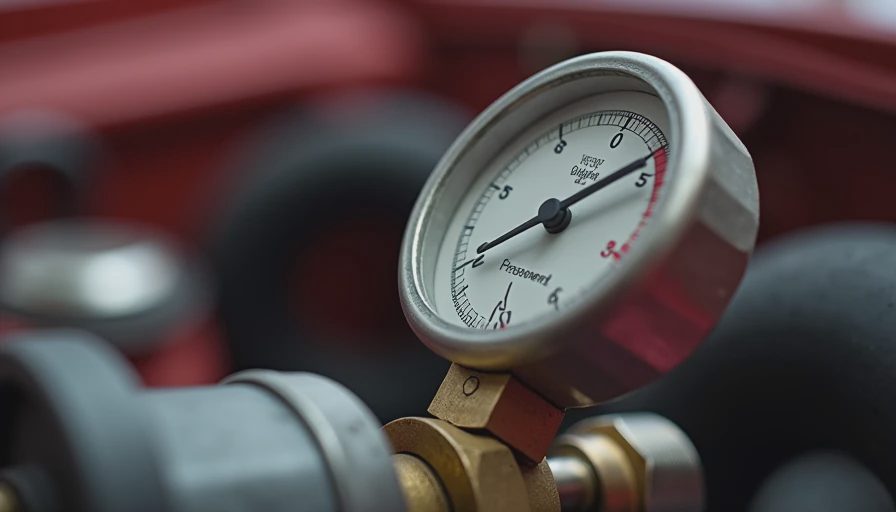
A cooling-system pressure test is a sensible first step. With the engine cold, a hand pump pressurizes the system to the vehicle manufacturer's specified pressure. If pressure falls, inspect the radiator, hoses, water pump, heater core, reservoir, and engine for an external leak. If there is no visible leak, coolant may be entering a cylinder or escaping internally.
A compression test compares cylinder sealing. Remove the spark plugs, disable fuel and ignition as appropriate, and test each cylinder with the throttle open. The absolute number varies by engine, but one cylinder far below its neighbors is a warning. Two adjacent low cylinders can suggest a breach between cylinders. Compression results can also be affected by valve problems, worn rings, cam timing, or a weak battery.
A leak-down test is more informative because compressed air is introduced into each cylinder at top dead center. Air heard at the throttle body suggests an intake valve leak; air at the exhaust indicates an exhaust valve problem; air at the crankcase points toward rings. Bubbles in the radiator or expansion tank strongly suggest a path into the cooling system. This test requires more equipment and careful positioning, but it often identifies the failure route.
If you are still wondering how can i tell if i blew a head gasket, use a sequence rather than guessing. Confirm coolant loss, inspect the oil, perform a pressure test, and then use a combustion-gas, compression, or leak-down test. No single inexpensive test is perfect in every engine.
What not to do after a suspected failure
Do not keep driving while the temperature gauge is climbing. An overheated engine can warp an aluminum cylinder head, damage the catalytic converter, or turn a gasket repair into an engine replacement. Do not pour a stop-leak product into the cooling system as a first response. Some products temporarily reduce a leak, but they can restrict small heater-core or radiator passages and complicate later repairs.
Do not judge the engine by a single compression number copied from an online forum. Compression ratios, cam profiles, cranking speed, and gauge design all affect readings. Likewise, do not treat a clean-looking oil cap as proof that everything is healthy. A coolant leak into one cylinder may not reach the crankcase immediately.
When the engine is cold, check the oil level and coolant level, photograph unusual deposits, and note when the overheating or smoke occurs. Those details help a technician reproduce the problem and can prevent unnecessary parts replacement.
Repair decisions and realistic costs
A gasket replacement usually involves removing the cylinder head, checking it for warpage and cracks, replacing head bolts when required, and renewing related seals. On a compact four-cylinder engine, labor and parts can commonly land around $1,500 to $3,000. A cramped V6, turbocharged engine, or truck can exceed $4,000. Machine-shop inspection may add roughly $100 to $300, while damaged bearings or a warped block can raise the bill sharply.
Ask for the test results, not just a diagnosis. A useful estimate should explain whether the cooling system held pressure, whether combustion gas was detected, which cylinders showed abnormal compression, and whether the head will be checked for flatness. Compare the repair estimate with the vehicle's condition, maintenance history, rust, transmission health, and replacement value.
If the failure followed a severe overheat, ask whether the oil should be changed after repair. Coolant-contaminated oil should not remain in the engine, even if it still looks usable. The correct replacement oil should meet the automaker's viscosity grade and performance specification, including the required API category where applicable. Read the spec, not the bottle.
A practical bottom line
The best answer to how can i tell if i blew a head gasket is not a visual trick. Look for a pattern: unexplained coolant loss, repeated overheating, persistent warm-engine white smoke, combustion gas in the cooling system, abnormal compression, or coolant contamination in the oil. Then confirm the pattern with pressure testing or leak-down testing before spending thousands.
If the gauge has entered the red zone, shut the engine down safely and arrange a tow. If the vehicle still runs normally but loses coolant, drive only far enough to reach a repair facility if a professional considers it safe. Catching the problem before oil dilution and severe overheating can preserve the block, crankshaft, and cylinder head. Careful diagnosis costs less than guessing.




No letters yet — pray write the first.