You've probably heard that dark transmission fluid automatically means the transmission is failing. Here's what the data actually shows: fluid color alone is a weak diagnostic tool. Level, temperature, smell, contamination, service history, and shifting behavior tell you much more. Learning how to check transmission fluid correctly can catch a leak or low level before it becomes an expensive repair, but the procedure depends heavily on the vehicle.
Before touching anything, find the owner's manual or the manufacturer's service information. Older vehicles often have a transmission dipstick, while many newer cars, manual transmissions, and continuously variable transmissions use a sealed housing with no user-accessible dipstick. The fluid specification is also vehicle-specific. Automatic transmission fluid, CVT fluid, and dual-clutch transmission fluid are not interchangeable simply because they are all sold in similar bottles.
How to Check Transmission Fluid With a Dipstick
Park on a level surface and set the parking brake. Many automatic transmissions must be checked with the engine idling, the transmission warmed to a particular range, and the selector moved through each gear before returning to Park. Others specify Neutral instead. Do not guess. A difference of several ounces can change the reading, and checking at the wrong temperature can make a correctly filled transmission appear low or overfilled.
With the vehicle prepared according to the manual, locate the dipstick. It may have a brightly colored handle, although some manufacturers place it low in the engine bay. Pull it out, wipe it with a lint-free cloth, reinsert it fully, and remove it again. Hold the stick horizontally and read both sides. The fluid should generally fall between the marked hot range, but use the marks and procedure specified for your vehicle.
If the level is low, add only the exact fluid listed in the owner's manual or transmission service information. Use a long funnel and add a small amount at a time, perhaps four ounces, then wait and recheck. A transmission that needs a quart or more is not simply thirsty; it may have a pan gasket, axle seal, cooler line, or case leak. Overfilling can cause foaming and erratic hydraulic pressure, so do not pour in a full bottle just because the reading looks low.

Science Corner: What the Fluid Is Actually Doing
Transmission fluid is not just a lubricant. It transfers hydraulic pressure through valve bodies, carries heat to a cooler, protects gears and bearings, controls clutch engagement, and manages friction at clutch plates. Its additive package commonly includes antiwear chemistry, oxidation inhibitors, detergents or dispersants, corrosion protection, and carefully selected friction modifiers.
That last category matters. An automatic transmission clutch must grip firmly without engaging harshly. A CVT uses a different friction environment, often with a steel belt or chain running against variable-diameter pulleys. The wrong fluid can alter friction behavior even if the level is perfect. That is why “universal” on a label does not automatically mean approved for every transmission.
Color is useful only as a clue. New fluid may be dyed red, amber, blue, or another color depending on the formulation. Heat and oxidation can darken it, while some modern fluids are naturally darker from the start. A burnt odor, suspended metal, clutch material, or a milky appearance is more concerning than color by itself. Milky fluid can indicate water or coolant contamination, both of which deserve prompt attention.
How to Check Transmission Fluid in a Sealed Unit
A sealed transmission is not maintenance-free. It simply requires a different inspection method. Some vehicles have a level-check plug, an overflow tube, or a temperature-sensitive fill procedure underneath the vehicle. The vehicle must often be level and safely supported, and the fluid temperature may need to fall within a narrow range measured with a scan tool or infrared equipment.
This is not a good place for a driveway experiment with a jack and a hot exhaust nearby. A vehicle supported only by a hydraulic jack can fall, and hot fluid can cause serious burns. If the service information calls for a scan tool or a specific temperature window, use a qualified shop with the right equipment. Paying roughly $100 to $250 for a proper inspection is far cheaper than repairing a transmission damaged by an incorrect level or fluid type.
Manual transmissions also vary. Some use gear oil, while others require a manufacturer-specific manual transmission fluid or automatic transmission fluid. The fill opening is usually the level reference, but that does not make every fluid compatible. Never assume that an automatic transmission procedure applies to a manual gearbox.
Signs That the Fluid or Level Needs Attention
A low level can produce delayed engagement, slipping, whining, flare between shifts, or a transmission that refuses to move after warming up. A high level can aerate the fluid, creating bubbles that reduce hydraulic consistency. Leaks may appear as red, brown, or nearly clear oily spots, but color is not reliable on every vehicle. Place clean cardboard under the drivetrain overnight if you are trying to identify a small leak.
Pay attention to when the symptom occurs. A delay after the vehicle sits overnight can suggest drain-back or low fluid. A flare during a hot uphill pull may point to a pressure, clutch, or control problem. Neither symptom proves that adding fluid will solve the issue. If the fluid is at the correct level and the transmission still slips, adding more is likely to waste money and may make matters worse.
A scan tool can add useful evidence. Transmission control modules may store codes for solenoid performance, speed-sensor disagreement, temperature, or gear-ratio errors. Codes do not identify every mechanical failure, but they can help separate a fluid-level problem from an electronic or internal transmission problem.

How to Check Transmission Fluid Without Creating a New Problem
The safest process is deliberate. First, identify the transmission type and the exact approved fluid specification. Second, confirm whether the level is checked hot or cold, with the engine running or off, and in Park or Neutral. Third, inspect for leaks before adding anything. Fourth, use a clean funnel and add small measured amounts. Finally, recheck the level and test for normal engagement without aggressive driving.
Do not use engine oil, power-steering fluid, brake fluid, or an additive marketed as a cure-all. Transmission additives can change friction and seal behavior, and they can complicate diagnosis. A professional fluid exchange is also not automatically better than a drain-and-fill. Some transmissions specify a simple drain-and-fill, while others require a filter replacement, pan cleaning, adaptive reset, or more controlled service procedure.
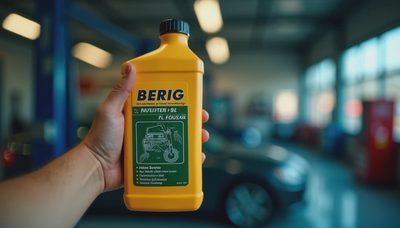
If you are comparing products, read the approval language rather than the front-label promises. Look for the exact OEM specification, viscosity information where provided, and compatibility with the transmission design. Brand loyalty is not a substitute for chemistry. In lubrication work, the friction modifier package and viscosity behavior matter more than a dramatic bottle claim.
When a Professional Inspection Makes Sense
Learning how to check transmission fluid is useful, but it has limits. Arrange an inspection when the fluid is contaminated, the level drops repeatedly, the vehicle slips, or the transmission makes a new grinding or whining noise. A shop can pressure-test the system, inspect cooler lines, scan the control module, and check for debris in the pan. Those steps provide evidence that a casual top-off cannot.
Ask for the fluid specification and the reason for any recommended repair. A trustworthy technician should be able to explain whether the problem is a leak, incorrect level, worn clutch material, a valve-body issue, or an electrical fault. Requesting the old fluid or filter for inspection can also make the diagnosis more transparent.
If you remember one number from this post, make it this one: zero guesses. Guessing the fluid type, temperature, level, or service interval is how a simple maintenance task becomes a transmission failure. Read the service information, measure carefully, and treat unusual shifting as a diagnostic clue rather than an invitation to keep adding fluid. That is how to check transmission fluid with the same discipline used in a laboratory: control the conditions, record what you observe, and let the evidence guide the next step.




No letters yet — pray write the first.