You've probably heard that a failed brake light is just a cheap bulb replacement. Here's what the data actually shows: the repair can cost about $5 for a basic bulb, $150 or more for a damaged wiring harness, and several different parts can cause the same warning symptom. If you are asking how much does it cost to fix a brake light, start with the diagnosis rather than the price of the first part on the shelf.
A brake light problem is also a safety issue. The lamps tell drivers behind you that your vehicle is slowing, and a nonworking light can make a rear-end collision more likely. In some locations, driving with defective required lighting can also lead to a traffic citation. The good news is that many failures are simple to inspect and repair.
Typical brake light repair costs
The most common repair is a burned-out incandescent bulb. A replacement usually costs $5 to $20, while a mechanic may charge $40 to $100 including labor. Many modern vehicles use LED assemblies instead of replaceable bulbs. An LED unit can cost $80 to $300, with labor bringing the total closer to $150 to $450 depending on the vehicle.
A blown fuse is inexpensive, often costing less than $10 for the part. However, a fuse usually fails because of an electrical overload or short circuit. Replacing it without finding the cause can make the new fuse fail again. A brake light switch near the brake pedal commonly costs $20 to $80, with total shop pricing around $80 to $200.
The socket is another common failure point. Heat, moisture, and corrosion can damage the contacts, especially where a bulb has been installed incorrectly. A socket may cost $10 to $50, and a professional repair often lands between $75 and $180. Wiring damage, a failed body control module, or a complete tail lamp assembly can push the bill above $300.
How much does it cost to fix a brake light when diagnosis is needed?
Diagnosis changes the answer because a brake light that stays off is not necessarily a bulb problem. If one lamp is dark while the other works, the bulb, socket, or local wiring is a reasonable starting point. If both brake lights fail at once, look more closely at the fuse, brake pedal switch, ground connection, or control circuit.
A shop may charge a diagnostic fee of $50 to $150 before completing the repair. Some facilities waive that fee when they perform the work. Independent repair shops often have lower labor rates than dealerships, while a dealership may be more familiar with complicated LED lighting systems and manufacturer-specific electronics.
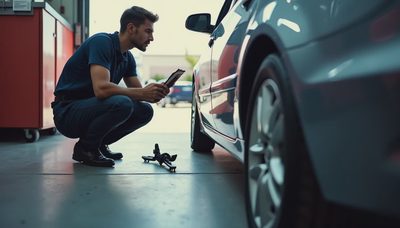
You can perform a useful first check without specialized equipment. Ask another person to press the brake pedal while you observe the rear lamps. Check whether the center high-mounted brake light works. If the center lamp works but both lower lamps are dark, inspect the rear bulbs, sockets, and shared wiring. If none of the brake lamps work, check the fuse and switch before buying multiple bulbs.
Science Corner: a brake light circuit needs a complete electrical path. Power must pass through the fuse, switch, wiring, lamp, and ground before returning to the battery. Corrosion increases electrical resistance, which can create dim lighting, heat, or intermittent operation. A voltage test and a test light can reveal a bad connection that looks normal from the outside.
DIY inspection and repair steps
Before opening a lamp housing, park on level ground, switch off the ignition, and set the parking brake. Have someone confirm the symptom. Consult the owner manual for bulb access, because some cars require removing a trunk liner, interior panel, or several fasteners. Do not force a plastic housing; brittle tabs can turn a five-minute job into a replacement assembly.
Remove the bulb and inspect the filament, glass, and metal contacts. A broken filament confirms a failed incandescent bulb, but a good-looking bulb does not prove the circuit is healthy. Look for green or white corrosion, melted plastic, loose terminals, and water inside the housing. Use the correct bulb number and match the original single-filament or dual-filament design.
If a new bulb fails immediately, stop replacing bulbs. The circuit may have a short, an incorrectly installed socket, or water intrusion. A multimeter can check for voltage at the socket while the pedal is pressed, but keep probes away from terminals that could be bridged accidentally. Disconnect the battery before repairing damaged wiring, and do not bypass a fuse with foil or a larger fuse rating.
What changes the final repair bill?
Vehicle design is the largest variable. A compact sedan with an accessible bulb may take ten minutes, while a crossover with a sealed LED tail lamp can require panel removal and a costly assembly. Labor rates also differ. A rural shop might charge $80 per hour, while a metropolitan dealership may exceed $170 per hour.
The type of lamp matters as well. Replaceable bulbs are usually economical, but LED systems often integrate multiple diodes, resistors, and control electronics into one sealed unit. When one diode fails, the manufacturer may require replacement of the entire lamp rather than an individual light source. That is why asking how much does it cost to fix a brake light without naming the vehicle produces only a range.
Insurance generally does not pay for ordinary wear, a burned-out bulb, or a failed switch. Comprehensive coverage is designed for covered events such as theft, vandalism, hail, or certain non-collision damage, subject to the policy deductible. If a crash damaged the lamp, collision coverage or the other driver's liability coverage could apply, depending on fault and policy details. A $500 deductible would usually make a small lamp repair an out-of-pocket expense.
How much does it cost to fix a brake light at a shop?
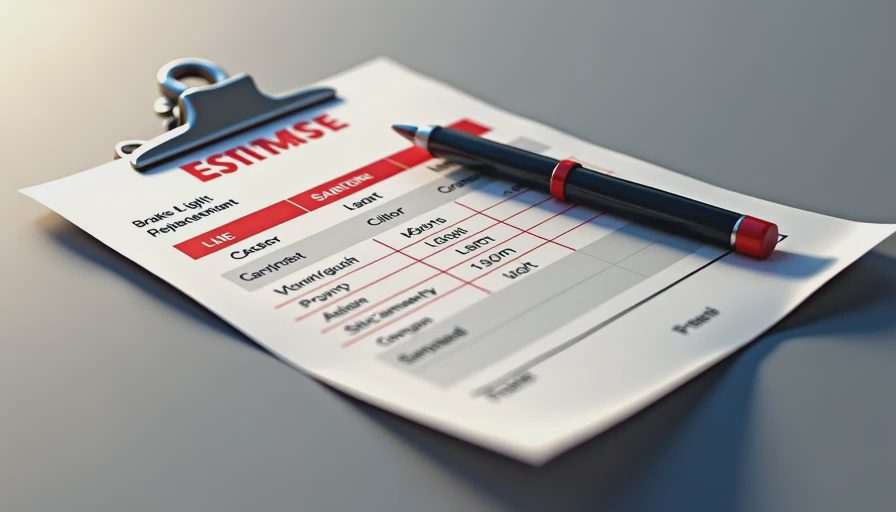
For a straightforward bulb replacement, expect roughly $40 to $100 at a repair shop. A switch, socket, or minor wiring repair commonly falls between $80 and $250. A complete LED tail lamp, advanced diagnostic procedure, or harness repair can range from $250 to $600 or more. Request an itemized estimate showing parts, labor hours, diagnostic charges, and shop fees.
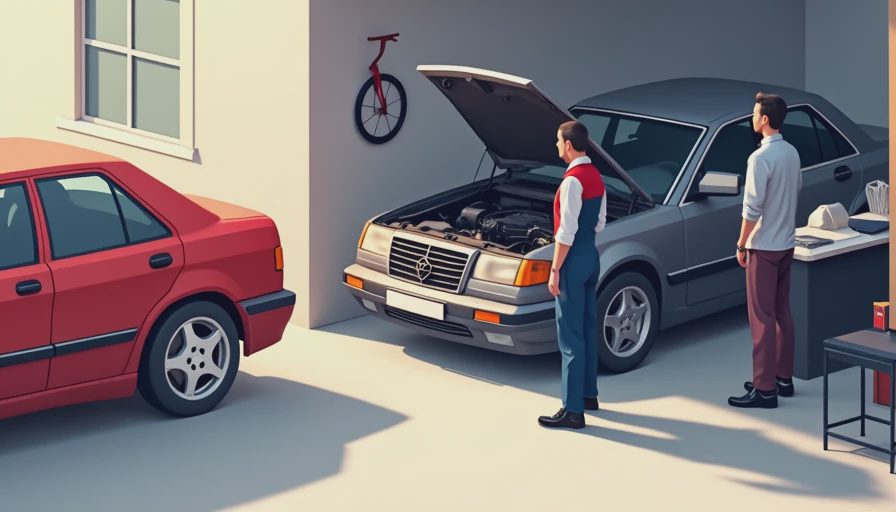
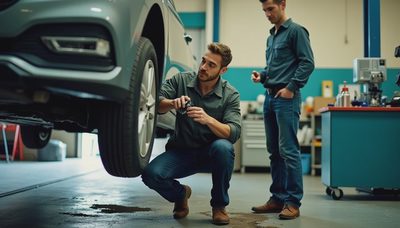
Before approving work, ask whether the estimate covers one lamp or the full left-and-right lighting circuit. Ask the technician to explain the failed part and whether the other socket or wiring shows heat damage. A credible shop should be able to demonstrate the problem with a visual inspection or electrical test rather than simply installing parts until the light works.
After the repair, test the brake lights, turn signals, tail lamps, reverse lights, and hazard flashers. Check again at night or against a garage door to compare brightness. If the light flickers over bumps, returns after rain, or works only when the pedal is pressed hard, the underlying connection may still need attention.
A sensible way to control the cost
If you are still wondering how much does it cost to fix a brake light, use the symptom to narrow the estimate. One dark lamp usually points toward a bulb or socket. Both lower lamps failing suggests a shared fuse, switch, ground, or wiring issue. A warning message with functioning lamps may indicate a monitoring system or LED module rather than a simple bulb.
Read the vehicle manual, inspect before purchasing parts, and compare the part number with the original. Do not choose a brighter bulb with a higher wattage unless the manufacturer specifies it; extra heat can damage the socket and housing. Read the specification, not the package marketing. A correct, properly installed repair is safer and often cheaper than repeating the same failed shortcut.
A brake light repair is frequently minor, but ignoring it is not. Handle the easy bulb or fuse checks yourself when you are comfortable, and use a qualified technician for wiring, control modules, or sealed LED assemblies. That approach gives you a realistic answer, protects the rest of the electrical system, and keeps your vehicle visible when you need to stop.
No letters yet — pray write the first.